How 12-step rehab supports lasting recovery in Albuquerque
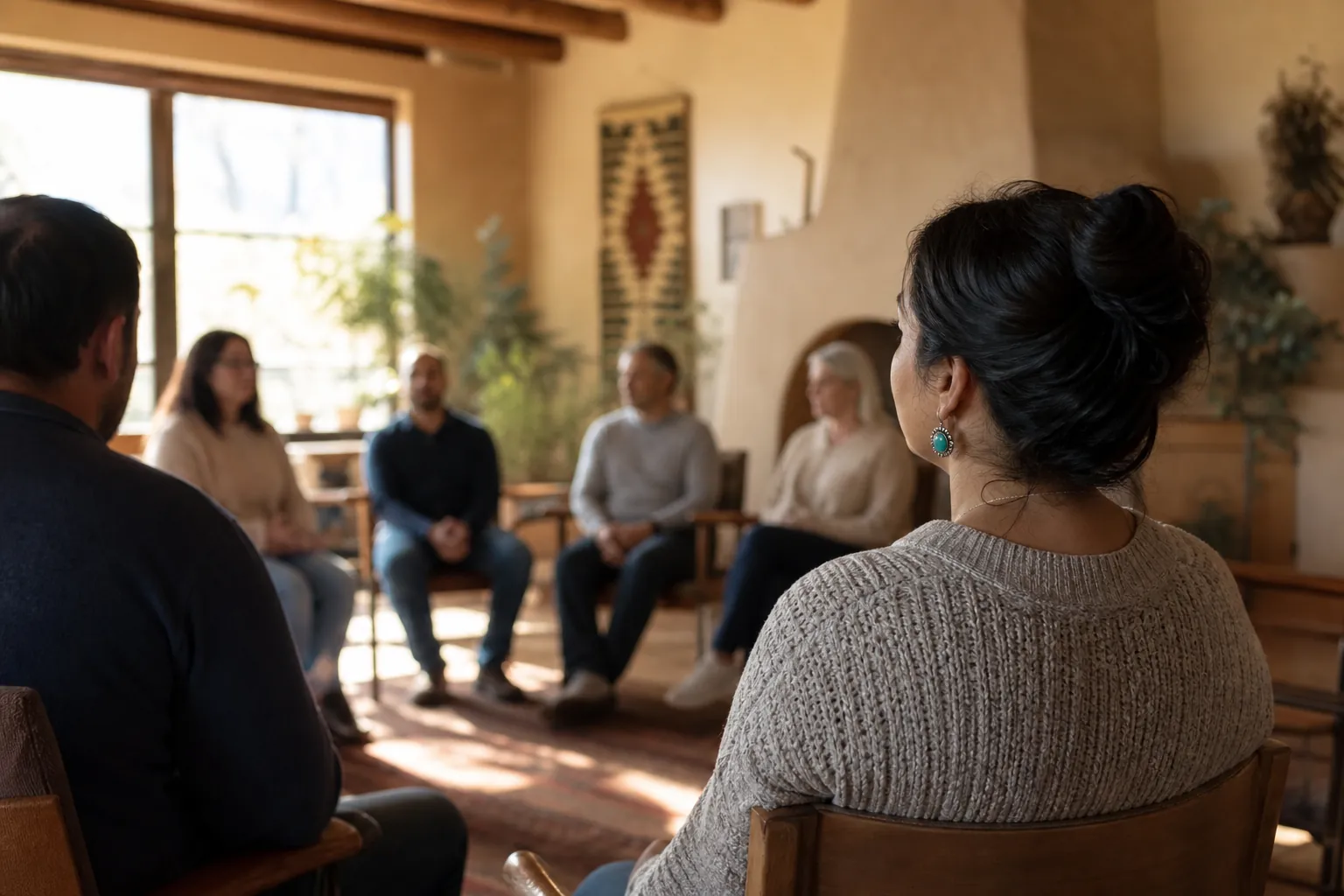
Recovery from substance use disorder often becomes more manageable when it includes structure, connection, and practical guidance. For many people in New Mexico, a 12-step approach provides those elements while encouraging personal responsibility and support from others who understand the recovery process.
Choice Recovery Path helps individuals and families learn about treatment options that fit their needs. If you are considering 12 step rehab Albuquerque services, it is helpful to understand how the model works, what clinical care may include, and how to evaluate a program before making a decision.
What a 12-step approach involves
The 12-step model originated as a peer-based pathway for addressing alcohol addiction and has since been adapted for many substance-related concerns. Its principles generally focus on honest self-examination, accountability, making amends when appropriate, helping others, and maintaining an ongoing commitment to recovery.
Spirituality may be part of the process, but it is not necessarily tied to a specific religion. Many programs invite participants to define a higher power in a way that reflects their own beliefs. If that language does not feel comfortable, ask how the program accommodates different cultural, spiritual, or secular perspectives.
Meetings typically give participants an opportunity to listen, share experiences, and develop supportive relationships. Sponsorship may also be encouraged. A sponsor is usually a person with sustained recovery experience who offers peer guidance through the steps. Sponsors do not replace licensed counselors, physicians, or emergency services.

How rehab and peer meetings work together
Rehab is more comprehensive than attending community meetings alone. A quality treatment program begins with an assessment of substance use, physical health, mental health, living conditions, family dynamics, and previous treatment experiences. The results help clinicians recommend an appropriate level of care.
Depending on individual needs, treatment may include medically supervised withdrawal management, residential care, partial hospitalization, intensive outpatient treatment, or standard outpatient counseling. Some people move through several levels as their needs and stability change.
Within treatment, 12-step principles can complement evidence-based services such as individual therapy, group counseling, relapse prevention education, and medication when clinically appropriate. Community meetings can then extend support beyond scheduled clinical sessions. This combination gives participants professional care while helping them build relationships that may continue after formal treatment ends.
Not every person responds to the same recovery framework. Some may prefer a secular mutual-help group or another peer-support model. A person-centered provider should explain available options rather than suggesting that one pathway works for everyone.
Services to look for in Albuquerque treatment
When comparing programs in Albuquerque or elsewhere in New Mexico, focus on the quality and scope of care rather than amenities alone. Substance use can affect nearly every part of life, so treatment should address more than immediate abstinence.
Useful services and program features may include:
- Individualized assessment: Recommendations should reflect the substances used, withdrawal risk, health history, goals, and home environment.
- Licensed clinical care: Ask which professionals provide counseling, medical oversight, medication management, and case coordination.
- Co-occurring disorder support: Integrated treatment can address concerns such as anxiety, depression, trauma, or other mental health conditions.
- Medication options: FDA-approved medications may help some people with opioid or alcohol use disorders and should not be stigmatized.
- Relapse prevention planning: Participants should learn to recognize triggers, respond to cravings, and create plans for high-risk situations.
- Family education: Loved ones may benefit from guidance on communication, boundaries, and supportive behavior.
- Peer-support access: Programs should help participants explore suitable meetings, sponsorship, and recovery communities.
- Continuing care: Discharge planning may include therapy, medical appointments, housing resources, alumni support, and local meetings.
Accessibility matters as well. Ask about scheduling, transportation, language access, insurance verification, payment options, and accommodations. Albuquerque residents may also want to know whether a program can connect them with resources near their neighborhood or in surrounding New Mexico communities.
Questions to ask before enrolling
A brief phone conversation can reveal a great deal about a provider. Reputable programs should answer questions clearly, protect your privacy, and avoid pressuring you into an immediate commitment. Be cautious of guaranteed outcomes, vague descriptions of clinical services, or promises that treatment will be effortless.
Ask whether the program is licensed or accredited, how assessments are completed, and which levels of care are offered. You can also ask how often individual counseling occurs, whether medical staff are available, and how the team responds to co-occurring mental health symptoms.
If you want a 12-step foundation, ask how frequently meetings are incorporated and whether participants can attend community groups. Clarify whether step work is required, how spiritual differences are respected, and what alternatives are available. It is also reasonable to ask how the provider measures progress and handles a return to substance use.
Before admission, request an explanation of estimated costs, insurance benefits, and potential out-of-pocket expenses. Coverage depends on the plan, medical necessity, provider network, and recommended level of care. Verification is not the same as a guarantee of payment, so seek written details when possible.
Building recovery after structured treatment
Completing a program is an important milestone, but recovery continues afterward. A strong continuing-care plan identifies practical actions for the first days and weeks after discharge. That may include attending meetings, meeting with a sponsor, continuing therapy, taking medications as prescribed, and scheduling primary or behavioral health care.
Daily routines can also protect progress. Consistent sleep, regular meals, movement, and manageable responsibilities can reduce stress and create stability. People in early recovery may need to avoid certain places, contacts, or events while they strengthen coping skills and supportive relationships.
A setback does not erase previous progress, but it can increase overdose risk, especially after tolerance has decreased. Plans should include emergency contacts, overdose education, and naloxone access when opioids may be involved. Call 911 for a suspected overdose or immediate medical danger.
Take a thoughtful next step
Choosing treatment is personal, and you do not need to have every answer before asking for help. Learning about available care can clarify whether a 12-step setting, another peer model, or a blended approach fits your preferences and clinical needs.
Choice Recovery Path can help you consider appropriate recovery resources in Albuquerque and across New Mexico. For a calm, confidential conversation about possible next steps, call (505) 526-3649.
Call (505) 526-3649 to talk through next steps.