01Begin
Early Recovery Skills
Notice triggers, thoughts, feelings, behaviors, and the expectations that can shape early recovery.
Explore early recovery skillsTools for the days between
Recovery can touch routines, work, money, relationships, movement, community, and the way a person responds to a hard moment. You do not have to know which tool you need before you call. The Choice team can help you see the next step.
Begin without solving every barrier
Use the official admissions form or call the Choice location nearest you. Staff can verify Medicaid coverage and eligibility, learn about your needs, and coordinate available transportation.
Choice serves adults who use Medicaid and provides transportation. Those facts do not mean every plan, person, route, pickup, or admission is automatically covered or available. Staff verify the details for your situation and explain the next step.
The Albuquerque office is at 11401 Menaul Blvd. NE and can be reached at 505-526-3649. The Las Cruces office is at 715 East Idaho, Building #4, Units A and B and can be reached at 505-584-0505.
A useful place to return
Recovery tools can turn a broad goal into something clear enough to practice. Use the intensive outpatient program in Albuquerque, NM to learn how the care is set up, then return to this recovery resource hub for skills, life plans, mindful practice, community links, and aftercare ideas.
Choice Recovery Path offers support beyond set visits. Early Recovery Skills, Life in Recovery, Journey Inward and yoga, community activities, Recovery Masterclass, peer support, toolkit books, a progress board, e-learning, software, training, and guides can each give you a place to begin.
No single tool works the same way for everyone. Begin with one practical area: notice a trigger, rebuild a routine, practice staying present, connect with peer support, or continue with aftercare.
Notice triggers, thoughts, feelings, behaviors, and the expectations that can shape early recovery.
Explore early recovery skillsWork on parts of life affected by addiction, including goals, money, hard moments, routines, and self-respect.
Explore life skillsConnect presence, body care, emotional flexibility, mindfulness, calm, and resilience through a grounded practice.
Explore Journey InwardKeep building personal growth, relationships, and community as you move beyond the structure of IOP.
Explore aftercareBegin with awareness
Early recovery skills can help you notice inner and outer triggers, know what to expect, and connect thoughts, feelings, actions, and choices. The Choice IOP structure puts those signs into a care plan, while designing a life in recovery shows how small details can shape routines outside sessions.
Look at the setting, the people present, body signs, feelings, and the thought that felt most strong. The goal is to learn, not blame yourself.
A pattern becomes easier to discuss when it is described clearly. Naming it can create a pause between an automatic response and another choice.
A manageable action might involve leaving a setting, contacting support, changing a routine, using a practiced skill, or asking for help sooner.
Early Recovery Skills can give you clear building blocks for the start of recovery. You can learn to spot triggers, know what early recovery may feel like, and notice how thoughts, feelings, and actions shape a hard moment. Ask the team how you can practice these skills in the current program.

Rebuild the ordinary parts
Life skills belong in recovery support because substance use can affect far more than one action. The guide to building steady routines in recovery turns those needs into daily practice, while the Albuquerque, NM site page keeps the path back to local Choice support easy to find.
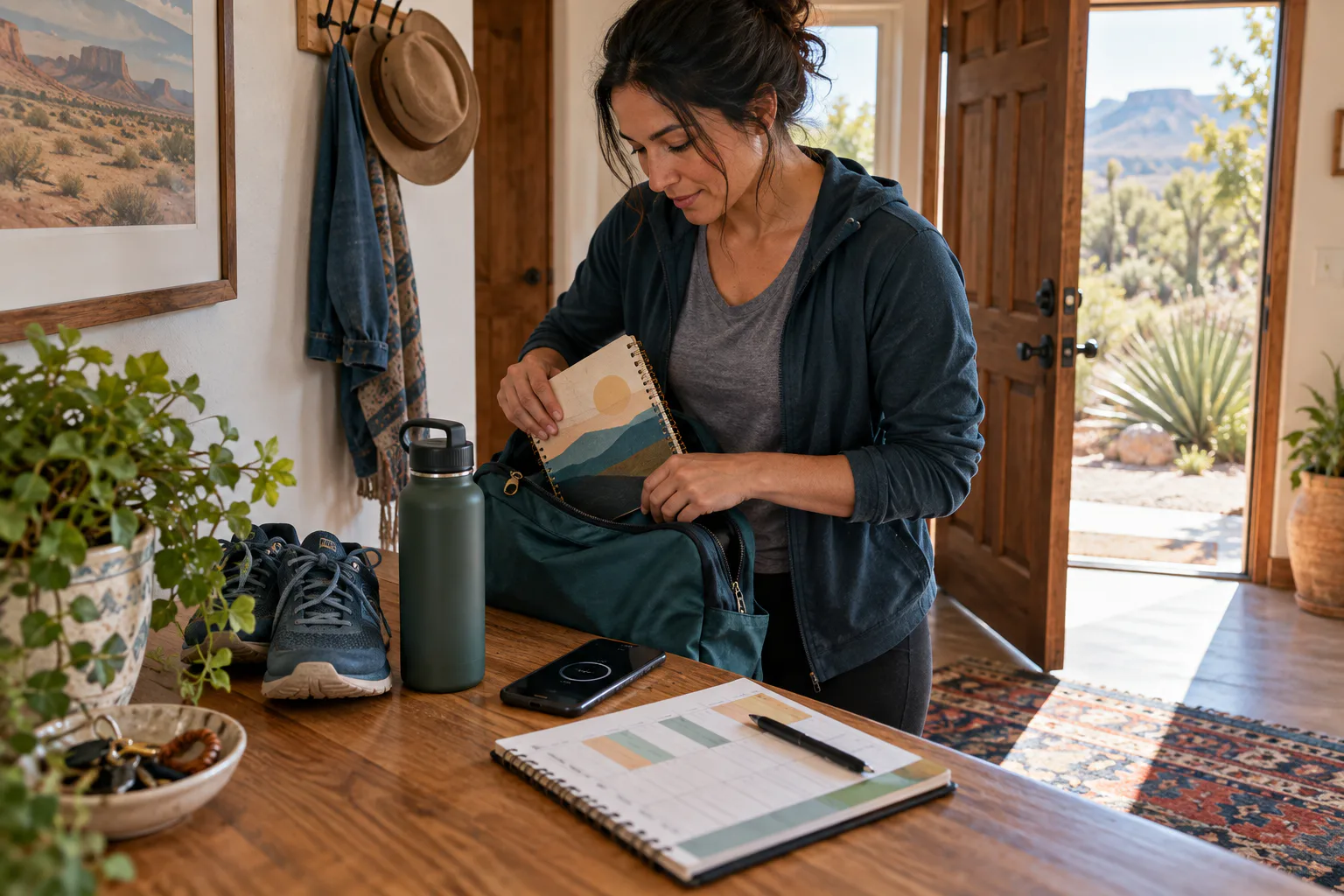
A budget can be a recovery tool when it makes needs, choices, and consequences visible. A calendar can be a recovery tool when it protects time for support and rest. A small goal can be a recovery tool when it creates something steady to work toward. These are ordinary actions, but ordinary actions are where a new life is built.
Choice says Life in Recovery helps with parts of life affected by addiction. That may include money, goals, hard moments, and self-respect. Each topic can become a clear talk, worksheet, or next action instead of staying a broad idea.
Practice being present
Journey Inward and yoga can help you stay present, care for your body, sit with feelings, and build room for change. The early recovery skills section can help you spot what is going on, while the individual therapy pathway gives you a place to connect those signs with your goals.
Mindfulness can sound like a broad promise. A helpful step is smaller: notice where your body is tense, feel both feet on the floor, slow the next breath, or stay with a feeling long enough to name it before you act. The skill grows with practice.
Yoga can bring together presence, care for your body, and the ability to sit with difficult emotions. Journey Inward focuses on emotional flexibility and using mindfulness to find calm and resilience. These practices can complement, but do not replace, therapy or medical care.
Daily-life support beyond the program
Choice names help with housing, school, volunteer work, exercise, jobs, credit, money skills, and referrals for a higher level of care. The Albuquerque, NM site provides the local anchor, while peer support in Albuquerque, NM offers a place to ask for help with change and new choices.
Choice says peer staff walk with clients through change and help them make their own choices. Ask the team which local tools may fit the need in front of you.
Choice names these types of help but does not post a full care list, rules about who can take part, funding details, or current openings. Call the team for guidance instead of relying on an old or incomplete list.
Products and repeatable practice
A recovery tool can give you a prompt, a place to record progress, or a set way to revisit a skill. The Choice IOP overview keeps those tools tied to the listed program, while the Designing a Life in Recovery guide shows how one clear idea can become part of daily life.
Choice lists these tools but does not post full features, prices, access rules, or likely results. Ask the team which tools are open to you and how they relate to the program before making plans around them.
Continue after greater structure
Recovery Masterclass is an outpatient group for people further along in recovery, often after IOP. The IOP program overview shows the more structured starting point, while the Choice admissions path lets you begin and learn how aftercare may support your growth, relationships, daily life, and community.
Aftercare can help you stay thoughtful and connected when a more intense level of care ends. Choice says Recovery Masterclass can ease the move into daily life while supporting recovery, growth, close bonds, and community.
Choice has not posted a fixed length, schedule, or rule for who can join this group. Not every IOP client will follow the same path. Ask the team how taking part works now and whether aftercare may be right for you.
SAMHSA's treatment-options overview and quality-treatment resource offer basic background. Choice can confirm which tools, groups, resources, and aftercare options are open now.
Bring the tools back to a talk
Review the current IOP overview or start with Choice admissions. Staff can connect relevant skills, peer support, daily-life resources, community activities, and aftercare with your needs.
