
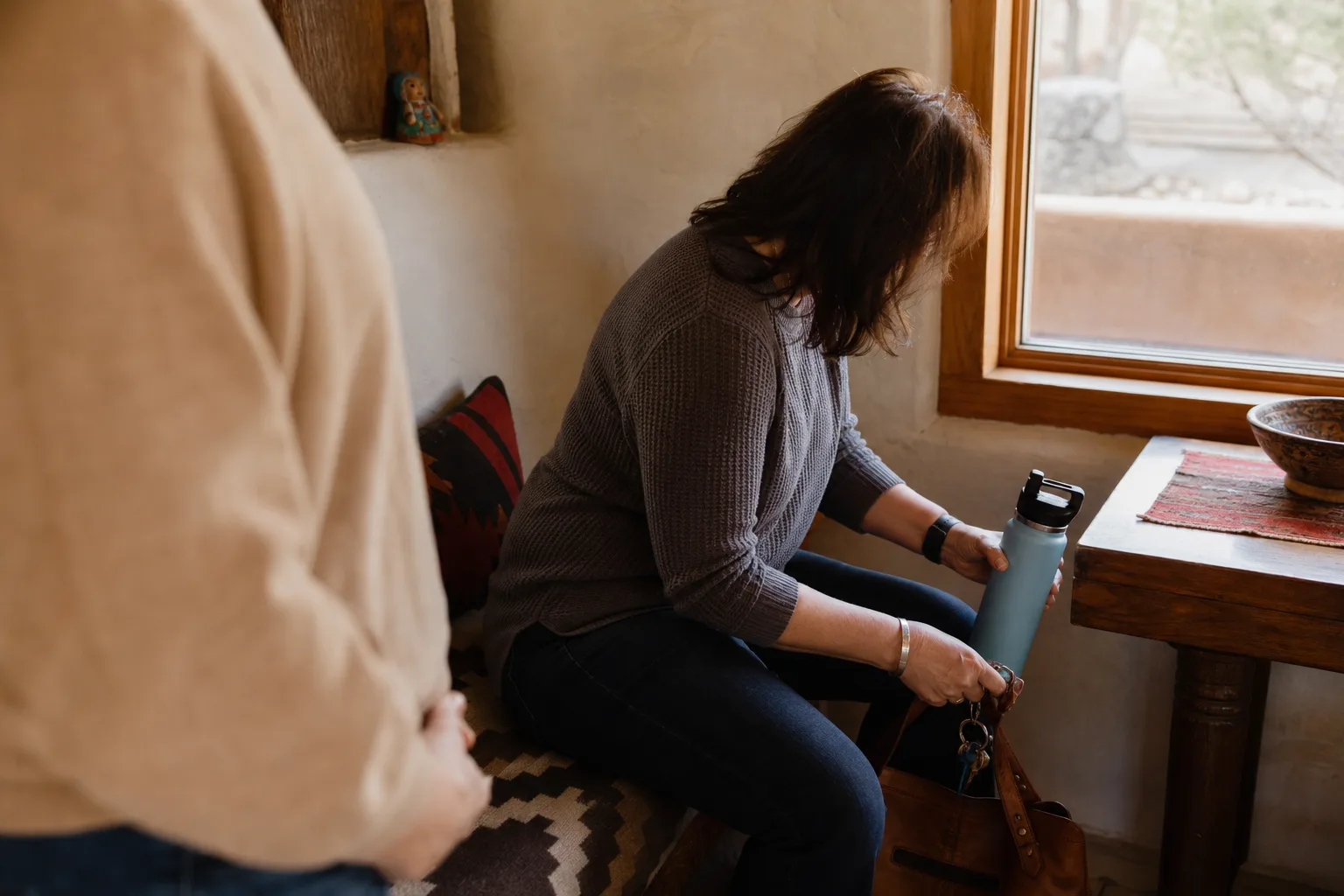
CBT exposure for avoidance is a gradual, planned way to face situations that feel hard instead of staying stuck in escape or delay. In addiction treatment, avoidance can show up as missing appointments, putting off calls, skipping recovery activities, or avoiding everyday responsibilities that support sobriety. At Choice Recovery Path’s outpatient program and IOP in Albuquerque, you can ask the admissions or clinical team whether CBT exposure for avoidance is part of your care plan or whether another referral may fit your needs. The goal is to build confidence step by step with support, not to push anyone into overwhelming situations.
What does avoidance look like in recovery?
Avoidance can look quiet from the outside. A person may say they are “too tired” to go to a support meeting, put off a doctor visit, skip work because the day feels too heavy, or stay home instead of seeing sober friends. Sometimes this starts as a way to get through a stressful moment. Over time, though, avoidance can shrink daily life and make recovery feel more fragile. Ask about the Choice intensive outpatient program (IOP) and outpatient addiction treatment in Albuquerque.
When substance use and anxiety show up together, avoidance can become even more confusing. A person may want to stay sober and still feel strong fear about being around people, leaving the house, driving across town, or walking into an office. That does not mean they are lazy or not trying. It may mean fear is steering the day. CBT exposure for avoidance is one way clinicians may help people face those fears slowly and safely.
- Missing work shifts or leaving early because panic rises
- Putting off counseling, medical, or court appointments
- Avoiding calls, texts, or emails connected to responsibilities
- Saying no to sober plans because being around others feels overwhelming
- Staying in routines that feel safe but very limited
How can CBT exposure for avoidance help without pushing too hard?
CBT exposure for avoidance is usually not about jumping into the hardest thing first. It often starts with noticing the cycle: fear rises, the person avoids, relief comes for a short time, and then the fear grows stronger next time. A clinician may help the person name that pattern and choose one small step that feels challenging but doable. The point is to learn, through experience, that fear can rise and then settle without needing to escape.
This approach is often gradual and collaborative. Someone might practice driving to the parking lot before going inside an appointment, or spend ten minutes at a sober activity before staying longer another day. Small wins matter. The person is not being judged for feeling anxious. They are learning how to stay present long enough to gather new evidence. In a program for substance use with co-occurring mental health concerns, this kind of practice may be one part of a larger care plan.
- Start with a specific situation, not every fear at once
- Choose steps from easier to harder
- Practice often enough that the step becomes more familiar
- Notice what happens to anxiety before, during, and after
- Review what helped and adjust the next step
Addiction Treatment and IOP at Choice Recovery Path
Choice Recovery Path offers addiction treatment in Albuquerque, New Mexico for adults who want structured support while living at home. Its intensive outpatient program (IOP) in Albuquerque brings weekly group and individual therapy, early recovery skills, and practical tools for change into daily life.
- What IOP looks like: regular group work and one-to-one therapy, with peer support, life skills, medical provider support and medication-assisted treatment that may be part of care.
- Who it is for: adults who need more structure than standard outpatient care, people stepping down from inpatient or residential treatment, and people starting care in the community.
- Schedule: sessions fit around work and home life. Call for the current IOP schedule, program length and openings.
Call (505) 526-3649, verify your insurance, or start admissions to ask whether IOP or outpatient addiction treatment fits your needs.
For the full overview, start with CBT For Anxiety In Recovery. Related reading: CBT For Generalized Anxiety In Sobriety, CBT For Social Anxiety Before Recovery Groups.
What kinds of everyday situations might be used for gradual exposure?
Many exposures in recovery are tied to ordinary tasks, not dramatic events. The focus is often on places or situations a person has been avoiding because they trigger anxiety, shame, or strong urges to escape. A plan should match the person’s real life. If work, parenting, probation requirements, or medical care are the main stress points, those areas may shape the practice steps more than anything else.
It also helps to remember that gradual exposure is not the same as being thrown into danger. A good plan takes safety, substance use triggers, and the person’s current stability seriously. For some people, the first step may happen at home by getting dressed, sitting with discomfort, or making one phone call. For others, it may involve a short visit to a community space with support nearby. If a person feels at risk of harming themselves or someone else, or is in immediate danger, call 911. For a mental health or substance use crisis, call or text 988.
- Walking into a workplace for a brief check-in
- Driving to a counseling, medical, or legal appointment
- Attending part of a recovery meeting or sober event
- Making a phone call that has been avoided for days
- Going to a grocery store at a quieter time of day
| Avoided situation | Possible first step | Possible next step |
|---|---|---|
| Work shift feels overwhelming | Drive to the workplace parking lot and stay 5 to 10 minutes | Go inside, greet one person, and leave if the plan allows |
| Appointment causes panic | Confirm the appointment and plan the route | Arrive early, sit in the waiting room, and check in |
| Sober activity feels too social | Attend with a trusted person for a short time | Stay longer and speak with one new person |
| Phone calls are avoided | Write a short script and rehearse it | Make one call and remain present until it ends |
How do families support progress without taking over?
Families often want to protect the person they love from stress. That care comes from a good place, but rescuing can sometimes feed avoidance without meaning to. For example, a family member may keep calling an employer, canceling appointments, or making excuses so the person does not have to face discomfort. Over time, that can send the message that anxiety is too big to handle. Support works best when it is warm, calm, and respectful of the person’s own effort.
Helpful family support usually means encouragement with clear limits. A loved one can offer a ride, sit quietly in a waiting room, or check in after a planned step. They do not have to argue the person out of fear. It is often more useful to say, “I know this is hard, and I believe you can practice the next step.” If your family is exploring care through Choice Recovery Path, you can ask the admissions or clinical team how families may be involved and whether a specific service is available or whether another referral would make sense.
- Praise effort, not perfection
- Avoid making promises you cannot keep
- Help with planning, but let the person do the step when possible
- Keep routines steady around sleep, meals, and transportation
- Know emergency options such as 911 and 988 if safety becomes a concern
When should someone ask for more help with anxiety and substance use?
It may be time to ask for help when avoidance starts running the day. Signs can include repeated missed appointments, trouble keeping work or school responsibilities, isolation from safe people, or using alcohol or drugs to get through fear. Because mental health conditions can occur along with substance use, a full conversation with a licensed clinician matters. The goal is not to label yourself. The goal is to understand what is happening and what kind of support may fit.
Outpatient care or an intensive outpatient program may help some people build structure while they keep up with parts of daily life. Treatment plans vary by person, and not every approach is right for everyone. If you are calling Choice Recovery Path in Albuquerque or Las Cruces, you can ask what services are currently available, how co-occurring substance use and anxiety concerns are addressed, and whether another referral may be a better fit. For immediate danger call 911, and for urgent emotional distress or a substance use crisis, call or text 988.
- You keep avoiding work, school, or parenting duties
- You use substances before or after feared situations
- Panic, dread, or shame keeps you from appointments
- Your world is getting smaller week by week
- Family conflict is growing around missed responsibilities
Ready to talk through next steps? Call Choice Recovery Path at (505) 526-3649 or explore IOP at Choice Recovery Path and Choice addiction treatment services.
Frequently Asked Questions
Is exposure the same as being forced into scary situations?
No. In treatment, exposure is usually planned and gradual. The idea is to take manageable steps with support, not to overwhelm someone or ignore safety.
Can this approach help if I avoid sober activities because I feel ashamed or awkward?
It may. Some people practice short visits, going with a trusted person, or staying just long enough to notice that discomfort can rise and fall. A clinician can help decide whether that kind of plan fits your situation.
What if work is the main place I avoid?
Work is a common trigger when anxiety and substance use problems overlap. A gradual plan might start before the full shift, such as driving there, going inside briefly, or talking with one supervisor, depending on what is realistic and safe.
Do I need a formal diagnosis before talking about avoidance in treatment?
No. You can describe what is happening in daily life, such as missed appointments, staying home, or using substances to cope with fear. A licensed clinician can assess your concerns and help guide next steps.
How can IOP help when avoidance is getting in the way of recovery?
IOP can provide consistent structure through weekly group and individual therapy, peer support, early recovery skill-building, and planning for real-life challenges. If avoidance is making it harder to attend appointments, follow through on goals, or re-engage with daily responsibilities, you can ask whether this topic can be addressed in your care plan or whether another referral would be a better fit.
How does addiction treatment address avoidance behaviors?
Addiction treatment may look at how avoidance affects sobriety, mental health, relationships, and daily functioning. At Choice Recovery Path, support can include weekly therapy, peer support, life skills, medical provider support and medication-assisted treatment, and aftercare planning; you can ask whether CBT exposure for avoidance is part of your care or whether a referral fits your needs.
Sources
- National Institute of Mental Health (NIH): www.nimh.nih.gov/health/topics/anxiety-disorders
- National Institute of Mental Health (NIH): www.nimh.nih.gov/health/topics/psychotherapies
- National Institute on Drug Abuse (NIH): nida.nih.gov/research-topics/comorbidity
- SAMHSA: www.samhsa.gov/mental-health/988
Call (505) 526-3649 to talk through next steps.