
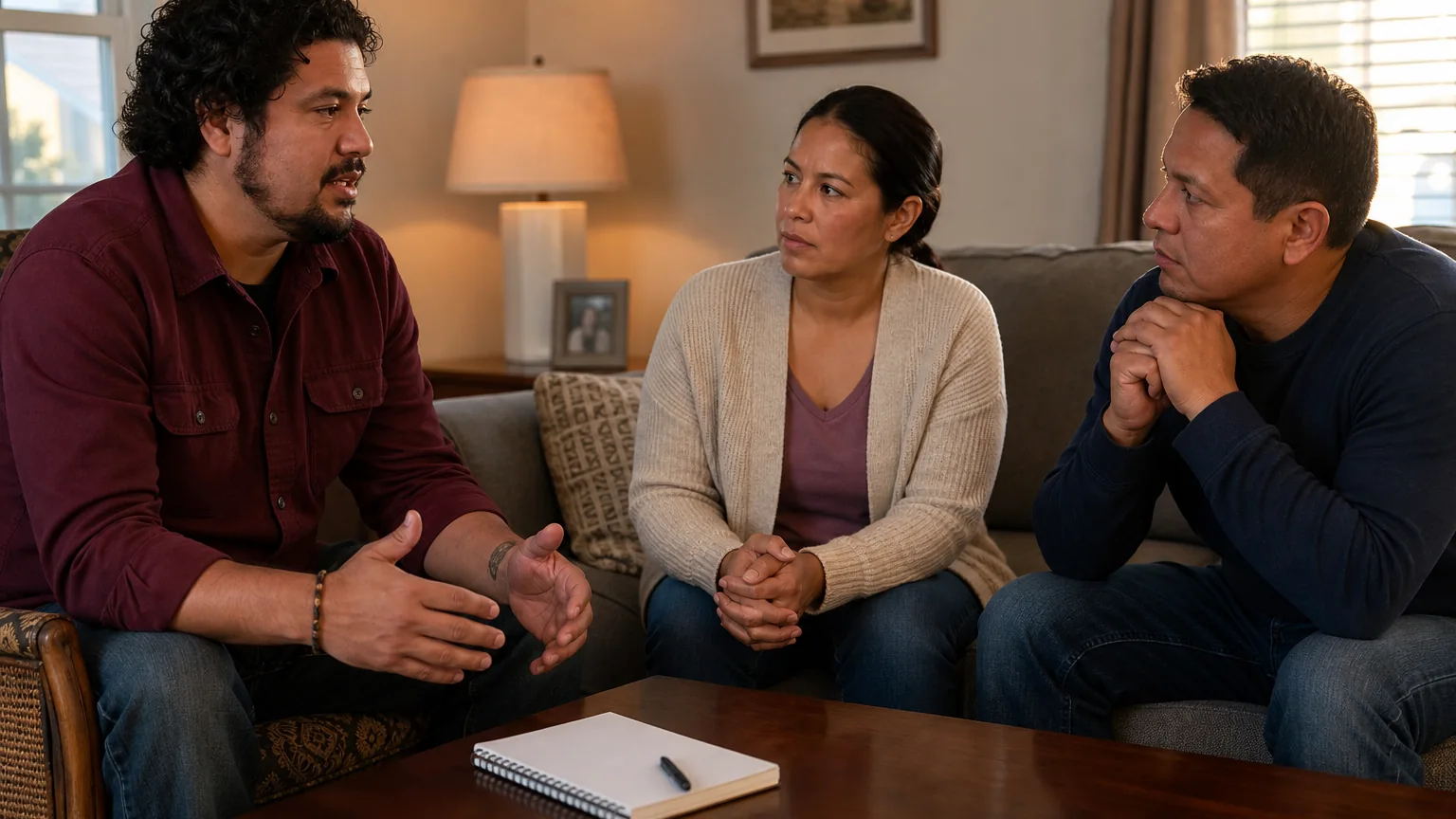
Family plans alongside outpatient care work best when the adult receiving care helps shape the timing, activity, and boundaries. In Las Cruces, families can keep outings flexible while making room for treatment and rest. A shared plan can support connection without making every activity about recovery.
How can families make family plans alongside outpatient care in Las Cruces?
Families can plan community activities by first checking what the adult receiving care wants and what fits the day. Keep plans flexible, and make it easy to leave early or skip an event. The family guide to community activity planning and ways to discuss activity plans offer related planning ideas.
Start with an ordinary conversation, not a fixed schedule. Ask what kinds of outings sound pleasant, and let the person set the pace. A short visit may feel easier than a full day of events.
Outpatient care allows a person to receive services while living at home or in the community. Choice Recovery Path offers outpatient addiction care and an intensive outpatient program, or IOP, in Las Cruces and Albuquerque. The person and care team can discuss how treatment fits with daily life.
Families do not need to make every outing about recovery. A meal, local event, or visit with trusted people can be a shared activity. Keep the invitation simple, and let the person decide without pressure.
Plans may change as needs change. Treat a change as useful information, rather than a failure. The goal is to make room for both daily life and care, not to fill every open hour.
- The family can offer a few low-pressure options and let the adult choose.
- The person can set a time limit that feels manageable for the outing.
- A trusted family member can arrange a quiet way to leave early.
- The group can keep one simple backup plan if the event feels tiring.
What should families consider before choosing a community activity?
Families should consider the person's interest, energy, privacy, and ability to leave if plans feel uncomfortable. Ask before inviting others or sharing personal details. The activity plan comparison guide and family planning checklist can help families think through different options.
A good plan starts with what the person enjoys. Some people may want a busy group event, while others may prefer a quiet walk or a meal with a few relatives. Do not assume that one kind of outing suits everyone.
Think about the setting and the people who will be there. If an event includes alcohol or other substances, the person may want to avoid it or make a different plan. Let the adult decide what feels right, and do not treat a family member's guess as a clinical rule.
Consider practical details that can affect comfort. Travel time, noise, crowds, and how long the activity lasts may all matter. Ask what would help, and accept a short answer or a change of mind.
Privacy matters during community activities. A person can choose what to share about treatment, and with whom. Family members can help by not explaining the person's care to others without permission.
- The person can choose an activity that matches personal interests and energy.
- Family members can ask before sharing recovery details with other people.
- The group can check whether the setting feels comfortable to the person.
- Everyone can agree that plans may change without blame or debate.
How can families balance activities with outpatient care?
Families can balance activities with outpatient care by keeping treatment commitments in view and avoiding assumptions about a person's schedule. The adult and care team can discuss questions about fit. The guide to planning alongside recovery and reviewing activity plans together provide more context.
Outpatient care and IOP are different forms of care. IOP is a more structured outpatient service, while outpatient treatment can involve less time in services. The right level depends on an assessment and the person's needs, not on a family's activity calendar.
Do not guess at appointment times, attendance needs, or how a person will feel after care. The person can decide what to share, and can ask the care team about scheduling or activity concerns. Admissions can explain what services are offered and what details families should confirm.
A useful family plan can leave open space around care, work, rest, and other daily tasks. Avoid building an outing around a treatment detail unless the person has shared it. If the person wants support, ask what kind would help.
If the family is unsure how an outing may fit, keep it small and easy to change. A brief, nearby activity may be simpler to adjust than a large group event. The person can also choose to take part another day.
| Activity plan | Setting | Flexibility |
|---|---|---|
| Short family visit | Home or nearby place | Easy to shorten |
| Small community event | Shared public space | Can leave early |
| Large group event | Busy public space | May need more planning |
| One-to-one outing | Chosen by the person | Can change the time |
What can families do if an activity feels stressful?
If an activity feels stressful, families can pause, listen, and follow the person's lead about leaving or changing plans. Do not demand an explanation in front of others. The myth and fact guide to recovery activities and family planning questions list cover related concerns.
Stress can show up in different ways, and family members should not try to diagnose the cause. A person may want quiet, a shorter visit, or a change of setting. Listen without turning the moment into a debate.
Agreeing on a simple exit plan can make an outing feel less fixed. For example, the person may want a ride home or a brief break. Ask what they prefer before an event, but do not make a script or demand that they use it.
After the activity, ask whether the person wants to talk about what worked. Keep the conversation kind and brief. If they do not want to discuss it, respect that choice and avoid repeatedly asking for a reason.
A stressful event does not mean the person has failed at recovery. It may mean that the setting, timing, or group was not a good fit that day. Families can learn from the experience without assigning blame.
How can families support privacy and personal choice?
Families can support privacy by letting the adult decide what to share and by asking before making plans on their behalf. Respecting a person's choice helps keep activities voluntary. The guide to discussing activities and guide to reviewing plans together explore shared decision-making.
An adult receiving care keeps the right to make personal choices. Family members can offer help, but should not speak for the person without permission. That includes deciding who gets invited or telling guests about treatment.
Before an event, ask whether the person wants others to know anything about their care. They may want to share details, say very little, or keep treatment private. Family members should follow that preference.
Support does not require constant checking. One clear offer of help can be enough. If the person declines, accept the answer and leave room for them to ask later.
If a person wants family involved in care discussions, they can raise that with the care team. Family involvement should follow the person's wishes and the provider's process. Do not assume that being a relative gives access to private information.
How should families respond when plans need to change?
Families should respond to a changed plan with calm flexibility and without blame. Ask whether the person wants another option, a shorter visit, or no activity that day. The activity planning checklist and comparison of family activity plans can help set realistic expectations.
Plans can change for many reasons, including energy, care needs, transport, or a change in interest. Families do not need to know the reason before making a kind response. A simple, “We can change the plan,” can lower pressure.
Offer a small choice when the person wants one. They might prefer to go later, choose a quieter place, or stay home. Avoid presenting a long list of options when someone already feels strained.
Keep practical changes simple. Let guests know that plans have shifted without sharing private details. If the outing is canceled, the group can choose another day or leave the next step open.
Families should not use activities as a test of progress. Taking part in an event cannot show whether treatment is working. Questions about recovery or care belong in a conversation with the person and, when appropriate, the care team.
When should families seek more support than an activity plan?
Families should seek more support when the person asks for help or when a concern needs clinical guidance. A community outing is not a substitute for care. The family guide to outpatient recovery planning and guide to cost and coverage questions explain other planning topics.
Families can encourage the adult to speak with the care team about concerns that affect treatment or daily life. The team can explain its services and discuss what may fit. A family member should not change a person's care plan or make medical decisions based on an outing.
Choice Recovery Path offers outpatient addiction care and IOP. It does not provide onsite detox, residential treatment, or PHP. Those levels of care may be discussed as education or referral context, but families should confirm service details with admissions.
Alcohol, benzodiazepine, and opioid withdrawal can be dangerous. Anyone with concerns about withdrawal should seek medical supervision rather than trying to manage it through a family activity plan. If someone faces immediate danger, call 911; for suicidal thoughts or a mental health crisis, call or text 988.
For a non-urgent question about services, families can contact admissions and ask what the program offers. An assessment is separate from an admission decision. A benefits review also does not promise coverage or admission.
Questions about next steps? Call Choice Recovery Path at (505) 526-3649 or review the Choice intensive outpatient program.
Frequently Asked Questions
Should a family invite someone to an event without asking first?
It is usually more respectful to ask the adult before making plans in their name. An invitation can be offered without pressure, and the person can say yes, no, or maybe. Ask before inviting other people or sharing details about care. A person's treatment is private, and family members should follow the person's wishes.
What if relatives disagree about which activity is best?
The adult receiving care should guide choices about personal activities. Relatives can share concerns in a calm way, but a group vote should not replace the person's choice. If the disagreement involves treatment needs, the person can raise it with the care team. Families should not use an outing to settle a conflict about care.
Can taking part in community events show that recovery is going well?
No single event can show how recovery is going. A person may enjoy an outing while still facing challenges, or decline an event for many reasons. Families should avoid judging progress from attendance or mood at one activity. Questions about treatment belong with the person and the care team.
What if the person does not want family involved in treatment?
Families can respect that boundary and still offer everyday support. The person may want company, a ride, or no help at all. Family members should not seek private treatment details without permission. If the person later wants support with a care discussion, they can ask the provider how family involvement works.
Can an activity plan take the place of clinical support?
No. Community activities may support connection, but they do not replace outpatient treatment, IOP, or other care a clinician recommends. Families can make plans that fit daily life while encouraging the person to discuss care questions with the clinical team. Urgent danger calls for emergency help, not a change to an outing.
Sources
- Substance Use Treatment, SAMHSA
- Resources for Families, SAMHSA
- The ASAM Criteria, American Society of Addiction Medicine
Call (505) 526-3649 to talk through next steps.