
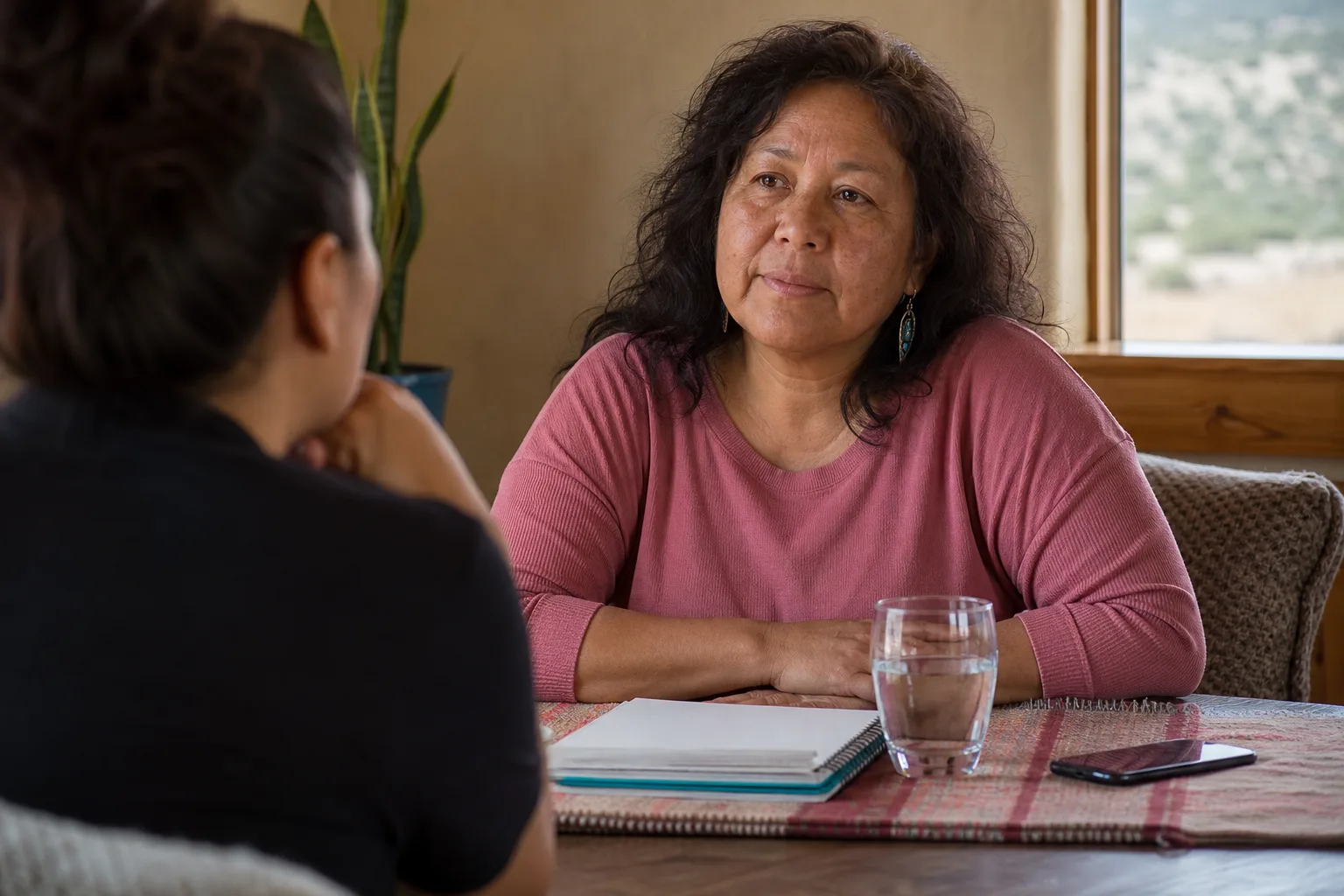
IOP after detox can provide structure when withdrawal has ended but daily recovery still feels unsteady. In outpatient addiction treatment, an intensive outpatient program can add consistent support, early recovery skills, peer connection, and individual and group therapy without requiring a hospital stay. For adults in Albuquerque, New Mexico, Choice Recovery Path’s IOP may be a next step to discuss after detox, depending on a person’s needs, symptoms, and recovery goals. People can call to ask about the schedule and whether IOP, medication support, or another level of care may fit their situation.
Why can motivation feel so shaky after detox?
Many people expect to feel fully ready for recovery once detox is over. In real life, the days right after detox can feel uncertain, emotional, and uneven. A person may feel relief that the worst physical withdrawal has passed, but also feel tired, doubtful, or tempted to go back to old habits. That does not mean treatment is failing. It often means the next layer of care is important, because recovery usually needs more than getting substances out of the body. Ask about the Choice intensive outpatient program (IOP) and outpatient addiction treatment in Albuquerque.
For adults and families in New Mexico, this is where outpatient addiction treatment can become part of a steadier plan. At Choice Recovery Path, an intensive outpatient program (IOP) in Albuquerque may help bridge the gap between detox and everyday life. Instead of relying on motivation alone, people can use a schedule, regular check-ins, and practical recovery work. When commitment feels fragile, structure can carry some of the weight until motivation becomes more consistent.
- Detox and long-term recovery are not the same thing.
- Low motivation after detox is common and does not mean a person does not care.
- Returning home can bring back stress, conflict, cravings, or easy access to substances.
- Outpatient addiction treatment can add support while a person relearns daily routines.
What does IOP after detox actually help with?
IOP after detox is often helpful because it gives recovery a place to land. Detox can stabilize the body, but many of the patterns around substance use are still active. A person may need help with cravings, sleep problems, mood changes, relationship stress, and planning for high-risk situations. IOP creates regular time to work on those issues while the person continues living at home, caring for family, or returning to work when appropriate.
In Albuquerque, IOP can also help people build a recovery routine before a crisis happens. Instead of waiting until they are close to using again, they have planned contact with a treatment team and peers. For some people, mental health concerns also matter. Substance use can occur alongside anxiety, depression, bipolar disorder, trauma-related concerns, or other mental health challenges. A clinical team can assess co-occurring needs and discuss whether services are available at Choice Recovery Path or whether a referral would be a better fit.
- Regular treatment sessions that create accountability
- A chance to talk through cravings and relapse warning signs
- Support with coping skills for stress, conflict, and triggers
- Planning for work, home, and family responsibilities
- Attention to co-occurring mental health concerns in the context of substance use
Addiction Treatment and IOP at Choice Recovery Path
Choice Recovery Path offers addiction treatment in Albuquerque, New Mexico for adults who want structured support while living at home. Its intensive outpatient program (IOP) in Albuquerque brings weekly group and individual therapy, early recovery skills, and practical tools for change into daily life.
- What IOP looks like: regular group work and one-to-one therapy, with peer support, life skills, medical provider support and medication-assisted treatment that may be part of care.
- Who it is for: adults who need more structure than standard outpatient care, people stepping down from inpatient or residential treatment, and people starting care in the community.
- Schedule: sessions fit around work and home life. Call for the current IOP schedule, program length and openings.
Call (505) 526-3649, verify your insurance, or start admissions to ask whether IOP or outpatient addiction treatment fits your needs.
For the full overview, start with Motivational Intervention For Substance Use. Related reading: Motivational Approach To Addiction Treatment Albuquerque, Choose Addiction Treatment For Someone Ambivalent.
How is IOP different from detox or standard outpatient care?
People often hear several treatment terms at once, and that can feel confusing when they are exhausted after detox. In simple terms, detox focuses on immediate safety during withdrawal. Standard outpatient care may involve fewer visits and can work well for some people later in recovery. IOP sits in the middle. It offers a stronger level of support than routine outpatient visits, but it does not require living at a treatment center. That can be useful when someone needs more help staying engaged.
For families, this middle step can make recovery feel more realistic. A person may not be ready to manage early recovery with only occasional appointments, yet may not need inpatient care at that moment. An intensive outpatient program can provide a steadier rhythm while the person keeps some connection to normal life in Albuquerque. If you are talking with Choice Recovery Path about outpatient addiction treatment, it is reasonable to ask how often IOP meets, what a typical week looks like, and whether another level of care would be safer.
| Level of care | Main purpose |
|---|---|
| Detox | Manage withdrawal and immediate medical safety |
| IOP after detox | Build daily recovery structure and support |
| Standard outpatient care | Continue recovery work with a lighter schedule |
| Emergency care | Address immediate danger, overdose risk, or psychiatric crisis |
What can families do when a loved one is unsure about staying in treatment?
Families often worry that if a loved one is not fully committed, treatment will not help. It is true that change is easier when a person is willing, but willingness can grow over time. Many people enter treatment with mixed feelings. They may want relief from substance use and still fear giving it up. Families can respond in ways that support treatment without arguing every point. Calm, clear, and consistent communication often works better than long lectures or threats made in anger.
This is also where IOP after detox can help the whole household. The person is not being asked to do recovery entirely alone, and family members do not have to become the treatment team. If Choice Recovery Path feels like a possible next step in Albuquerque, families can ask the admissions or clinical team how to support attendance, boundaries, and communication. If a person talks about self-harm, harming others, or seems in immediate danger, call 911. For emotional distress or suicidal crisis, call or text 988 right away.
- Focus on one next step, not a lifetime promise.
- Use calm statements about what you see and what you hope for.
- Set boundaries around safety, money, or substance use in the home.
- Encourage an assessment instead of trying to diagnose the problem yourself.
- Take crisis statements seriously and use 911 or 988 when safety is at risk.
How can someone keep momentum when commitment changes from day to day?
Fragile motivation often improves when recovery becomes concrete. Instead of asking, “Do I feel inspired today?” it can help to ask, “What is my plan for the next few hours?” IOP after detox can support that shift by breaking recovery into manageable steps. A person may attend sessions, practice coping tools, plan for triggers, and check in about setbacks before those setbacks become a return to substance use. Small actions repeated over time can matter more than one big burst of motivation.
For someone in Albuquerque considering outpatient addiction treatment, the goal is not perfection. It is staying connected long enough for recovery habits to take root. Choice Recovery Path has offices in Albuquerque and Las Cruces, and families can call (505) 526-3649 to ask about IOP, scheduling, and whether the program matches their situation. If a person needs a type of therapy or mental health service, they should ask whether it is available or whether a referral would fit. In an emergency, use 911 or 988 rather than waiting for a routine appointment.
- Keep a simple daily schedule for sleep, meals, and treatment.
- Remove or avoid common triggers when possible.
- Tell one trusted person when cravings or doubts increase.
- Prepare a plan for evenings, weekends, and stressful events.
- Ask early about next steps if the current level of care is not enough.
Ready to talk through next steps? Call Choice Recovery Path at (505) 526-3649 or explore IOP at Choice Recovery Path and Choice addiction treatment services.
Frequently Asked Questions
How soon should someone start treatment after detox?
In many cases, it helps to move into the next level of care as soon as possible so there is less time for recovery plans to fall apart. The right timing depends on medical, mental health, and practical factors. A clinical assessment can help decide whether IOP, another outpatient option, or a different level of care is the best next step.
Can IOP work if the person is still ambivalent about recovery?
It can still be useful because many people begin treatment with mixed feelings. The program structure, regular contact, and day-to-day support may help a person stay engaged while motivation grows. No program can guarantee results, but support does not require perfect certainty on day one.
What if mental health symptoms show up after detox?
Mood changes, anxiety, sleep problems, or other emotional symptoms can matter during early recovery, especially when substance use and mental health concerns occur together. It is important not to self-diagnose. Ask the clinical team for an assessment and whether the needed services are available or whether a referral is more appropriate.
Can a person work or care for family while in IOP?
Often, yes, because IOP is designed as a structured outpatient level of care rather than a live-in program. Schedules vary, so it is important to ask what a typical week looks like and whether it fits job, childcare, or transportation needs. Practical planning can make early recovery more manageable.
How does IOP help after detox?
IOP after detox can add routine, accountability, and support during a period when motivation may change from day to day. At Choice Recovery Path in Albuquerque, IOP may include weekly group and individual therapy, early recovery education, peer support, life-skills work, aftercare planning, and access to medical provider support and medication-assisted treatment when appropriate.
When should someone consider addiction treatment after detox?
Addiction treatment after detox may be worth considering when a person is physically stable but still needs help managing cravings, stress, triggers, or the transition back into daily life. Choice Recovery Path can talk with adults in Albuquerque about whether its outpatient services, including IOP, make sense next, or whether another type of care or referral may be a better fit.
Sources
- SAMHSA: www.samhsa.gov/substance-use/treatment
- SAMHSA: www.samhsa.gov/find-support/learn-about-treatment/types-of-treatment
- National Institute on Drug Abuse (NIH): nida.nih.gov/research-topics/comorbidity
- SAMHSA: www.samhsa.gov/mental-health/988
Call (505) 526-3649 to talk through next steps.