
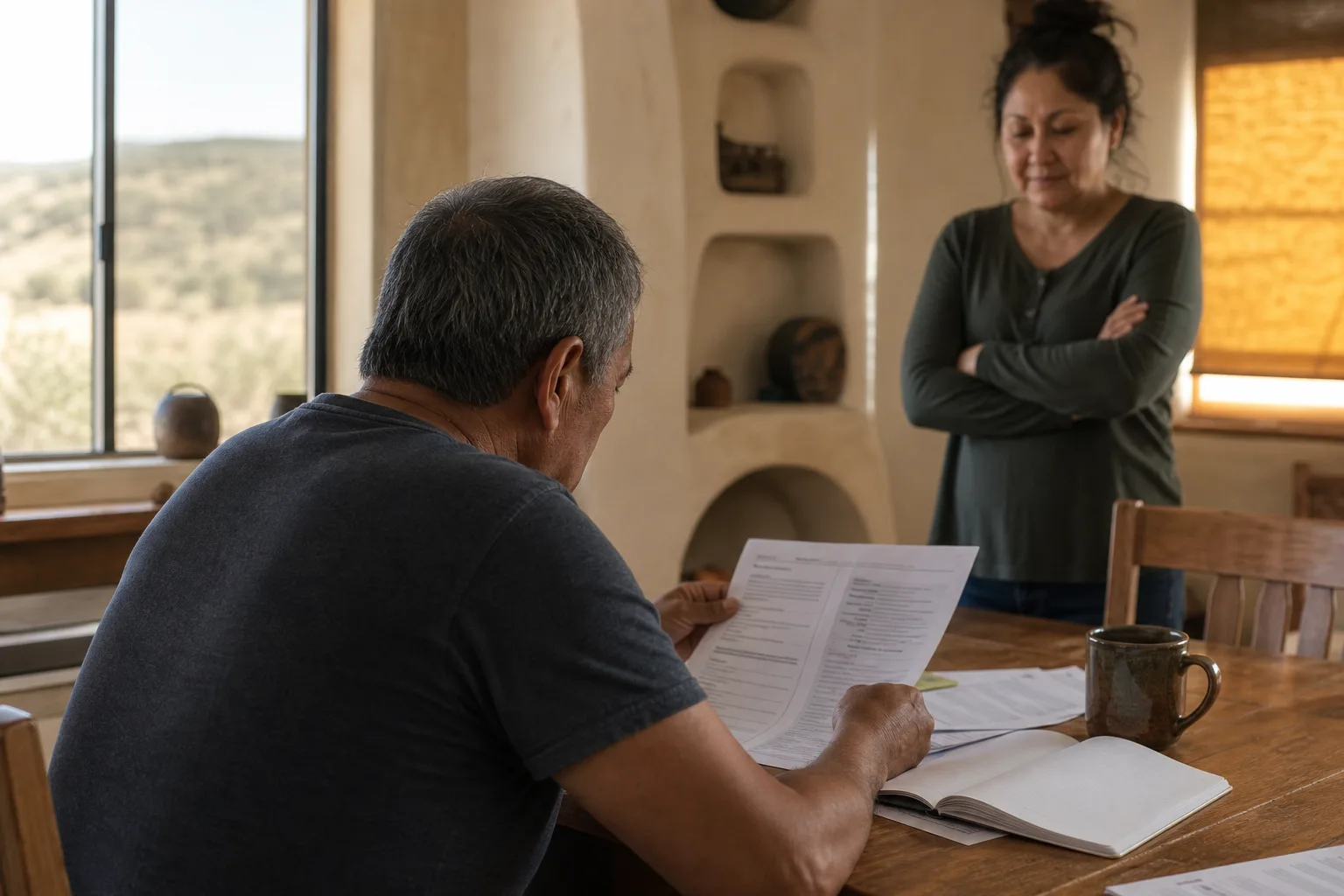
IOP after residential can be an important step in addiction treatment for someone leaving a higher level of care while still needing regular support for bipolar symptoms and substance use recovery. In Albuquerque, Choice Recovery Path offers an intensive outpatient program that provides more structure than standard outpatient services while allowing people to live at home and practice daily routines. Support in IOP may include weekly group and individual therapy, early recovery skills, peer support, medical provider support and medication-assisted treatment, life skills, and aftercare planning. People can call Choice Recovery Path to ask about the current schedule and whether IOP after residential or another referral may fit their needs.
What does IOP after residential mean for bipolar disorder and addiction?
When someone finishes residential treatment, the next question is often, “What level of support comes next?” For adults living with bipolar disorder and a substance use problem at the same time, that decision can feel especially important. A return home may bring stress, sleep changes, family strain, work demands, and easy access to alcohol or drugs. That is why many people look at IOP after residential as a step-down option that still offers strong support without staying overnight in treatment. Ask about the Choice intensive outpatient program (IOP) and outpatient addiction treatment in Albuquerque.
In Albuquerque, New Mexico, Choice Recovery Path provides outpatient addiction treatment and an intensive outpatient program, often called IOP. In general, IOP is more structured than standard outpatient care, with more frequent contact during the week. This can matter when bipolar symptoms still need close attention after residential treatment, especially if mood shifts, racing thoughts, low energy, irritability, or trouble sleeping could affect recovery. A person should talk with the admissions or clinical team about what services are available and what level of care makes the most sense.
It can help to think of IOP after residential as a bridge, not an endpoint. Residential care may provide safety and distance from daily triggers, while IOP lets a person begin using recovery skills in real life with continued support. That may include help with routines, check-ins about substance use, and planning for what to do if warning signs show up. Because bipolar disorder and substance use can affect each other, it is important to keep both in view during this stage of care.
- A step down from 24-hour residential treatment
- More structure than basic weekly outpatient visits
- Support while living at home and returning to daily life
- Ongoing attention to both substance use and mood-related concerns
Why can the time after residential feel so fragile?
The days and weeks after discharge can feel hopeful, but also unsteady. In residential treatment, much of the day is planned. Meals, sleep times, groups, and check-ins happen on a schedule. At home, those supports may be weaker or missing. For a person with bipolar disorder and co-occurring substance use, irregular sleep, conflict, isolation, or a fast return to work can increase stress. Stress does not cause bipolar disorder by itself, but it can make symptoms and recovery challenges harder to manage.
Substance use recovery can also feel different outside a residential setting. Triggers may show up quickly: old friends, familiar places, financial pressure, boredom, or the urge to “celebrate” getting home. If bipolar symptoms are also active, judgment and impulse control may be affected. That does not mean relapse is certain. It means people may benefit from a level of care that keeps them connected to support while they test new routines and coping tools in their real environment.
Families often notice this fragile period too. Loved ones may want to help but may not know what to expect from recovery or from bipolar disorder. A person may seem better one day and overwhelmed the next. This is one reason outpatient addiction treatment can be valuable after residential care. It creates a place to talk through changes, review concerns early, and adjust plans before a problem grows. If there is immediate danger, call 911. For mental health crisis support, call or text 988.
- Sleep disruption or staying up very late
- Returning too quickly to high stress roles
- Isolation after leaving a structured setting
- Contact with people or places linked to substance use
- Stopping follow-up care because things seem “fine now”
Addiction Treatment and IOP at Choice Recovery Path
Choice Recovery Path offers addiction treatment in Albuquerque, New Mexico for adults who want structured support while living at home. Its intensive outpatient program (IOP) in Albuquerque brings weekly group and individual therapy, early recovery skills, and practical tools for change into daily life.
- What IOP looks like: regular group work and one-to-one therapy, with peer support, life skills, medical provider support and medication-assisted treatment that may be part of care.
- Who it is for: adults who need more structure than standard outpatient care, people stepping down from inpatient or residential treatment, and people starting care in the community.
- Schedule: sessions fit around work and home life. Call for the current IOP schedule, program length and openings.
Call (505) 526-3649, verify your insurance, or start admissions to ask whether IOP or outpatient addiction treatment fits your needs.
For the full overview, start with Therapy For Bipolar Disorder In Recovery. Related reading: Bipolar Disorder And Addiction Treatment Albuquerque, Choose Addiction Treatment With Bipolar Disorder.
How can IOP support bipolar symptoms while someone works on sobriety?
Bipolar disorder can involve periods of unusually high energy or activity, low mood, changes in thinking speed, changes in sleep, and shifts in functioning. When substance use is also part of the picture, it can become harder to tell what is driving a person’s distress on a given day. In an intensive outpatient program, regular contact may help the treatment team and the person notice patterns sooner. That can support safer decisions about recovery, daily structure, and when to ask for added psychiatric or medical follow-up.
IOP after residential may also help people practice stability in ordinary life. That can include keeping a more regular sleep schedule, planning transportation, showing up for appointments, handling family contact, and noticing when stress is building. In Albuquerque, some adults want a program that gives real support without removing them from work or home completely. Outpatient addiction treatment at the IOP level can create room to rebuild daily life while still staying closely connected to care.
People should ask Choice Recovery Path’s admissions or clinical team what services are available in the Albuquerque program and whether a referral is needed for medication management, psychiatric care, or another mental health service. Because bipolar disorder can sometimes include severe mood symptoms, it is important not to wait if someone seems at risk. If a person talks about suicide, cannot stay safe, or shows signs of a medical or psychiatric emergency, call 911 right away. For urgent emotional distress or crisis support, call or text 988.
- Frequent check-ins during the week
- A place to review mood and substance use warning signs
- Support for routines like sleep, meals, and appointments
- Planning for cravings, stress, and setbacks
- Coordination with outside medical or psychiatric providers when appropriate
What should families watch for after a loved one returns home?
Families do not need to diagnose bipolar symptoms to notice that something is off. What matters most is paying attention to changes that affect safety, recovery, or daily life. A person may stop sleeping, become unusually energized, talk much faster than usual, seem highly irritable, or make risky choices. At other times, they may pull away, seem hopeless, stay in bed, or stop taking care of basic needs. These signs deserve calm attention, especially when there is also a history of alcohol or drug use.
IOP after residential can give families a clearer framework for what to do next. Instead of waiting for a crisis, loved ones can encourage the person to stay engaged in outpatient addiction treatment, keep appointments, and share concerns with the treatment team when the person agrees. Families can also ask general questions about how to support recovery at home. It is reasonable to ask the admissions or clinical team what family involvement may be available and what kind of communication is appropriate.
The goal is not to control the person. The goal is to lower chaos, support consistency, and respond early. Home life after residential often improves when expectations are simple and clear. A person leaving treatment may still need a calm routine more than a long lecture. If behavior becomes threatening, confused, or unsafe, call 911. If the main need is urgent emotional support or help deciding what to do in a mental health crisis, call or text 988.
- Notice major changes in sleep, energy, or behavior
- Keep home routines as calm and predictable as possible
- Encourage follow-up care instead of arguing during conflict
- Set clear boundaries around substance use and safety
- Get emergency help quickly if safety becomes a concern
| What you notice | Why it matters | A helpful next step |
|---|---|---|
| Very little sleep for several nights | Sleep changes can affect mood stability and recovery | Encourage prompt contact with the treatment team or prescribing provider |
| Skipping IOP or outpatient appointments | Loss of structure can raise relapse and symptom risk | Ask what is getting in the way and help problem-solve transportation or schedule issues |
| Sudden return to old friends or high-risk places | Exposure to triggers may increase craving and impulsive choices | Review the recovery plan and encourage safer alternatives |
| Talking about hopelessness or not wanting to live | This may signal a crisis that needs immediate attention | Call 911 for immediate danger or call/text 988 for urgent crisis support |
How do you know if IOP is the right step after residential in Albuquerque?
A good first question is whether the person is safe living outside a residential setting. If the answer is yes, the next issue is how much structure they still need. Someone with bipolar disorder and addiction may need more support than a weekly counseling visit, but not round-the-clock care. That middle ground is where IOP after residential may fit. In Albuquerque, Choice Recovery Path’s intensive outpatient program can be one option to ask about when planning the next phase of care.
It is also helpful to look at practical needs. Can the person reliably attend sessions? Do they have stable housing? Are there family or work demands that make outpatient care more realistic than another residential stay? Have sleep problems, mood swings, cravings, or recent stress made relapse risk feel higher? These are not yes-or-no tests. They are discussion points that can help a family and clinical team decide whether outpatient addiction treatment at the IOP level is enough or whether another level of care should be considered.
If you are exploring services with Choice Recovery Path in Albuquerque or Las Cruces, ask direct questions. Ask what IOP includes, how the team handles co-occurring substance use and mental health concerns, what family involvement may look like, and when a referral to outside psychiatric or medical care is recommended. You can also ask about scheduling and next-step planning after IOP. For information about Choice Recovery Path, adults and families in New Mexico can call (505) 526-3649.
- Is the person safe living at home right now?
- How much structure is needed each week?
- Are mood symptoms still interfering with daily life?
- Can the person attend and participate consistently?
- What outside medical or psychiatric follow-up is needed?
Ready to talk through next steps? Call Choice Recovery Path at (505) 526-3649 or explore IOP at Choice Recovery Path and Choice addiction treatment services.
Frequently Asked Questions
Can someone start IOP right after leaving residential treatment?
Often, yes. Many people move directly from residential treatment into a step-down level of care so support does not drop off too quickly. The right timing depends on safety, current symptoms, substance use risks, and what the treatment team recommends.
Is IOP only for people who are doing poorly after treatment?
No. Some people choose IOP because they want more structure while they return to work, family life, and community routines. It can be used to support progress, not only to respond to a setback.
What if my loved one says they do not need any more treatment?
That can happen, especially when someone feels better after residential care. Try to focus on practical goals like sleep, routine, cravings, stress, and keeping momentum rather than arguing about labels. If safety becomes a concern, seek urgent help through 911 or 988 as needed.
Does outpatient addiction treatment include help for mental health too?
Many programs work with people who have co-occurring substance use and mental health concerns. Because services differ by program, ask the admissions or clinical team what is available and whether outside psychiatric or medical referrals are part of the plan.
How does IOP help after residential treatment?
An IOP can offer step-down support after residential care by combining regular clinical contact with the flexibility to live at home. This can help someone continue working on recovery skills, daily routines, medication follow-up, and planning for ongoing support while staying connected to treatment.
When is addiction treatment after residential still necessary?
Addiction treatment after residential may still be necessary when a person needs continued structure, support for cravings, help with co-occurring mental health symptoms, or accountability during early recovery. A professional assessment can help determine whether an intensive outpatient program, standard outpatient care, or another referral is the better fit.
Sources
- SAMHSA: www.samhsa.gov/find-support/learn-about-treatment/types-of-treatment
- National Institute on Drug Abuse (NIH): nida.nih.gov/research-topics/comorbidity
- National Institute of Mental Health (NIH): www.nimh.nih.gov/health/topics/bipolar-disorder
- SAMHSA: www.samhsa.gov/mental-health/988
Call (505) 526-3649 to talk through next steps.