
Kratom addiction treatment in Las Cruces with compassionate support

Kratom is often promoted as a natural product, but natural does not always mean harmless. Some people begin using kratom to manage pain, increase energy, cope with stress, or reduce symptoms related to other substances. Over time, regular use can lead to tolerance, dependence, withdrawal symptoms, and difficulty functioning without it.
If you are searching for kratom addiction treatment in Las Cruces, you may be wondering whether your use is serious enough to require professional care. You do not need to wait for a crisis. Choice Recovery Path helps people in Las Cruces and surrounding New Mexico communities explore treatment options in a respectful, practical setting.
Kratom-related problems can look different from one person to another. A thoughtful assessment can clarify what is happening, identify medical or mental health concerns, and support a treatment plan based on your needs rather than assumptions.
Understanding Kratom Use And Dependence
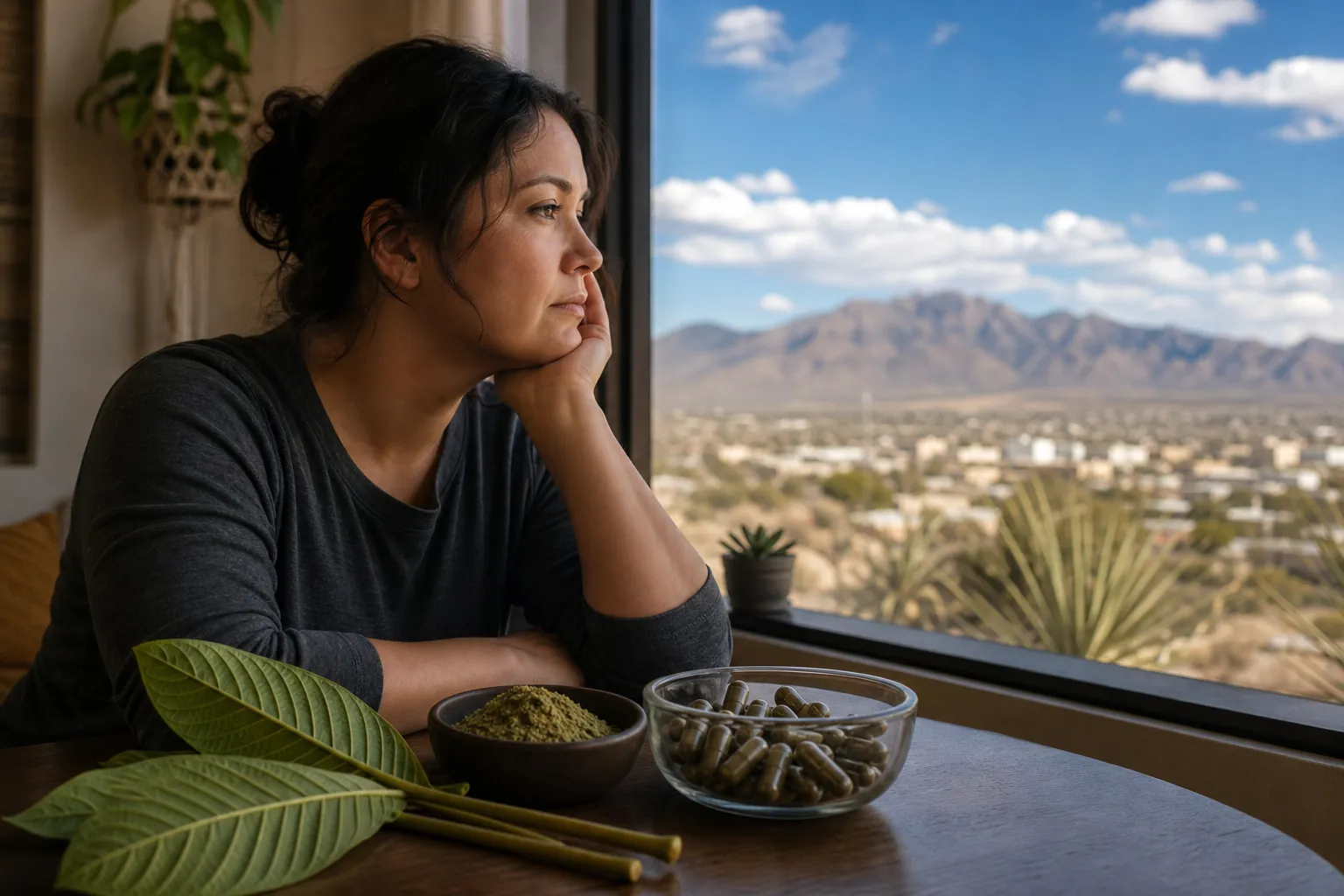
Kratom comes from the leaves of the Mitragyna speciosa tree. Products may be sold as powders, capsules, teas, extracts, gummies, or concentrated shots. The strength and contents can vary considerably, especially because these products are not standardized like prescription medications.
Kratom contains compounds that interact with opioid receptors in the brain. Lower amounts may produce stimulating effects for some people, while higher amounts may cause sedation or opioid-like effects. Repeated use can change how the body responds, making it harder to feel normal without taking more.
Dependence means the body has adapted to a substance. It may lead to withdrawal symptoms when use is reduced or stopped. Addiction, also called a substance use disorder, involves patterns such as loss of control, persistent cravings, risky use, and continued use despite harmful consequences. A person can experience physical dependence without meeting every criterion for addiction, but both situations may benefit from professional support.
Kratom use may become especially complicated when products are combined with alcohol, opioids, benzodiazepines, stimulants, sleep aids, or other medications. Mixing substances can increase the risk of unpredictable reactions, excessive sedation, impaired judgment, or overdose. Medical guidance is important when multiple substances are involved.
Signs It May Be Time To Seek Help
There is no single amount or frequency that defines a kratom problem for everyone. What matters is how use affects your health, responsibilities, relationships, finances, and sense of control. An honest look at these areas can help you decide whether to seek an assessment.
- You need larger or more frequent amounts to achieve the effects you previously felt.
- You experience cravings or spend substantial time buying, using, or recovering from kratom.
- You feel sick, restless, anxious, or unable to sleep when you delay or reduce a dose.
- You have tried to cut down or stop but returned to regular use.
- You use kratom to avoid withdrawal rather than for its original purpose.
- Your use has caused conflict at home, missed work, financial strain, or reduced interest in daily activities.
- You continue using despite digestive issues, mood changes, sleep problems, or other health concerns.
- You conceal how much you use or feel worried about others discovering it.
Shame often keeps people from asking for help. Kratom products may have initially seemed safer or more manageable than other substances. Developing dependence does not represent a moral failure. It reflects changes in the body, learned coping patterns, personal circumstances, and sometimes untreated health conditions.
Early support can make the next steps more manageable. Even if you are uncertain about stopping, a confidential conversation can help you understand your risks and available levels of care.
What Kratom Withdrawal Can Feel Like
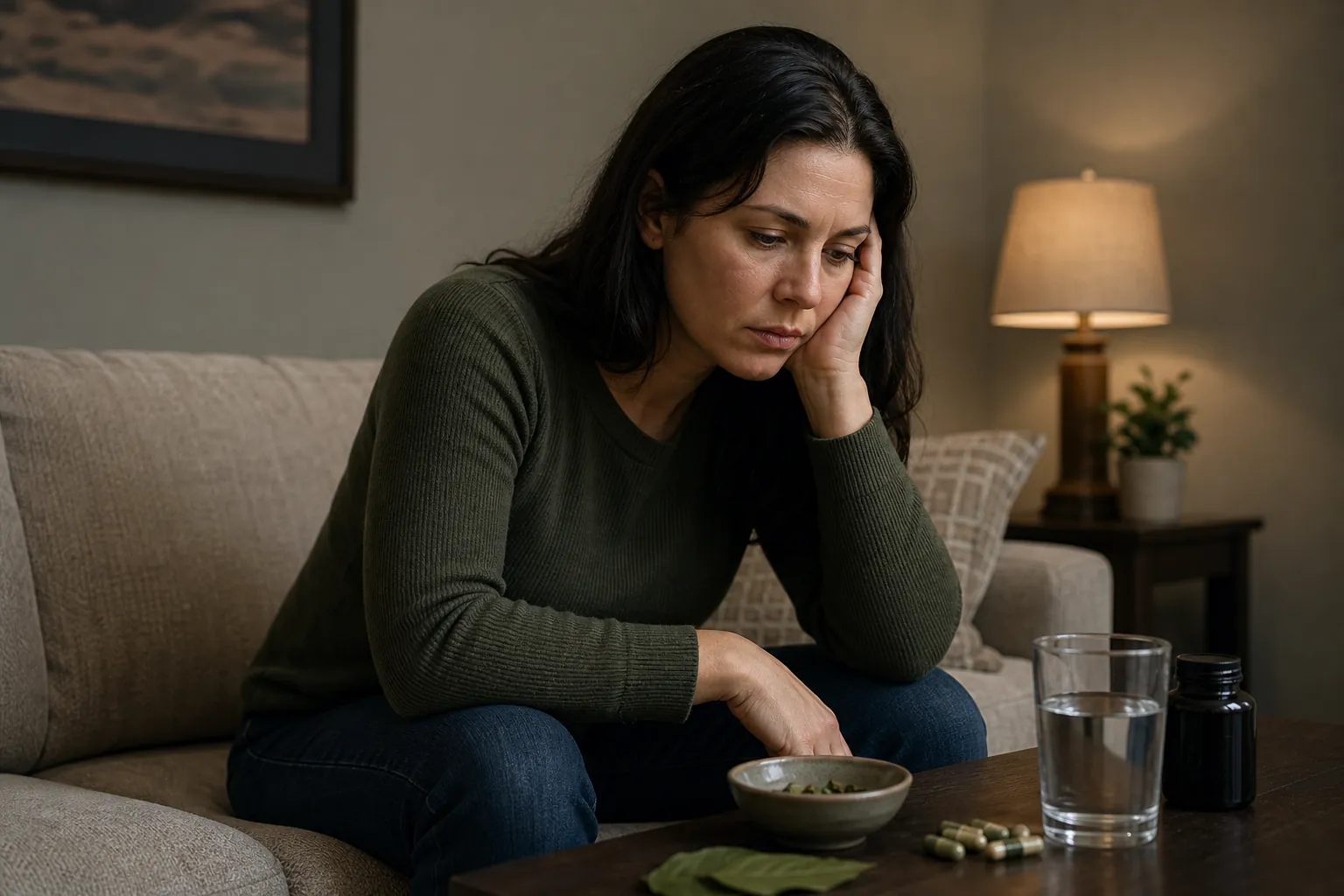
Withdrawal experiences vary based on dose, product strength, length of use, overall health, and whether other substances are involved. Concentrated extracts may deliver much higher amounts of active compounds than traditional leaf preparations, making it difficult to estimate exposure based only on the number of servings.
Possible kratom withdrawal symptoms include:
- Muscle aches, joint discomfort, sweating, or chills may develop after reducing use.
- Restlessness, irritability, anxiety, or low mood may make it difficult to relax.
- Nausea, diarrhea, abdominal discomfort, or reduced appetite may occur.
- Insomnia and fatigue may appear together, leaving a person exhausted but unable to sleep.
- Cravings may become intense when stress, pain, or familiar routines trigger the urge to use.
- Runny nose, watery eyes, tremors, or a general flu-like feeling may also occur.
Stopping suddenly is not always the safest or most sustainable choice, particularly for someone using large amounts, concentrated products, or multiple substances. Medical professionals can assess withdrawal risk and recommend an appropriate setting. Some people may need supervised withdrawal management, while others may be able to begin care in an outpatient environment.
Seek emergency care if someone is difficult to wake, has slowed or irregular breathing, experiences a seizure, becomes severely confused, reports chest pain, or may have taken a contaminated product. Call 911 in an immediate emergency. Do not leave the person alone while waiting for help.
How Treatment Begins At Choice Recovery Path
Treatment should begin with listening. At Choice Recovery Path, the first step is a detailed assessment of your kratom use, health history, current symptoms, goals, and daily circumstances. This process helps the care team recommend services that match the level of support you need.
An assessment may explore:
- The type, strength, amount, and frequency of kratom products you use.
- Previous attempts to reduce or stop and the symptoms that followed.
- Use of alcohol, prescription medications, cannabis, opioids, or other substances.
- Physical health concerns, including chronic pain and sleep difficulties.
- Mental health symptoms such as anxiety, depression, trauma responses, or panic.
- Housing, transportation, employment, family responsibilities, and recovery support.
- Your immediate priorities and longer-term goals for treatment.
Accurate information is essential because kratom packaging may not reliably reflect potency. If possible, bring a photo of the label or explain where and how the product was purchased. Be open about other substances and medications, including nonprescription products. The purpose is to improve safety, not to judge you.
After the assessment, the team can discuss suitable options and referrals. Recommendations may include a medically supported withdrawal plan, outpatient services, a more structured program, mental health treatment, or coordination with medical providers. The right level of care depends on clinical needs and can change as recovery progresses.
Core Elements Of A Personalized Treatment Plan
Effective care addresses more than the act of taking kratom. People often need support with the reasons they began using, the situations that maintain the pattern, and the practical barriers that make change difficult. A personalized plan may combine several approaches.
Medical evaluation and withdrawal support
A clinician can evaluate symptoms, identify potential interactions, and determine whether supervised withdrawal care is appropriate. There is no single medication approved specifically for kratom addiction. However, qualified medical professionals may address individual symptoms or co-occurring conditions based on a careful evaluation.
People should not borrow medication or attempt to manage withdrawal with alcohol, opioids, benzodiazepines, or other sedating substances. Self-treatment can replace one dependence with another and create dangerous interactions.
Individual counseling
One-on-one counseling provides a private place to understand triggers, strengthen motivation, and develop coping strategies. Evidence-informed methods can help people challenge unhelpful thought patterns, prepare for high-risk situations, and build confidence through achievable goals.
Counseling can also address grief, trauma, family stress, isolation, or work pressure when these factors contribute to substance use. Recovery becomes more sustainable when care treats the whole person rather than focusing only on a product.
Group support
Group services can reduce isolation and offer practical insight from people working toward similar goals. Participants may practice communication, discuss relapse warning signs, and learn how others handle cravings or difficult emotions. A well-facilitated group creates accountability while protecting dignity and personal boundaries.
Co-occurring mental health care
Anxiety, depression, post-traumatic stress, attention difficulties, and sleep disorders can overlap with kratom use. If these symptoms remain untreated, they may increase the likelihood of returning to use. Integrated care considers mental health and substance use together so that one problem does not repeatedly undermine progress in the other.
Family education and support
When appropriate and with the participant's consent, family involvement can improve understanding and communication. Loved ones may need help distinguishing support from enabling. They can learn to set healthy boundaries, recognize warning signs, and respond to setbacks without escalating conflict.
Addressing Pain Without Returning To Kratom
Many people use kratom because they are trying to function through chronic pain. If pain was the original reason for use, simply removing kratom without creating another plan may leave a major recovery need unresolved. Coordination with a medical provider can help identify safer and more sustainable approaches.
Depending on the cause and severity of pain, a broader plan might involve physical therapy, movement within medical limits, sleep improvement, stress management, or evaluation by a qualified medical professional. Behavioral strategies can also help people respond to pain without automatically reaching for a substance.
It is important to avoid promises that any single method will eliminate pain. The goal may be to improve function, reduce risk, and build several tools rather than relying on one product. Choice Recovery Path can help you consider how pain, stress, and substance use interact within your recovery plan.
Building Skills For Cravings And Relapse Prevention
Cravings do not mean treatment has failed. They are common learned responses that can be triggered by discomfort, people, places, online advertisements, paydays, fatigue, or memories of temporary relief. Recovery planning helps you notice triggers early and respond before an urge becomes a decision.
Useful strategies may include:
- Remove kratom products, empty containers, vendor bookmarks, and automatic online subscriptions from your environment.
- Tell at least one trusted person what support you need during high-risk times.
- Delay acting on a craving and use a planned activity while its intensity changes.
- Follow consistent routines for meals, hydration, sleep, treatment appointments, and appropriate movement.
- Keep contact information for your care team and supportive people easy to access.
- Plan how you will respond if someone offers kratom or minimizes the risks of returning to use.
- Track warning signs such as isolation, missed sessions, worsening sleep, secrecy, or romanticizing past use.
A return to use should be taken seriously, but it does not erase previous progress. Contacting the treatment team quickly can reduce harm and help identify what needs to change. The plan may require more support, different coping tools, medical reassessment, or attention to a new stressor.
Choosing Local Care In Las Cruces
Local treatment can make consistent participation more realistic. Receiving care near home may reduce travel demands and allow you to practice recovery skills within the same environment where everyday triggers occur. It can also support coordination with nearby medical, mental health, and community resources.
Las Cruces residents may face practical concerns such as transportation, work schedules, caregiving duties, privacy, or limited access from nearby rural areas. Discuss these barriers during the first conversation. A useful treatment plan should account for real life rather than expecting recovery to happen separately from it.
When comparing programs in New Mexico, ask clear questions:
- Does the program assess kratom use specifically, including concentrated extracts and other substances?
- How does the team determine whether outpatient care or a higher level of support is appropriate?
- Are mental health concerns and chronic pain considered during planning?
- What counseling approaches, group services, and recovery supports are available?
- How are privacy, family involvement, and care coordination handled?
- What happens if withdrawal symptoms worsen or a participant returns to use?
- What payment information or insurance details should be prepared before admission?
A reputable provider should explain services honestly and avoid guaranteeing a cure. Recovery timelines vary, and plans should be reviewed as needs change.
How To Prepare For Your First Conversation
You do not need to have everything organized before reaching out. A few details can help the conversation feel more productive. Write down the kratom products you use, approximate amounts, dosing times, and any withdrawal symptoms. Include other substances, prescriptions, supplements, and relevant medical conditions.
Consider what you want help with first. Your immediate goal might be stopping safely, sleeping without kratom, returning to work consistently, managing pain, or repairing trust with family. It is acceptable if your goals are still developing. Treatment can begin with reducing immediate risk and building readiness for further change.
If insurance or payment is a concern, have your insurance card available when you call. Coverage and eligibility vary, so verification is necessary before relying on a specific benefit. You can also ask what identification, records, medications, or referral information may be needed.
Take A Confidential First Step
Kratom dependence can become exhausting, especially when every day revolves around preventing withdrawal or managing the next dose. Support is available, and asking questions does not commit you to a particular program.
Choice Recovery Path offers a calm place to discuss kratom use, related health concerns, and possible treatment options in Las Cruces, New Mexico. Call (505) 526-3649 to speak with the team. If you are calling for someone you care about, the team can also help you understand constructive next steps and appropriate boundaries.
If there is an immediate medical emergency, possible overdose, severe breathing difficulty, seizure, or inability to wake someone, call 911 rather than waiting for a treatment consultation.
Call (505) 526-3649 to talk through next steps.