
How individual addiction counseling supports meaningful change

Recovery from substance use is deeply personal. Two people may use the same substance or share similar symptoms, yet have very different histories, responsibilities, strengths, and reasons for seeking help. Effective treatment should make room for those differences.
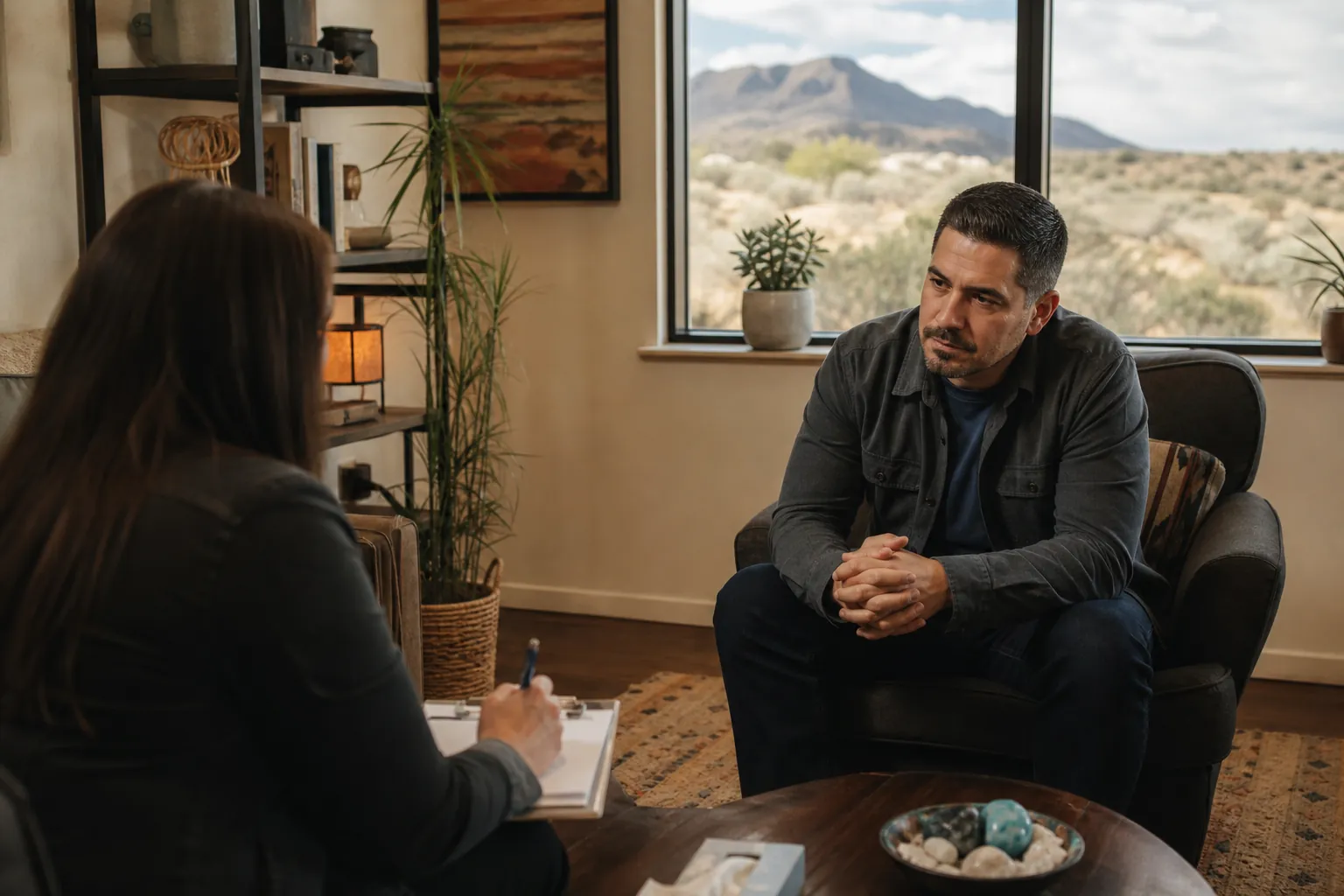
One on one addiction counseling gives a person dedicated time with a trained counselor to examine substance use, identify patterns, set practical goals, and develop healthier responses to stress. These private conversations can become a steady part of a broader recovery plan, whether someone is beginning treatment, returning after a recurrence of use, or working to maintain long-term progress.
At Choice Recovery Path, counseling is approached with respect for each person's circumstances. For people and families in New Mexico, individualized support can make treatment feel more relevant, manageable, and connected to everyday life.
What Happens In Individual Addiction Counseling?
Individual counseling is a structured, confidential conversation between a client and a qualified behavioral health professional. Although sessions may feel conversational, they are guided by treatment goals and informed by the client's needs, readiness, and current challenges.
Early meetings commonly focus on understanding the person's substance use and its effects. A counselor may ask about frequency and amount of use, withdrawal experiences, previous treatment, physical health, emotional well-being, relationships, work, housing, legal concerns, and sources of support. These questions are not intended to judge. They help create a clearer picture of what care may be appropriate.
Together, the client and counselor can identify goals that are meaningful and realistic. Depending on the situation, those goals may include stopping substance use, reducing immediate harm, completing a higher level of care, rebuilding family trust, improving emotional regulation, or creating a reliable relapse prevention plan.
As counseling continues, sessions may address topics such as:
- The client learns to recognize situations, emotions, thoughts, and relationships that increase the urge to use substances.
- The counselor and client practice coping skills that can be used during cravings, conflict, loneliness, boredom, or stress.
- The client examines beliefs and habits that have kept an unhealthy cycle in place.
- Sessions provide space to discuss setbacks honestly and decide what should change in the treatment plan.
- The client builds routines that support sleep, nutrition, medical care, work, family responsibilities, and recovery activities.
- Counseling can help the client prepare for difficult conversations and establish healthier boundaries.
No single session resolves every concern. Progress often develops through repeated practice, honest reflection, and small decisions made consistently over time.

Why A Personalized Approach Matters
Substance use disorders can be influenced by many factors, including trauma, chronic pain, grief, mental health symptoms, social isolation, family dynamics, and access to stable resources. Individual counseling provides time to understand how these factors interact for a particular person.
Privacy is an important benefit. Some people find it difficult to discuss shame, fear, relationship problems, or past experiences in a group setting. A private session may help them speak more openly and ask questions they are not yet comfortable raising elsewhere. Counselors should explain confidentiality and its legal and safety-related limits so clients understand how their information is handled.
The pace can also be adjusted. A person who is unsure about treatment may need time to explore mixed feelings about change. Someone facing immediate consequences may need a focused plan for the next few days. A client with established recovery skills may use sessions to address a new risk, strengthen accountability, or work toward broader life goals.
Individualized care does not mean the counselor makes every decision. Strong counseling is collaborative. The client brings firsthand knowledge of their life, while the counselor contributes clinical training, structure, and practical tools. This partnership can support a sense of ownership that is valuable throughout recovery.
Counseling Methods That May Support Recovery
Counselors may draw from several evidence-informed approaches. The methods used should reflect the client's assessment, preferences, treatment goals, and any co-occurring health concerns. Not every technique is suitable for every person, and approaches can be adjusted as needs change.
Motivational interviewing
It is common to feel uncertain about changing substance use. A person may recognize serious consequences while also relying on alcohol or drugs to cope with pain, anxiety, social pressure, or memories. Motivational interviewing helps clients examine this uncertainty without confrontation. The counselor uses open questions, reflective listening, and summaries to help the client identify personal reasons for change.
Cognitive behavioral strategies
Cognitive behavioral therapy, often called CBT, explores connections among thoughts, feelings, and actions. A client might notice that a thought such as “I cannot handle this stress” increases hopelessness and makes substance use seem inevitable. Counseling can help the person evaluate that thought, develop a more useful response, and choose a coping action that supports recovery.
Relapse prevention planning
Relapse prevention involves more than avoiding substances. It includes learning to recognize early warning signs and responding before risk escalates. Warning signs may include withdrawing from supportive people, romanticizing past use, skipping appointments, keeping substances nearby, returning to high-risk environments, or abandoning daily routines.
A practical prevention plan may identify:
- The client lists personal warning signs in specific language that is easy to recognize.
- The plan names people who can offer safe, reliable support during a difficult moment.
- The client identifies places and situations that require additional planning or temporary avoidance.
- The plan includes several coping actions for cravings, rather than depending on a single strategy.
- The client knows whom to contact if risk increases or substance use resumes.
Trauma-informed care
Some people entering treatment have experienced trauma. Trauma-informed counseling emphasizes emotional and physical safety, trust, collaboration, and personal choice. It recognizes that certain environments or interactions may cause distress. Trauma-informed care does not require a client to share every detail of an experience before receiving support.
How Counseling Fits Into A Broader Treatment Plan
One on one addiction counseling can be important, but it may not be the only service a person needs. Substance use disorders range in severity, and appropriate care depends on factors such as the substance involved, withdrawal risk, medical stability, mental health, home environment, and ability to function safely.
A comprehensive assessment can help determine whether outpatient counseling is appropriate or whether a more intensive setting should be considered. Some people benefit from detoxification, residential treatment, intensive outpatient services, medication for substance use disorders, psychiatric care, primary care, peer support, case management, or family services.
Withdrawal from alcohol, benzodiazepines, and certain other substances can be medically dangerous. Counseling is not a substitute for medical evaluation or supervised withdrawal care. Anyone experiencing severe confusion, seizures, hallucinations, chest pain, trouble breathing, loss of consciousness, or an immediate risk of harm should call 911 or seek emergency medical care.
When multiple providers are involved, coordinated care can reduce gaps and conflicting recommendations. With appropriate consent, a counselor may communicate with medical professionals, treatment programs, or other members of the care team. Clients should receive an explanation of what information may be shared and why.
Individual sessions can also complement group counseling. Groups can provide connection, shared learning, and opportunities to practice interpersonal skills. Private sessions offer additional space to work on sensitive topics and tailor strategies. The two formats are not competing options. For many clients, they serve different and useful purposes.
Addressing Co-Occurring Mental Health Concerns
Anxiety, depression, trauma symptoms, and other mental health concerns often occur alongside substance use. Sometimes substances are used to manage difficult symptoms. In other cases, substance use intensifies or contributes to those symptoms. Careful assessment is important because the relationship can be complex.
Individual counseling gives clients a consistent place to discuss changes in mood, sleep, concentration, energy, and behavior. A counselor can help distinguish patterns, teach coping skills within their scope of practice, and recommend additional evaluation when appropriate.
Integrated care aims to address both substance use and mental health rather than treating one concern as irrelevant to the other. This may involve collaboration with a physician, psychiatrist, therapist, or other qualified professional. Medication decisions should always be made with an authorized medical provider.
Clients should share any thoughts of suicide, self-harm, violence, or inability to remain safe with a professional immediately. In the United States, people experiencing a mental health or suicide crisis can call or text 988 for the Suicide & Crisis Lifeline. If danger is immediate, call 911.
Building Skills For Life Outside The Counseling Office
The value of counseling is not limited to what happens during an appointment. Sessions can help clients choose and practice skills that apply to real situations at home, at work, and in the community. A counselor may ask the client to try a strategy between meetings and discuss what worked during the next session.
Helpful skills may include slowing down before making a decision, naming an emotion, calling a supportive person, leaving a high-risk setting, delaying action during a craving, or creating a written schedule. Grounding exercises and healthy movement may also help some people manage stress when appropriate for their health.
Clients can strengthen their recovery environment by taking practical steps:
- They can remove alcohol, drugs, or related items from the home when it is safe to do so.
- They can tell trusted people what kind of support is helpful and what behavior is not.
- They can plan transportation before attending events where substances may be present.
- They can keep counseling and medical appointments visible on a calendar with reminders.
- They can develop evening and weekend routines for times that previously involved substance use.
- They can include rest, nutrition, meaningful activity, and social connection in their recovery plan.
These actions may seem simple, but they can reduce avoidable risk. Counseling helps personalize them so they are realistic for the client's work schedule, family obligations, health, finances, and location.
Recovery Considerations For New Mexico Communities
New Mexico includes urban centers, small towns, pueblos, tribal lands, and remote rural areas. Access to behavioral health care can vary considerably. Transportation, distance, work schedules, internet access, language, and privacy within a close-knit community may affect a person's ability to participate in treatment.
Culturally responsive care matters. Culture, family, spirituality, community, and tradition can be meaningful sources of identity and resilience. Counselors should approach these areas with humility and avoid assumptions. Clients can ask how a provider incorporates cultural preferences, language needs, and community supports into treatment.
Practical barriers also deserve direct attention. A strong plan should account for how the client will attend appointments, manage child care, obtain prescriptions, and reach support during high-risk periods. When telehealth is available and clinically appropriate, it may reduce travel, but clients should ask about technology requirements, privacy, licensure, and coverage.
New Mexico residents seeking care can prepare a short list of questions before contacting a provider. Asking about services, scheduling, costs, payment options, clinical credentials, and coordination with medical care can make the first conversation more productive.
What To Look For In An Addiction Counselor
A productive therapeutic relationship depends on both professional qualifications and personal fit. Clients should feel respected and able to ask questions, even when counseling addresses uncomfortable topics. Disagreement can occur, but the interaction should remain safe, professional, and focused on treatment.
Consider asking a prospective provider:
- What experience do you have working with my substance use and related concerns?
- How do you assess whether outpatient counseling is an appropriate level of care?
- Which counseling approaches do you use, and how are they tailored to each client?
- How do you address mental health concerns that occur alongside substance use?
- How will we set goals and review progress over time?
- What happens if I miss a session, resume substance use, or need more support?
- How do you protect confidentiality, and what are its limits?
- What fees, insurance requirements, or payment options should I understand?
Clients can also pay attention to whether the counselor listens carefully, explains recommendations, and includes them in decisions. Recovery support should not depend on shame. Accountability can be direct while still preserving dignity.
How To Prepare For A First Session
It is normal to feel nervous before an initial appointment. Preparation does not require having a perfect explanation or being fully certain about recovery. Honest information helps the counselor recommend appropriate next steps.
If possible, bring a list of medications, relevant health conditions, previous treatment, current providers, and questions. It may also help to think about recent substance use, withdrawal symptoms, overdose history, and any immediate safety concerns. Clients should report these details accurately because they can affect the recommended level of care.
The first session may include paperwork, consent forms, privacy information, screening questions, and discussion of goals. Clients can ask for clarification whenever language is confusing. Before the appointment ends, they should understand the proposed next step, how to reach the office, and what to do if their needs become urgent.
Taking The Next Step With Choice Recovery Path
Seeking help does not require waiting for life to become unmanageable. Counseling can begin when a person notices concern, feels stuck in a repeating pattern, or wants structured support after previous treatment. It can also help someone evaluate options without demanding that they have every answer at the start.
Choice Recovery Path offers a place to discuss needs, goals, and possible next steps with respect. Services and recommendations should always be based on an individual assessment, including whether another provider or level of care would be more appropriate.
If you are considering one on one addiction counseling in New Mexico, call Choice Recovery Path at (505) 526-3649. A calm, confidential conversation can help you learn about available support and determine a reasonable next step.
Call (505) 526-3649 to talk through next steps.