
What to do when you miss outpatient rehab sessions
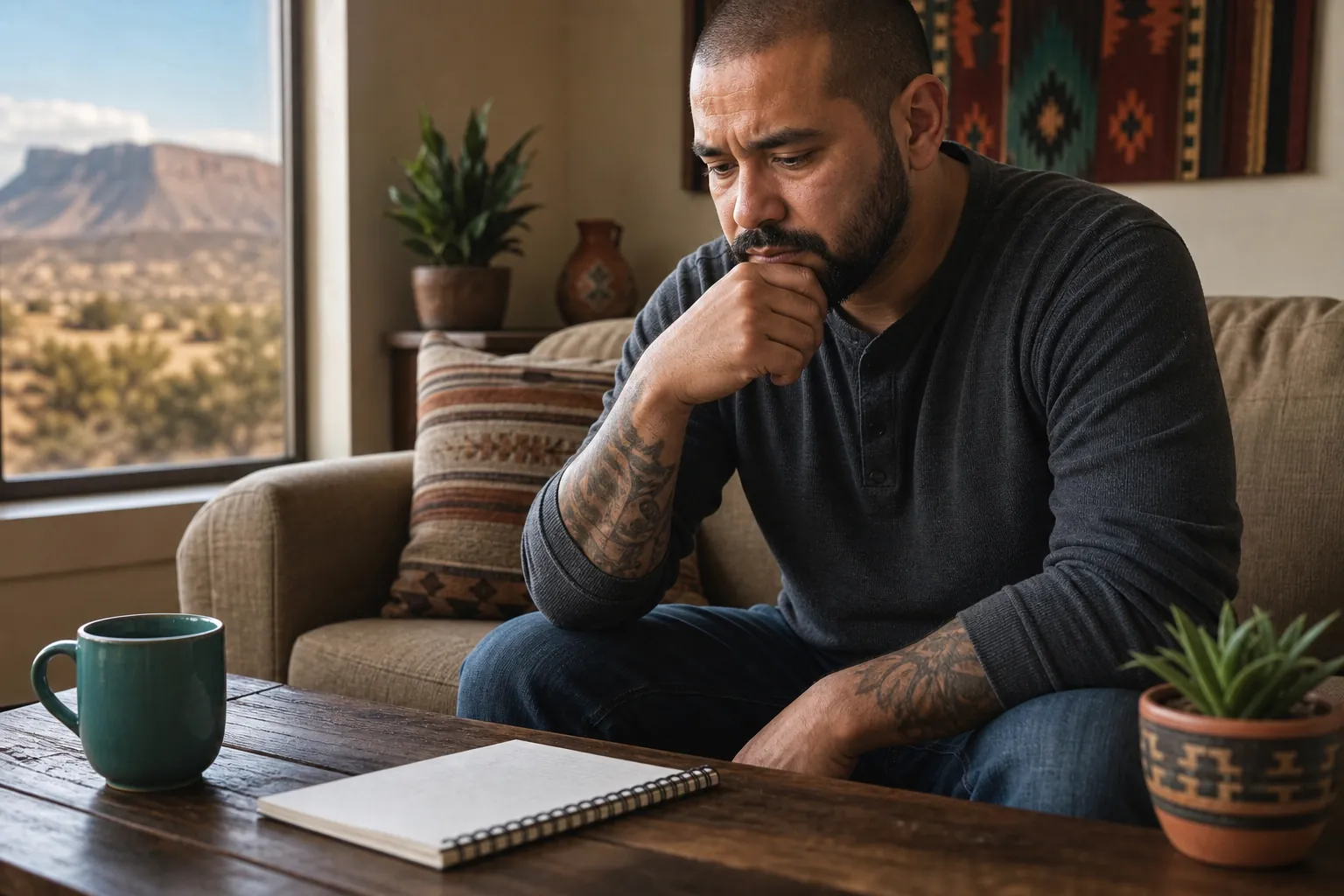
Missing an outpatient substance use treatment appointment can bring up worry, guilt, or uncertainty. You may wonder whether you will be discharged, whether your recovery has been harmed, or whether it is worth returning. In most cases, the most helpful next step is simple: contact your treatment provider as soon as possible and explain what happened honestly.
Outpatient rehab missed sessions do not automatically mean that treatment has failed. Transportation problems, work schedules, illness, family responsibilities, cravings, and emotional distress can all interfere with attendance. What matters now is how quickly you reconnect with support and address the reason you missed care.
Choice Recovery Path helps people in New Mexico navigate challenges that can affect participation in substance use disorder treatment. If you have missed an appointment or are concerned that you may miss one, call (505) 526-3649 to discuss your next step calmly and confidentially.
What Usually Happens After A Missed Session?
The response to a missed outpatient appointment depends on the program, the type of session, your treatment plan, and whether you contacted the provider. Programs often distinguish between a cancellation made in advance and an appointment missed without notice.
A staff member may call or message you to check on your safety and ask whether you want to reschedule. Your counselor may also discuss attendance during your next visit. This conversation is generally intended to identify barriers and keep treatment useful, not to shame you.
Possible responses may include:
- The program may reschedule the individual counseling session, group, assessment, or medication appointment.
- Your counselor may review the attendance policy and explain whether repeated absences affect enrollment.
- Your treatment team may update your recovery plan if transportation, work, childcare, or symptoms are disrupting care.
- A clinician may recommend more frequent contact if the absence occurred during a period of increased cravings or substance use.
- The provider may discuss a different level of care if outpatient services are no longer offering enough structure.
Policies vary, so avoid assuming that you have been removed from care. Call the program directly. Even if several sessions have been missed, reconnecting is usually more productive than staying away because you feel embarrassed.

Why Prompt Communication Matters
Outpatient treatment depends on regular contact. Sessions provide opportunities to practice coping skills, review triggers, address co-occurring mental health concerns, and build accountability. Missing one visit may be manageable, but a pattern of absences can create distance from the people and routines supporting recovery.
Prompt communication allows your provider to help before a practical problem becomes a treatment interruption. For example, if your work shift changed, the program may have another group time. If transportation is unreliable, staff may be able to discuss telehealth eligibility, community transportation resources, or scheduling options. Available services differ by provider and location in New Mexico, but asking early gives you more choices.
Contacting the program is especially important if you missed a session because you used alcohol or drugs. A return to use is important clinical information. It does not erase previous progress, but it may indicate that your plan needs additional support. Being honest helps clinicians evaluate immediate risks and recommend an appropriate response.
If you are experiencing a medical emergency, severe withdrawal symptoms, an overdose, or an immediate threat to your safety, call 911 or go to the nearest emergency department. A routine outpatient appointment is not a substitute for emergency care.

Steps To Take After Missing Outpatient Rehab
You do not need a perfect explanation before reaching out. A brief, direct call is enough to reopen communication. Use the following steps to move forward.
Contact the program as soon as possible
Call the office and state your name, the session you missed, and that you want to reschedule or speak with your counselor. If you reach voicemail, leave a safe callback number and follow any instructions provided. Do not share sensitive information in a voicemail if other people can access your phone.
Explain the barrier honestly
Tell staff whether the absence involved transportation, work, illness, caregiving, anxiety, cravings, substance use, or another issue. Accurate information helps the treatment team offer relevant solutions. You can be honest without providing unnecessary personal details to administrative staff. More sensitive concerns can be discussed with a clinician.
Ask about immediate assignments or medication needs
If the missed visit included medication management, contact the prescribing provider promptly. Do not change a dose, borrow medication, or stop a prescribed medicine based only on a missed appointment. Ask the clinical team for instructions.
You can also ask whether there is recovery work to complete before the next session. Your counselor may recommend reviewing a relapse prevention plan, attending a peer support meeting, journaling about the event, or contacting a trusted recovery support person.
Confirm the next appointment
Write down the date, time, location, and type of appointment. Confirm whether it is in person or by telehealth. If it is virtual, check what technology, identification, or private setting may be required.
Make a short plan for the time between visits
If your new appointment is several days away, identify safe supports you can use in the meantime. This may include a sponsor, peer support specialist, trusted family member, recovery group, or clinician-approved coping strategy. Avoid people, places, and situations that increase your risk when possible.
Common Reasons People Miss Treatment
Understanding why an appointment was missed is more useful than judging the absence. Different barriers require different solutions, and more than one factor may be involved.
Transportation and long travel distances
New Mexico includes rural and frontier communities where treatment may be far from home. Car trouble, limited public transportation, fuel costs, and weather can affect attendance. Ask whether the provider offers telehealth for appropriate services, has flexible scheduling, or can suggest local transportation resources. Telehealth is not suitable for every service or every person, but it may reduce some travel barriers.
Work, school, and family responsibilities
Outpatient care is designed to fit into daily life, but schedules can still conflict. Rotating shifts, childcare gaps, school obligations, and caring for relatives are common concerns. Discuss these issues before they lead to repeated absences. Evening groups, different appointment times, or a revised frequency may be available.
Anxiety, shame, or low motivation
Some people miss sessions because talking about substance use feels overwhelming. Others avoid returning after a difficult week because they expect criticism. These feelings are important treatment topics. Tell your counselor if anxiety or shame is making attendance harder. A supportive treatment environment should address these emotions without humiliation.
Cravings or a return to substance use
Cravings can disrupt planning and make isolation seem easier. Substance use may also lead someone to avoid appointments because they fear consequences. However, this is often when clinical support is most valuable. Contact the provider and be direct about what happened so that your safety and level of care can be reassessed.
Physical or mental health symptoms
Depression, trauma symptoms, sleep problems, pain, and other health concerns can interfere with attendance. If these symptoms are persistent, ask for a coordinated plan. Substance use disorder treatment may be more effective when co-occurring physical and behavioral health needs are addressed appropriately.
How To Prevent Future Missed Appointments
A missed session can reveal where your attendance plan needs reinforcement. Choose strategies that match the actual barrier rather than relying only on willpower.
- Enter every appointment into your phone calendar before leaving the office and set more than one reminder.
- Keep the program's phone number saved so you can quickly report delays or request help.
- Arrange transportation the day before and identify a backup option when one is realistically available.
- Tell your counselor about work or family schedule changes before they create a conflict.
- Prepare for telehealth visits by charging your device, testing the connection, and finding a private location.
- Ask a trusted support person to remind you or help you stay accountable when appropriate.
- Use a written weekly schedule that includes treatment, meals, sleep, medications, work, and recovery activities.
- Discuss anxiety or avoidance openly instead of waiting until you feel fully ready to attend.
It can also help to create a personal attendance backup plan. Write down what you will do if your car will not start, childcare falls through, or cravings rise before a session. Include the provider's number, safe transportation options, and two supportive people you can contact. Planning while you are calm can make decisions easier during a stressful moment.
When Missed Sessions May Signal A Need For More Support
An occasional scheduling problem is different from repeatedly being unable to attend or remain engaged. Multiple absences may indicate that the current plan does not match your needs. This is not a moral failure. It is a reason to reassess the intensity, format, or location of care.
Contact your provider promptly if missed sessions are connected with:
- Increasing alcohol or drug use, stronger cravings, or difficulty stopping once use begins.
- Withdrawal symptoms, blackouts, overdose risk, or unsafe combinations of substances.
- Unstable housing, interpersonal violence, or an environment where substances are constantly present.
- Depression, panic, trauma symptoms, or other concerns that make daily activities difficult.
- Repeated inability to follow the outpatient schedule despite practical changes and added support.
- Thoughts of self-harm, suicide, or harming someone else.
A clinical assessment can help determine whether standard outpatient care, intensive outpatient programming, partial hospitalization, residential treatment, withdrawal management, medication services, or another option should be considered. The right recommendation depends on substance use patterns, medical needs, safety, support at home, and other individual factors.
If you have thoughts of suicide or are in emotional crisis, call or text 988 for the Suicide & Crisis Lifeline. If there is immediate danger, call 911. If opioid overdose is suspected, administer naloxone if available and call 911 immediately.
What To Say When You Call
Reaching out may feel difficult, especially if you expect a negative reaction. Preparing a few sentences can reduce that pressure. You might say:
- “I missed my appointment and want to reconnect with treatment. What is the soonest available time?”
- “Transportation prevented me from attending. Can we discuss scheduling or other attendance options?”
- “I used substances after my last appointment and need to speak with a clinician about what to do next.”
- “My work schedule changed, and I am concerned about missing more groups. Are other times available?”
- “I have missed several sessions and would like to know whether I need a new assessment.”
Keep in mind that privacy rules may limit what staff can discuss with relatives or friends. If someone is helping you make the call, the program may need your consent before sharing information about your care.
Returning Without Letting Shame Take Over
Recovery rarely follows a perfectly straight path. People experience disruptions, mixed motivation, and unexpected obstacles. Shame can turn one missed session into several by convincing you that returning will be uncomfortable or pointless. Taking one practical action can interrupt that cycle.
Try to separate the event from your identity. You missed an appointment, but that does not mean you are incapable of recovery. Focus on information: What happened? What risk did it create? What support would make attendance more likely next time?
Your next session can be used to examine the absence without self-punishment. You and your counselor can identify triggers, review coping skills, and revise your plan. If the provider's response is unclear, ask direct questions about attendance expectations, rescheduling, and what could result in discharge. Knowing the policy can reduce uncertainty.
Finding A Practical Path Forward In New Mexico
People seeking substance use disorder care in New Mexico may face geographic, financial, cultural, or scheduling barriers. A useful treatment plan should consider your daily circumstances as well as your clinical needs. When you speak with a provider, ask about program hours, payment options, insurance participation, telehealth availability, transportation resources, language access, and coordination with other health services.
If your former program is no longer available, you moved, or you were discharged, do not assume that care is out of reach. A new assessment may help identify suitable services. Be ready to share what treatment you previously attended, medications you take, the substances involved, the date of your last use, and any urgent safety concerns. Providing accurate information supports safer recommendations.
Choice Recovery Path can help you discuss the next step after an absence and explore appropriate treatment options. A conversation does not require you to have everything figured out. Call (505) 526-3649 for calm, confidential guidance. If you are in immediate danger or experiencing a medical emergency, call 911 instead.
Frequently Asked Questions
Will one missed outpatient rehab session get me discharged?
Not necessarily. Attendance policies differ, and the response may depend on the session type, whether you called, and your attendance history. Contact the program promptly rather than assuming you can no longer return.
Should I tell my counselor if I missed because I used substances?
Yes. Honest information allows the clinician to evaluate safety, relapse risk, and whether your treatment plan needs to change. If you may be overdosing or have dangerous withdrawal symptoms, call 911.
Can I switch to telehealth if transportation is a problem?
Possibly. Availability depends on the provider, service, clinical appropriateness, technology, and applicable requirements. Ask your program which appointments can be completed remotely and which require in-person attendance.
What if I have missed several weeks?
Call the provider and ask whether you remain enrolled or need a new assessment. Even if your previous case was closed, the program may explain reentry procedures or help identify another appropriate resource.
Can a family member reschedule for me?
A family member can often help you make contact, but privacy policies and consent requirements may limit what the provider can disclose or change. Calling personally, when possible, is usually the clearest approach.
Is missing treatment the same as relapsing?
No. A missed session does not by itself mean that substance use occurred. It can increase vulnerability by interrupting support, so it is still wise to reconnect quickly and address the underlying barrier.
Take The Next Step Today
One missed appointment does not have to become the end of treatment. Contact the program, explain the obstacle, confirm your next session, and make a plan for the time in between. If absences are becoming frequent, ask whether your current level of care still fits your needs.
For support after missed outpatient rehab sessions in New Mexico, contact Choice Recovery Path at (505) 526-3649. The next useful step can begin with a straightforward conversation.
Call (505) 526-3649 to talk through next steps.