
Dental care can be one of the appointments that keeps moving down the list during recovery. You might be worried about cost, embarrassed about a long gap, or unsure how a dental procedure could fit with your medication plan. You may also have a more immediate concern: a tooth hurts, eating is uncomfortable, or your mouth feels dry throughout the day.
You do not need to solve every dental problem before making a first contact. A useful starting point is to describe your current symptoms, explain any treatment considerations, and arrange an assessment with a dental professional. From there, you can work through priorities instead of assuming everything must happen at once.
This guide offers practical planning ideas for adults receiving recovery support. It does not diagnose dental symptoms or recommend a medication change. Dental treatment and substance use treatment involve different professionals, and coordination matters when their plans overlap.
In this guide

- Separate urgent symptoms from routine planning
- Make the first contact manageable
- Create a short health summary
- Explain anxiety and request a workable visit
- Address dry mouth without changing treatment
- Build a practical home-care setup
- Coordinate procedures and pain treatment
- Work through cost and scheduling barriers
- Connect dental follow-through with recovery support
- Frequently asked questions
Separate urgent symptoms from routine planning


A routine checkup and an actively worsening tooth problem need different plans. If you have pain, swelling, a broken tooth, or another new symptom, describe it when contacting the dental office rather than requesting only a cleaning. Staff need that information to decide how to handle the appointment. A form submitted online may not be reviewed immediately, so use the office's urgent contact instructions when symptoms are concerning.
Tooth decay can progress to pain and infection. A dental infection may involve facial swelling or fever. These signs warrant prompt professional attention rather than waiting for a future routine appointment. Trouble breathing or swallowing is an emergency: call 911. NIDCR tooth-decay information and MedlinePlus dental abscess guidance.
When describing symptoms, stick to observations. Record where the problem is, when it began, whether it is getting worse, and whether eating or sleeping has changed. You do not need to decide whether it is a cavity, an infection, or something else. A clear description is more useful than a confident guess from a search result.
An example might be: “My lower right tooth has hurt since Tuesday. Today my cheek looks swollen, and eating is difficult.” This communicates more than “I need dental work.” If the office cannot see you, request guidance on another appropriate service. Do not treat a lack of appointment availability as reassurance that the symptom is harmless.
For a routine return without new symptoms, choose a first step you can actually complete. It might be identifying a dental office, checking whether it accepts new patients, or arranging an examination. That smaller step still moves care forward.
Make the first contact manageable

Long gaps can make scheduling feel complicated. You may imagine being asked to account for every missed visit or agreeing to expensive treatment immediately. Start by separating the first contact from the entire course of care. Calling a dental office is a way to learn its process and arrange an evaluation, not a promise to complete every possible procedure on one day.
Use a short opening statement: “I am returning to dental care after a gap and would like an examination. I also need to coordinate any medication decisions with another prescriber.” If you have pain, put that first. If cost or anxiety might prevent attendance, mention those barriers early enough for staff to explain available options.
Keep a small record of each contact. Write the office name, the person you spoke with if offered, the next action, and any deadline. If you leave a voicemail, note the date. This avoids repeatedly starting over or accidentally booking two appointments when several offices respond.
Before ending the call, confirm the address, appointment type, arrival instructions, and any documents the office requires. Do not assume that an appointment advertised as a consultation includes a cleaning or treatment. A clear description helps you plan both your time and your expectations.
If telephone calls are difficult, see whether the office offers a secure appointment request. Use the method that fits your needs, but avoid sending detailed health information through an unverified social media account. A trusted person can sit nearby while you make contact, help you write down details, or assist with scheduling if you choose. You remain the person making decisions about your care.
Create a short health summary

A dental team needs accurate information that may affect treatment. Create a brief summary rather than relying on memory under stress. Include your current medicines, allergies, relevant health conditions, and contact information for prescribers who may need to coordinate care. List over-the-counter products and supplements along with prescriptions.
The FDA recommends maintaining a current medication list and sharing it with health professionals. A single updated list is more useful than several old versions in different bags or phone notes. FDA medication-list guidance.
Include medications used for substance use treatment. Do not leave them off because you are worried about stigma or because they seem unrelated to your teeth. Medication information belongs in clinical planning. You can ask to discuss sensitive details privately with the treating clinician rather than explaining them across a crowded reception desk.
If your list is incomplete, say so. Mark uncertain entries and contact the pharmacy or prescriber for clarification. Avoid guessing a dose from an old bottle. Bring the most reliable information available and make clear which details still need checking.
Write your main concerns separately from the medication list. For example: persistent dry mouth, difficulty chewing on one side, fear of dental instruments, or uncertainty about pain treatment. This keeps a practical visit agenda visible without turning your entire health history into a long narrative.
If coordination between offices is needed, discuss the consent process with them. Do not assume that two clinicians can already see each other's records. A successful handoff includes knowing who will contact whom and when the information is needed. Keep copies of your own instructions so you can notice if two plans appear inconsistent and request clarification before acting.
Explain anxiety and request a workable visit


Dental anxiety can have several sources: previous pain, feeling trapped in a chair, unfamiliar sounds, concern about judgment, or difficulty understanding what is happening. You do not have to prove that the fear is reasonable to tell a dental team it affects your ability to participate.
Describe the part that is hardest. “I need an explanation before instruments are used” is more actionable than “I am bad at appointments.” Other preferences might include a pause signal, a brief explanation of each stage, or a chance to discuss the plan before reclining. These are requests to explore with the office, not services every office necessarily provides.
Choose a simple signal for stopping if the clinician agrees. Practice what it means before the examination begins. If you need a break, use the agreed signal rather than waiting until you feel unable to continue. Staff can explain when a procedure can safely pause and what alternatives are available.
You may want a support person involved. Confirm the office's policy and decide what you want that person to do. They might help remember instructions or provide company before and after the visit. Their role should support your choices, not answer everything on your behalf.
If anxiety is leading you to cancel repeatedly, bring the pattern into counseling. The useful focus is the sequence: what happens when the reminder arrives, what you predict will happen, and what makes postponing feel necessary. Counseling can help you work on that barrier while the dental team handles dental treatment. Do not borrow someone else's sedative or use alcohol to get through an appointment. Discuss medication or sedation needs directly with qualified clinicians.
Address dry mouth without changing treatment

Dry mouth deserves attention when it persists. Saliva helps protect teeth and supports comfortable chewing and swallowing. Dry mouth can have different causes, including some medicines, so it should not automatically be blamed on recovery or on a single prescription. A dentist or medical clinician can assess the situation. NIDCR dry-mouth guidance.
Keep a brief note about when dryness occurs and what you notice. Is it mainly overnight, during long conversations, or throughout the day? Does it affect meals? Did it begin around a medication change? These observations help describe the problem without making your own diagnosis.
Do not stop prescribed treatment to test whether your mouth improves. Contact the prescriber and dentist so they can consider causes and options. The purpose of the conversation is to protect both oral health and the treatment you already need.
NIDCR describes measures such as sipping water and using sugar-free gum when appropriate, while noting that treatment depends on the cause. A dental professional can help you choose products and a prevention plan suited to your mouth. If you have a medical fluid restriction, follow your clinician's instructions rather than adopting a general drinking target. NIDCR dry-mouth guidance.
Make the follow-through specific. Instead of writing “deal with dry mouth,” write “tell dentist about dryness at next visit” or “contact prescriber about persistent symptoms.” Keep track of whether the recommendation was actually possible to follow. If a suggested product costs too much, tastes unpleasant, or is difficult to use, report that. A plan that stays on paper cannot address the daily problem.
Build a practical home-care setup

A home-care routine should be easy to find and repeat. Keep a toothbrush, fluoride toothpaste, and your chosen between-teeth cleaning tool in a place that works for your household. If supplies are scattered or routinely run out, the first improvement may be organization rather than a more ambitious routine.
MedlinePlus recommends brushing twice daily with fluoride toothpaste, cleaning between teeth daily, limiting sugary snacks and drinks, and seeing a dental professional regularly. Your dentist can adapt advice for dentures, dental work, discomfort, or other individual needs. MedlinePlus tooth-disorder guidance.
Connect care to events already present in your day. You might place supplies where you get ready in the morning and use an evening reminder. The reminder should be practical and private. It does not need to announce recovery goals to everyone who shares the bathroom.
If your housing situation changes frequently, assemble a small personal kit. Keep only the supplies you need rather than waiting for a perfect setup. If limited money means choosing between products, request guidance from a dental professional about the essentials for your situation.
Avoid using missed days as a reason to abandon the routine. Resume the next planned opportunity and look at the barrier. Were supplies missing? Did pain make brushing difficult? Was the reminder at a time when you were rarely home? Each explanation suggests a different adjustment. Persistent pain needs dental attention, not stronger self-criticism.
Keep progress concrete. “I replaced the empty toothpaste” and “I attended an examination” are useful observations. You do not need to judge recovery by the appearance of your teeth. Dental needs can reflect many experiences and conditions, and professional treatment may be necessary even when you are making consistent efforts at home.
Coordinate procedures and pain treatment


Before a procedure, tell the dental clinician about your recovery treatment and current medications. Explain any concerns about pain, sedation, or exposure to medicines you have previously misused. Ask the treating professionals to develop a plan that addresses the procedure and your ongoing care together.
Do not change a recovery medication, skip doses, or decide on your own that a pain medicine is compatible with everything you take. If two clinicians give instructions that seem to conflict, contact them for clarification. Keep the unresolved point specific: which medicine, which instruction, and when the procedure is scheduled.
Request written aftercare instructions that you can understand. Identify the dental office's contact route for unexpected symptoms and its instructions outside ordinary hours. Also confirm any restrictions that affect driving, work, food, or having someone accompany you. Those requirements depend on the procedure and treatment plan, so a generic online checklist cannot replace the office's directions.
Plan the practical side before the appointment. Arrange time to obtain prescribed items, get home safely, and rest as directed. If childcare or another obligation could interfere with aftercare, raise it early. A support person can help with logistics without controlling your medications or overriding professional instructions.
Recovery counseling can be a place to discuss fears about the procedure and practice how you will seek support afterward. Choice's medication-assisted treatment information describes one part of its outpatient services; the page does not establish a dental treatment plan or replace a dental clinician. Confirm coordination directly with the professionals involved.
Work through cost and scheduling barriers
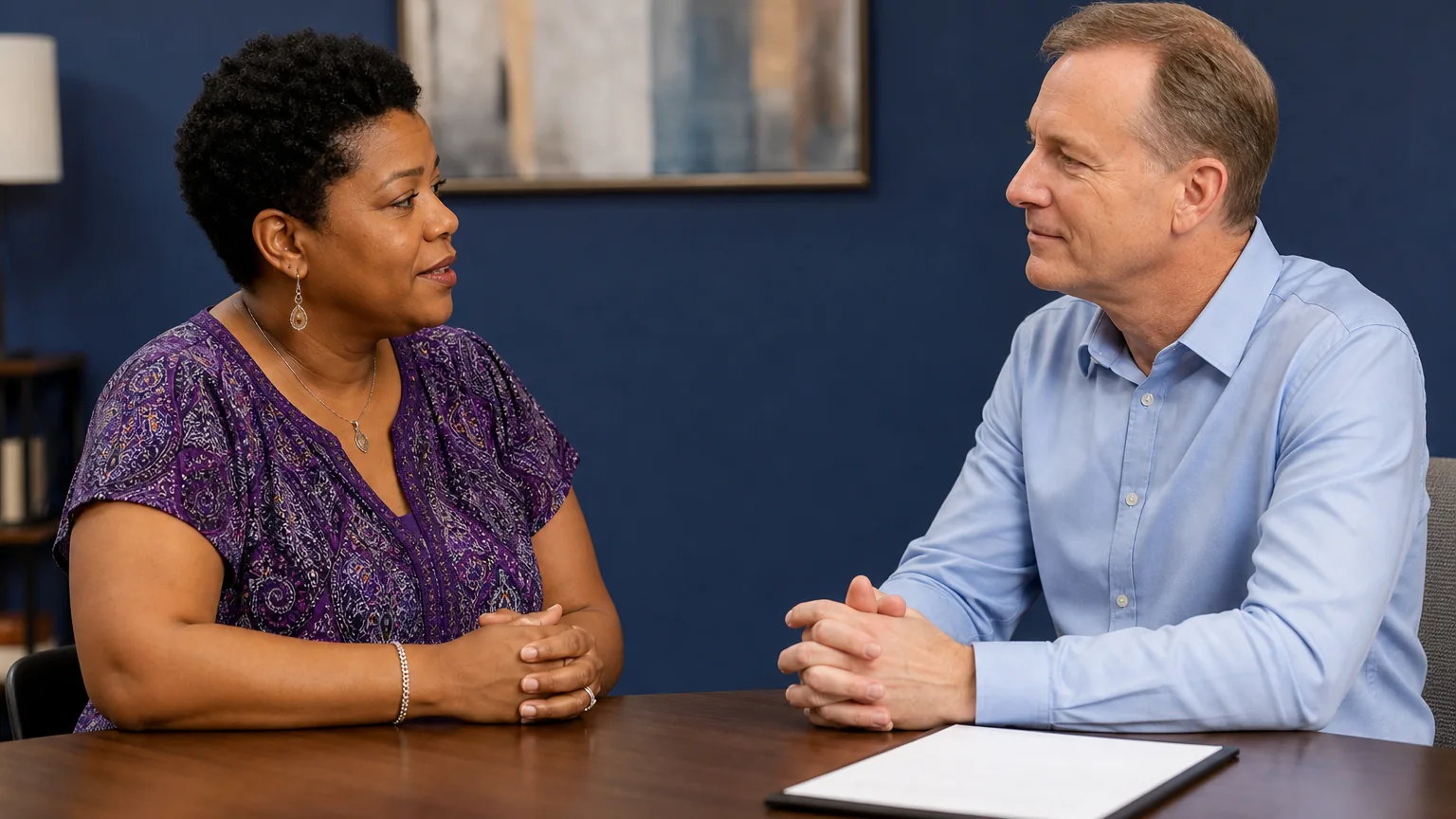
If cost is the main obstacle, begin with an examination plan and a clear explanation of charges. Request written estimates for recommended work and clarification about which steps are urgent, which can be staged, and what the estimate includes. Clinical urgency should come from the dentist, not from an assumption that the cheapest step must always come first.
NIDCR identifies dental schools, community health centers, and state or local resources as possible places to explore lower-cost care. Availability and eligibility vary. Contact each service directly rather than assuming that a resource listing guarantees an appointment or financial assistance. NIDCR guidance on finding dental care.
Keep dental coverage verification separate from recovery-treatment coverage. A plan's handling of one service does not establish its handling of another. Verify the dental office, proposed service, and expected out-of-pocket cost through the appropriate office and coverage source before making financial commitments when possible.
For scheduling, write down the actual appointment length, travel time, and any recovery-treatment commitments on the same calendar. If a conflict appears, contact the relevant office early. Do not silently skip one appointment because the other feels more urgent to explain.
Choose a backup for a predictable obstacle. If your usual ride is unavailable, know which person or service you will contact. If you rely on reminders, save the office number under a recognizable name. These small arrangements help turn a booked appointment into an attended one without requiring you to reorganize your entire life.
Connect dental follow-through with recovery support
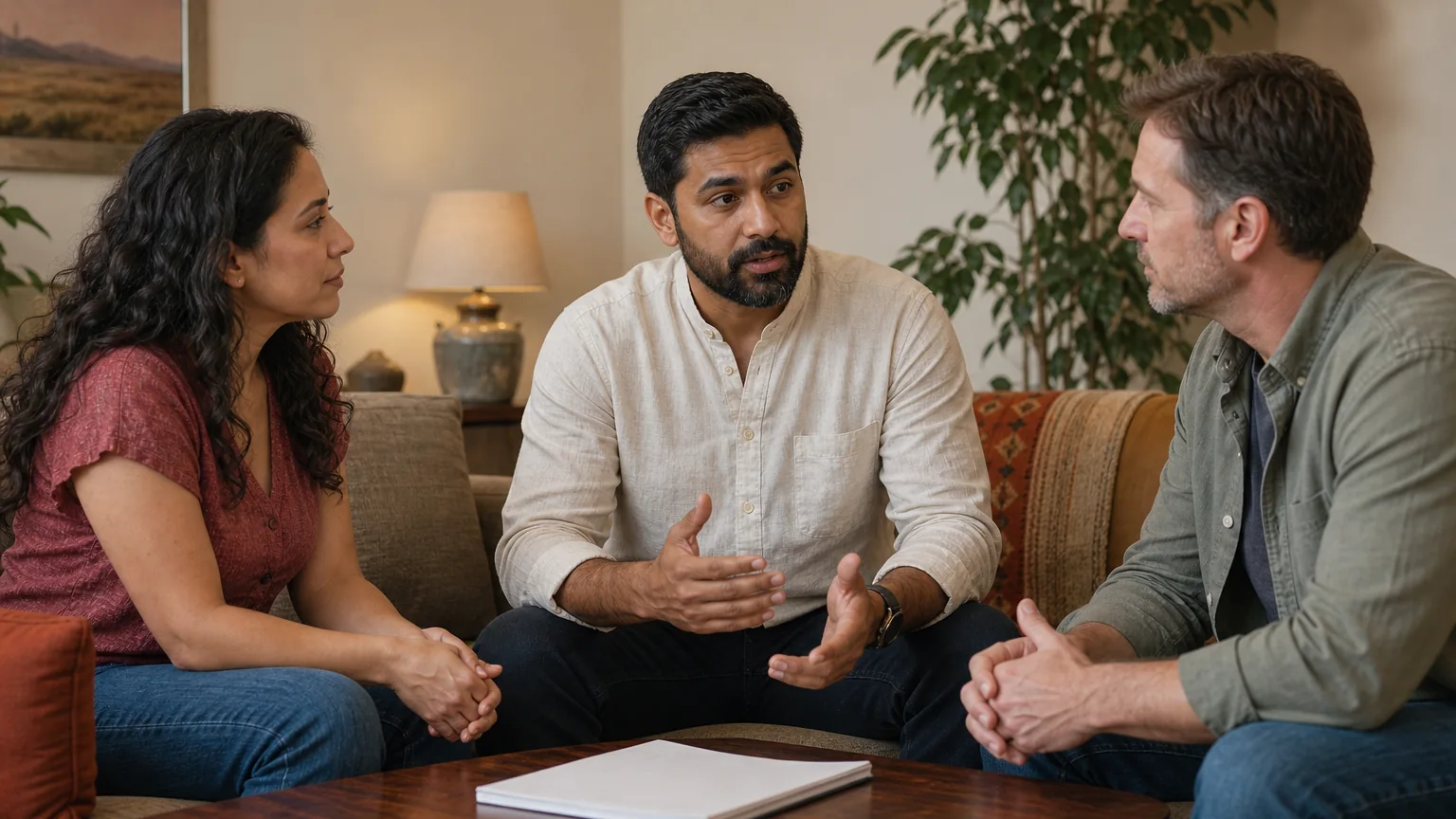
Dental needs can become part of an ordinary recovery planning conversation. A counselor or peer supporter may help you break a task into steps, discuss embarrassment, or review a scheduling barrier. That support does not make them a substitute for a dentist.
Choice Recovery Path describes adult outpatient services in Albuquerque and Las Cruces, including an intensive outpatient program. To discuss current outpatient options and whether they fit your needs, use Choice's admissions page. Dental services, dental coverage, and dental appointments must be confirmed with an appropriate dental provider.
For this week, choose one unfinished step: describe a symptom to a dental office, update your medication list, obtain basic supplies, or confirm an appointment. Write down the next action and who is responsible. The goal is a workable connection to dental care, not a perfect record of past habits.
Frequently asked questions

Do I need to finish recovery treatment before seeing a dentist?
You can contact a dental professional while receiving recovery support. Describe current symptoms and medications so the dental team can plan appropriately and coordinate with other clinicians when needed.
Should I stop a medicine if it seems to cause dry mouth?
Do not stop or change prescribed treatment on your own. Tell your prescriber and dentist about persistent dryness so they can assess the cause and discuss suitable options.
What if I feel embarrassed about a long gap in dental care?
Use a short explanation that focuses on the present: you are returning to care and need an assessment. You can also explain anxiety, request clear instructions, and discuss practical barriers before the visit.
Can my recovery counselor arrange dental treatment?
A counselor may help you work through planning barriers, but dental assessment and treatment belong with dental professionals. Any referral help or coordination should be confirmed directly rather than assumed.
What belongs on a dental visit medication list?
Include current prescriptions, over-the-counter products, supplements, allergies, and relevant prescriber contact information. Include recovery medications and mark uncertain details for clarification rather than guessing.