Understanding addiction education classes in Las Cruces
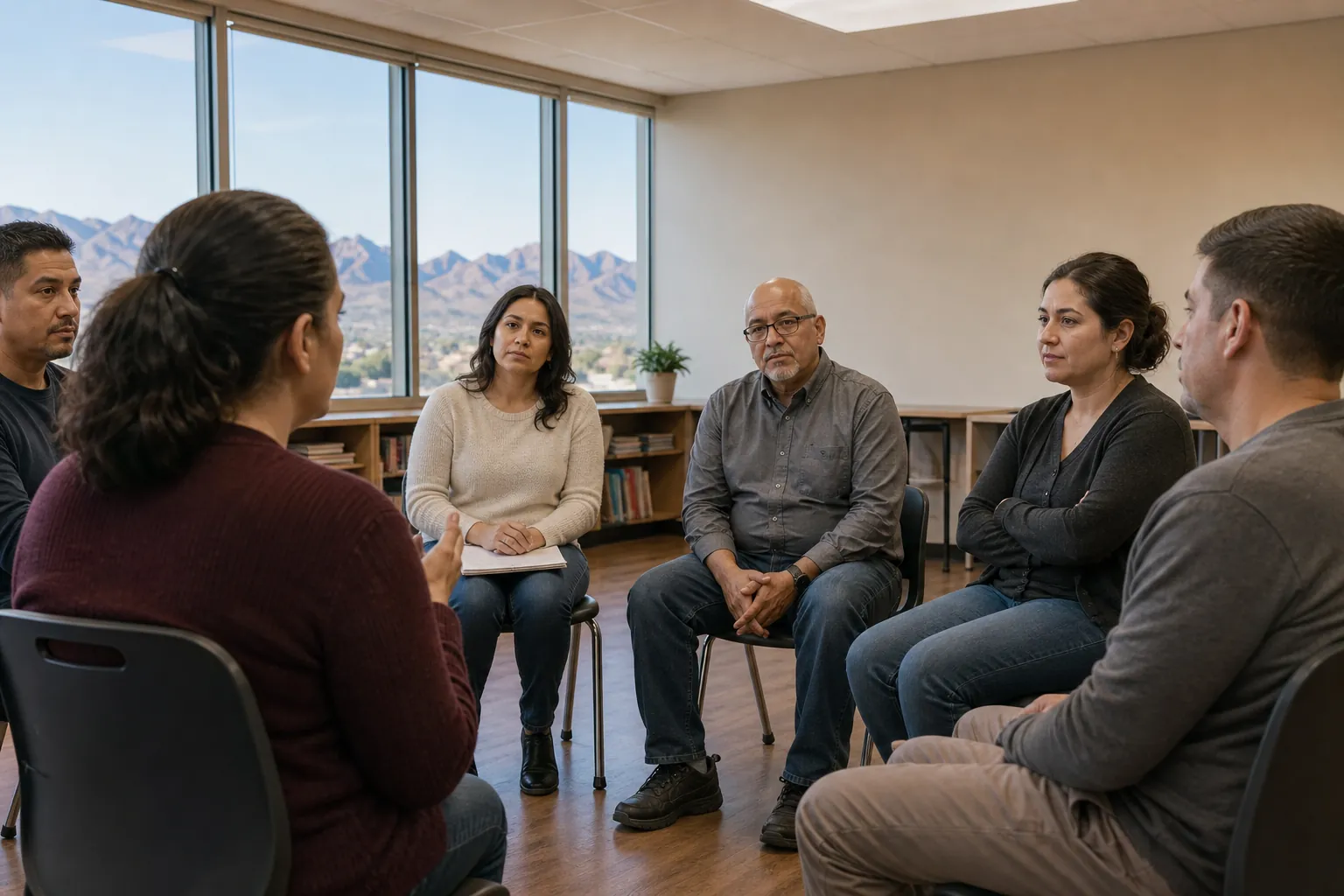
Learning about substance use can be an important step toward healthier decisions. Addiction education classes in Las Cruces give individuals and families a structured place to understand how alcohol and drugs affect the brain, behavior, relationships, and daily life. They can also help participants identify risks and consider practical ways to prevent future harm.
At Choice Recovery Path, education is approached with respect. People arrive with different experiences, concerns, and goals, so effective support should not rely on shame or judgment. Instead, it should offer clear information, encourage honest reflection, and help each participant determine what comes next.
What addiction education classes are designed to do
Addiction education is not simply a list of rules about substances. A useful class explains why patterns develop, how consequences can increase over time, and what factors may make change difficult. Participants can examine their own choices while learning concepts that apply to substance use more broadly.
Classes may be appropriate for someone who wants reliable information, has experienced a substance-related consequence, or has been encouraged to participate by a family member, employer, attorney, court, or other organization. Requirements vary, so prospective participants should confirm that a particular program fits their situation before enrolling.
Education can support awareness, but it is not automatically a substitute for clinical treatment. Some people may benefit from a more complete assessment or additional services. A responsible provider should explain the distinction and help participants understand available options without making assumptions about their needs.
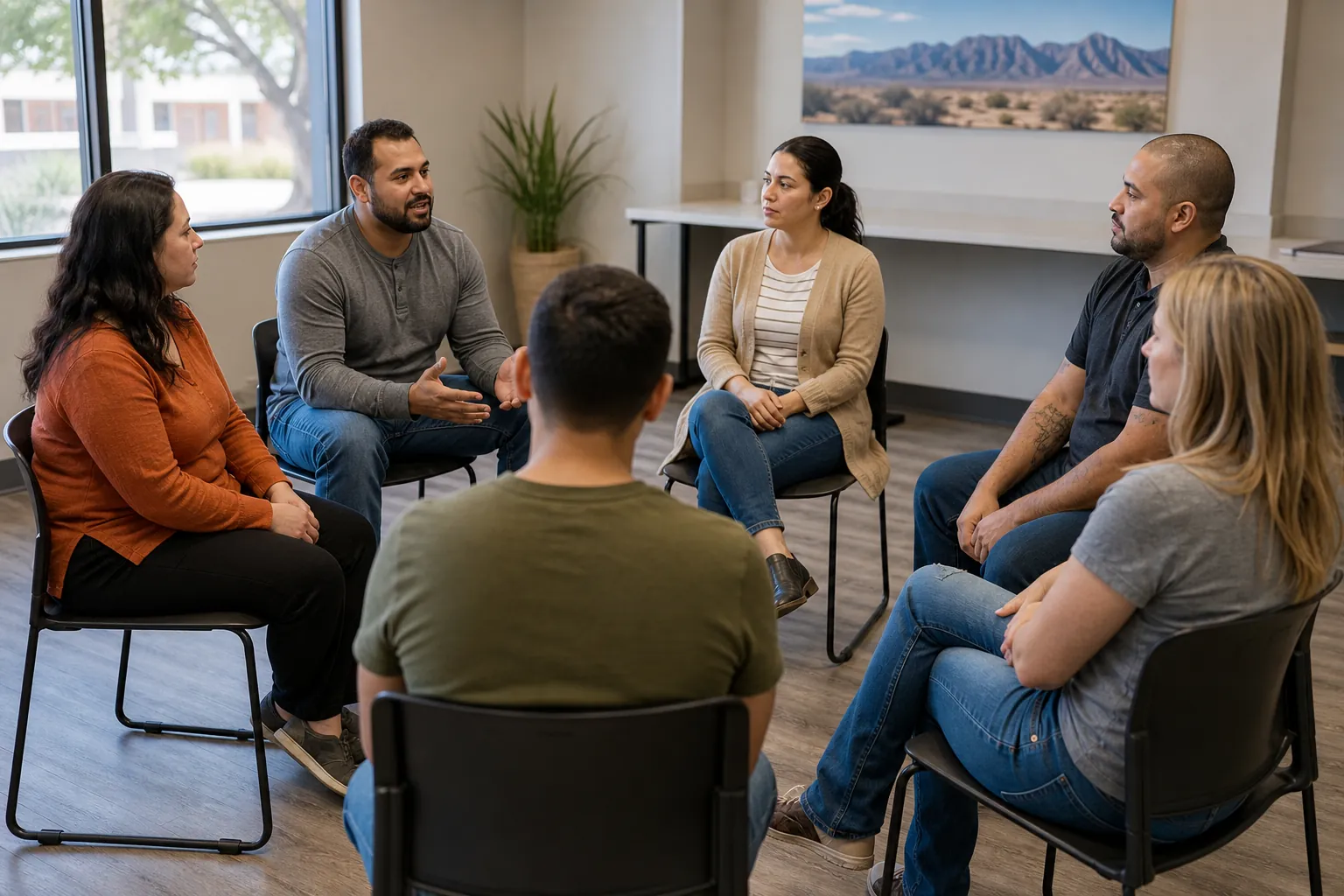
Topics participants may explore
Curricula can vary by class format and participant needs. Most programs focus on practical knowledge that people can apply outside the classroom. The goal is to connect information with real situations, including stress, social pressure, family conflict, work demands, and access to substances.
Common areas of discussion may include:
- Effects on the brain and body: How alcohol and other drugs can influence judgment, coordination, mood, sleep, and physical health.
- Tolerance and withdrawal: What these terms mean and why stopping certain substances without medical guidance can present safety concerns.
- Risk and protective factors: Personal, family, social, and environmental influences that may increase risk or support healthier choices.
- Patterns and consequences: How to recognize links between substance use and problems involving health, relationships, employment, finances, or the law.
- Triggers and coping skills: Ways to anticipate difficult situations and develop alternatives for managing stress, cravings, or social pressure.
- Communication and support: Strategies for setting boundaries, asking for help, and talking with trusted people about change.
- Recovery resources: An overview of counseling, treatment, peer support, medical care, and community-based options.
Quality classes create room for questions and avoid presenting complex experiences as personal failures. Accurate information, practical exercises, and respectful discussion can make lessons more relevant and easier to use.

How to choose a class in Las Cruces
Not every program serves the same purpose. Before registering, ask who facilitates the class, what topics are included, how long it lasts, and whether attendance documentation is available. If participation is connected to a legal, employment, or administrative requirement, verify acceptance with the referring organization in advance.
It is also helpful to ask about scheduling, fees, missed-session policies, accessibility, and privacy practices. Residents of Las Cruces and surrounding New Mexico communities may need options that accommodate work, school, transportation, caregiving, or other responsibilities. A realistic schedule improves the chance that participants can attend consistently and engage fully.
Look for communication that is clear and professional. Staff should be willing to explain what the program provides, what it does not provide, and whether another level of support may be more appropriate. Avoid services that promise guaranteed outcomes or treat one course as the right answer for everyone.
Education, assessment, and treatment are different
Understanding the differences among services can prevent confusion. An educational class generally provides information, reflection, and prevention-oriented skills. An assessment gathers more detailed information about substance use, health, safety, and functioning to help identify suitable recommendations. Treatment addresses diagnosed or significant substance-related concerns through a more comprehensive plan.
A person may begin with education and later decide to seek an assessment. Another individual may already know that counseling, medical support, or structured treatment is needed. There is no value in minimizing serious warning signs. Repeated loss of control, dangerous withdrawal symptoms, overdose history, worsening mental health, or major disruption at home or work may signal a need for prompt professional attention.
Alcohol or drug withdrawal can sometimes be medically dangerous. Anyone with severe symptoms, confusion, seizures, breathing problems, loss of consciousness, or immediate risk of harm should seek emergency medical care rather than wait for a class.
How families can support the learning process
Substance use often affects more than one person. Family members may feel worried, frustrated, or unsure how to help. Education can give loved ones a more accurate understanding of addiction while clarifying the limits of what they can control.
Support can include listening without interrupting, encouraging attendance, recognizing progress, and maintaining clear boundaries. It should not require ignoring unsafe behavior or absorbing every consequence. Family members may also benefit from counseling, peer groups, or educational resources focused on their own well-being.
Conversations tend to be more productive when they focus on specific observations rather than labels. Calm statements about missed responsibilities, safety concerns, or changes in behavior can reduce defensiveness. Choosing a private time when everyone is sober and relatively calm may also help.
Preparing for your first class
Participants can prepare by gathering any referral documents, confirming payment and attendance details, and writing down questions. Arriving with an open mind is helpful, but no one needs to have every goal figured out before beginning. The first objective may simply be to listen, learn, and take an honest look at current circumstances.
Progress can be practical and gradual. A participant might identify a high-risk situation, make a transportation plan, schedule an assessment, talk with a supportive family member, or remove substances from the home. Small actions can build confidence when they are specific and realistic.
Take a thoughtful next step
Addiction education can provide useful knowledge, language, and direction at a time when the next step feels uncertain. The right setting should help participants better understand risk, recognize choices, and connect with appropriate support when needed.
If you are exploring addiction education classes in Las Cruces, contact Choice Recovery Path to ask about services, scheduling, and whether the available program aligns with your needs. Call (505) 526-3649 for a calm, confidential conversation about possible next steps in New Mexico.
Call (505) 526-3649 to talk through next steps.