
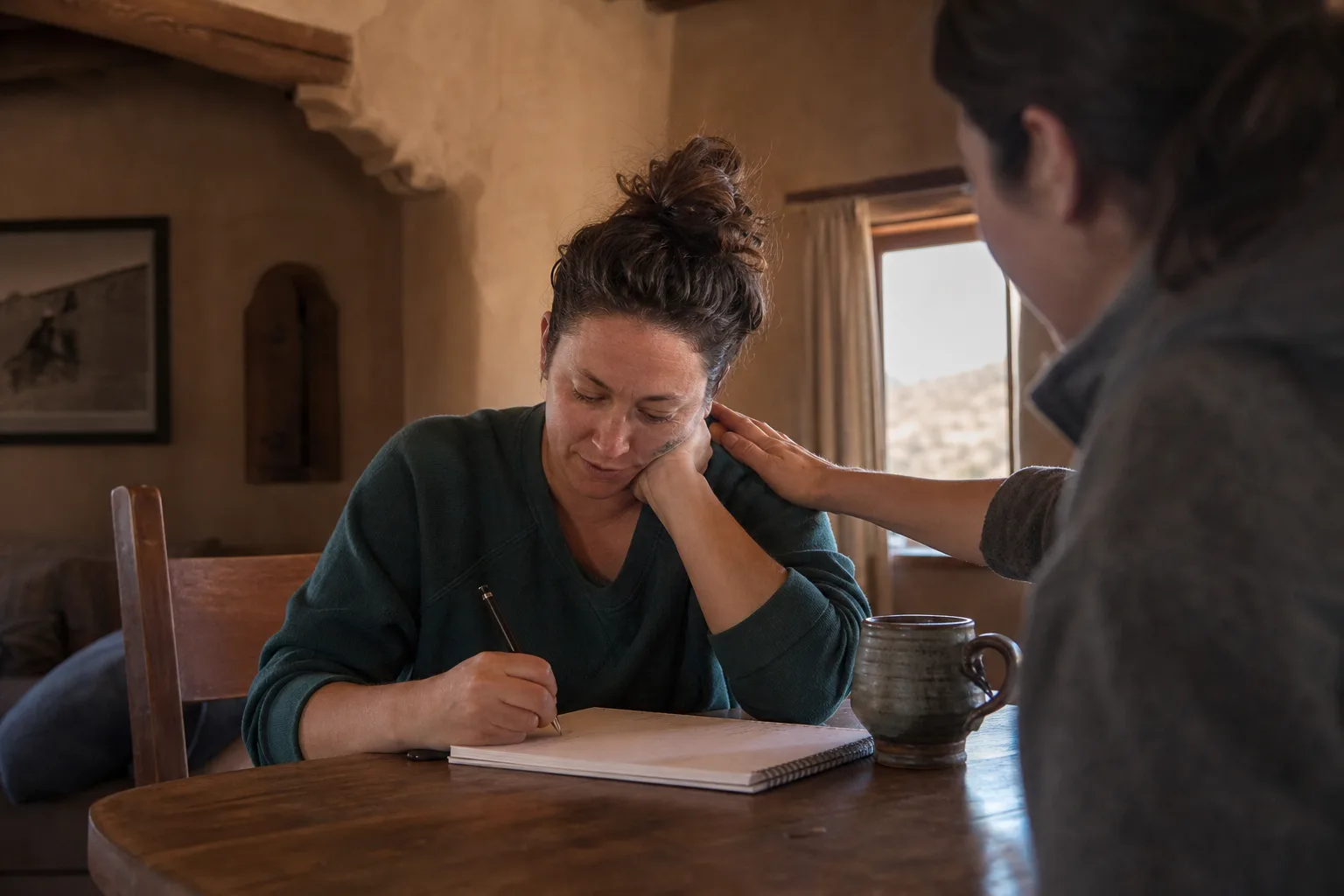
CBT for anhedonia after quitting stimulants is often discussed in addiction treatment because early recovery can bring low motivation, flat mood, and a hard time enjoying daily life. At Choice Recovery Path in Albuquerque, these concerns may be explored within an intensive outpatient program (IOP) that includes weekly group and individual therapy, early recovery skills, peer support, life skills, aftercare planning, and access to medical provider support and medication-assisted treatment when appropriate. If you are wondering whether CBT for anhedonia after quitting stimulants is part of your care plan, or whether a referral would make sense, you can ask the Choice team when you call for the current schedule. If you are in immediate danger or worried about self-harm, call 911 or 988 right away.
Why can life feel empty after stopping stimulants?
After quitting stimulants, some people feel a painful lack of interest, motivation, or enjoyment. This can feel confusing, especially if they expected to feel better once the drug was out of their system. Instead, music may sound dull, food may not taste the same, and even people they love may feel far away. This loss of pleasure is often called anhedonia. It can happen during recovery and may leave a person scared that they are “broken” or that nothing will matter again. Ask about the Choice intensive outpatient program (IOP) and outpatient addiction treatment in Albuquerque.
That fear can be intense, but a flat emotional state does not automatically mean recovery is failing. The brain and body may need time to adjust after stimulant use, and daily life can feel very different without the rush or energy the substance once created. During this period, people may also struggle with sleep, stress, shame, or co-occurring depression symptoms connected to substance use. Support matters here, because hopeless thoughts can make it harder to keep going and to ask for help.
Families often see this as withdrawal, laziness, or “not trying.” In reality, the person may be working very hard just to get through the day. Gentle structure, patience, and clear communication can help. It is also important to watch for warning signs like talk of giving up, self-harm, or feeling unable to stay safe. In an emergency, call 911. For mental health crisis support, call or text 988.
- Common experiences include feeling emotionally numb or flat.
- Pleasure from normal activities may seem absent for a while.
- Small tasks can feel heavy, slow, or pointless.
- Fear of “this will never get better” is common.
- Support from family and treatment can help reduce isolation.
How can CBT for anhedonia after quitting stimulants help?
CBT for anhedonia after quitting stimulants looks at the link between thoughts, actions, and mood. In simple terms, it helps people notice patterns like “Nothing feels good, so there is no point in doing anything.” That thought can lead to staying in bed, avoiding others, and dropping healthy routines. Those choices can make life feel even more empty. CBT tries to interrupt that cycle with practical steps, not by pretending everything is fine, but by testing what may help a person function and reconnect.
A CBT approach may include tracking daily habits, noticing all-or-nothing thinking, and setting small goals that are realistic for early recovery. For example, instead of waiting to feel motivated, a person might try one short activity at the same time each day, then notice what happened before, during, and after. The goal is not instant joy. The goal is to create enough movement and structure that the nervous system has a chance to settle and life can start to feel livable again.
If you are considering care, you can ask the admissions or clinical team at Choice Recovery Path whether CBT is available and whether it fits your needs. You can also ask how the program addresses co-occurring mental health concerns in the context of substance use recovery, and whether a referral to another level of care may be more appropriate. Treatment planning should be personal, careful, and based on what is going on right now.
- Notice hopeless thoughts without treating them as facts.
- Build a simple daily routine, even when motivation is low.
- Test small actions instead of waiting for pleasure first.
- Track patterns in sleep, stress, cravings, and mood.
- Practice realistic self-talk during difficult moments.
Addiction Treatment and IOP at Choice Recovery Path
Choice Recovery Path offers addiction treatment in Albuquerque, New Mexico for adults who want structured support while living at home. Its intensive outpatient program (IOP) in Albuquerque brings weekly group and individual therapy, early recovery skills, and practical tools for change into daily life.
- What IOP looks like: regular group work and one-to-one therapy, with peer support, life skills, medical provider support and medication-assisted treatment that may be part of care.
- Who it is for: adults who need more structure than standard outpatient care, people stepping down from inpatient or residential treatment, and people starting care in the community.
- Schedule: sessions fit around work and home life. Call for the current IOP schedule, program length and openings.
Call (505) 526-3649, verify your insurance, or start admissions to ask whether IOP or outpatient addiction treatment fits your needs.
For the full overview, start with CBT For Depression In Recovery. Related reading: Behavioral Activation For Depression In Recovery, CBT For Hopeless Thoughts After Relapse.
What does a slow return of pleasure often look like?
One of the hardest parts of anhedonia is that progress can be quiet. People often expect a clear moment when everything feels normal again. More often, change shows up in small ways: getting out of bed a little earlier, laughing for a second, finishing a meal, or noticing the New Mexico evening light. These moments can seem too minor to count, but they matter. Recovery from emotional flatness is often uneven, with better days, hard days, and days that feel unchanged.
This is one reason structured reflection can help. When people write down what they did and how they felt before and after, they may start to see signs of movement that are easy to miss. Families can support this by looking for effort rather than demanding proof that the person is “happy again.” Pressuring someone to feel grateful or positive can backfire. What helps more is calm encouragement, consistency, and room for honest conversation without shame.
| What someone may notice | Why it can matter |
|---|---|
| A short walk feels slightly more manageable | Energy and engagement may be starting to shift |
| One task gets done without as much delay | Routine can support recovery even before enjoyment returns |
| A brief laugh or sense of connection appears | Pleasure may return in small moments before it feels steady |
| Cravings or hopeless thoughts are easier to talk about | Honest communication can improve safety and support |
What can families do when a loved one says, “I’ll never feel normal again”?
It can be painful to hear someone you love speak with that much hopelessness. Family members often want to fix it fast, argue with the thought, or push the person to “just get out more.” Usually, a softer response works better. Try to listen first. You do not have to agree that things will never improve, but you can acknowledge that the person is hurting right now. Feeling heard may lower some of the pressure and make it easier for them to accept support.
Families can also help with the basics. Rides to appointments, regular meals, a quieter home environment, and simple routines can reduce stress during recovery. It is also wise to ask direct safety questions if you are worried. Asking whether someone is thinking about self-harm does not put the idea in their head. If there is immediate danger, call 911. If the situation is urgent but not life-threatening, call or text 988 for crisis support and guidance.
- Use calm, simple language and listen more than you lecture.
- Focus on the next safe step, not a perfect long-term plan.
- Support meals, sleep routines, and appointment follow-through.
- Watch for isolation, giving away belongings, or goodbye talk.
- Reach out for urgent help through 988 or 911 when needed.
When should someone seek treatment or ask about a higher level of care?
If flat mood, loss of pleasure, cravings, or shutdown are making it hard to work, care for children, stay sober, or manage daily life, it may be time to ask about treatment. Outpatient care and intensive outpatient programs can offer structure and support while a person continues living at home. For some people, that level of care may fit well. For others, especially if safety is a concern, a different level of care may be a better match. A clinical assessment can help sort that out.
At Choice Recovery Path, adults and families in Albuquerque and Las Cruces can call (505) 526-3649 to ask about options, scheduling, and what support may fit their situation. You can ask whether CBT is available, how the team addresses co-occurring mental health symptoms alongside substance use, and whether a referral is recommended. Reaching out does not lock anyone into a plan. It can simply be the first step toward understanding what kind of help may be useful right now.
If someone cannot stay safe, is severely confused, or talks about suicide or self-harm, do not wait for a routine appointment. Call 911 for immediate danger. Call or text 988 for urgent mental health support. Fast help is especially important when stimulant recovery is mixed with hopelessness, panic, or major changes in thinking or behavior.
Ready to talk through next steps? Call Choice Recovery Path at (505) 526-3649 or explore IOP at Choice Recovery Path and Choice addiction treatment services.
Frequently Asked Questions
Is anhedonia the same as depression?
Not exactly. Anhedonia means reduced ability to feel pleasure, and it can show up in several situations, including recovery from stimulant use. Some people also have co-occurring depression symptoms connected to substance use, which is one reason a careful clinical assessment can be helpful.
How long does emotional numbness last after quitting stimulants?
It varies from person to person. Some people notice small changes earlier, while others feel flat for longer and need more structure and support. If symptoms are severe, getting worse, or affecting safety, it is important to seek professional help rather than waiting it out alone.
Can family members make things worse by pushing too hard?
Yes, sometimes pressure can increase shame or hopelessness. Encouragement usually works better when it is specific, calm, and focused on one manageable step at a time. Listening and helping with routine can be more useful than arguing about how the person should feel.
What if someone in recovery says they do not enjoy anything, even things they used to love?
That can happen during recovery and can feel scary. It does not automatically mean they will always feel this way, but it is a sign that support may be needed. Encourage them to talk with a treatment professional, especially if they are isolating, struggling to function, or talking about giving up.
Can IOP help when anhedonia shows up after quitting stimulants?
An IOP can provide structure and support during early recovery, which may matter when life feels flat after stimulant use. At Choice Recovery Path in Albuquerque, people can ask how weekly group and individual therapy, recovery skills, peer support, and medical provider support may fit their needs, and whether a referral for additional care would be appropriate.
How does addiction treatment address anhedonia after stimulant use?
Addiction treatment may focus on daily routines, recovery skills, support systems, and ways to respond safely to hopeless or discouraged thinking while the brain and body adjust. At Choice Recovery Path, you can ask whether CBT for anhedonia after quitting stimulants is part of your care or whether another approach or referral may be a better fit.
Sources
- SAMHSA: www.samhsa.gov/substance-use/treatment
- National Institute on Drug Abuse (NIH): nida.nih.gov/research-topics/comorbidity
- National Institute of Mental Health (NIH): www.nimh.nih.gov/health/topics/psychotherapies
- SAMHSA: www.samhsa.gov/mental-health/988
Call (505) 526-3649 to talk through next steps.