
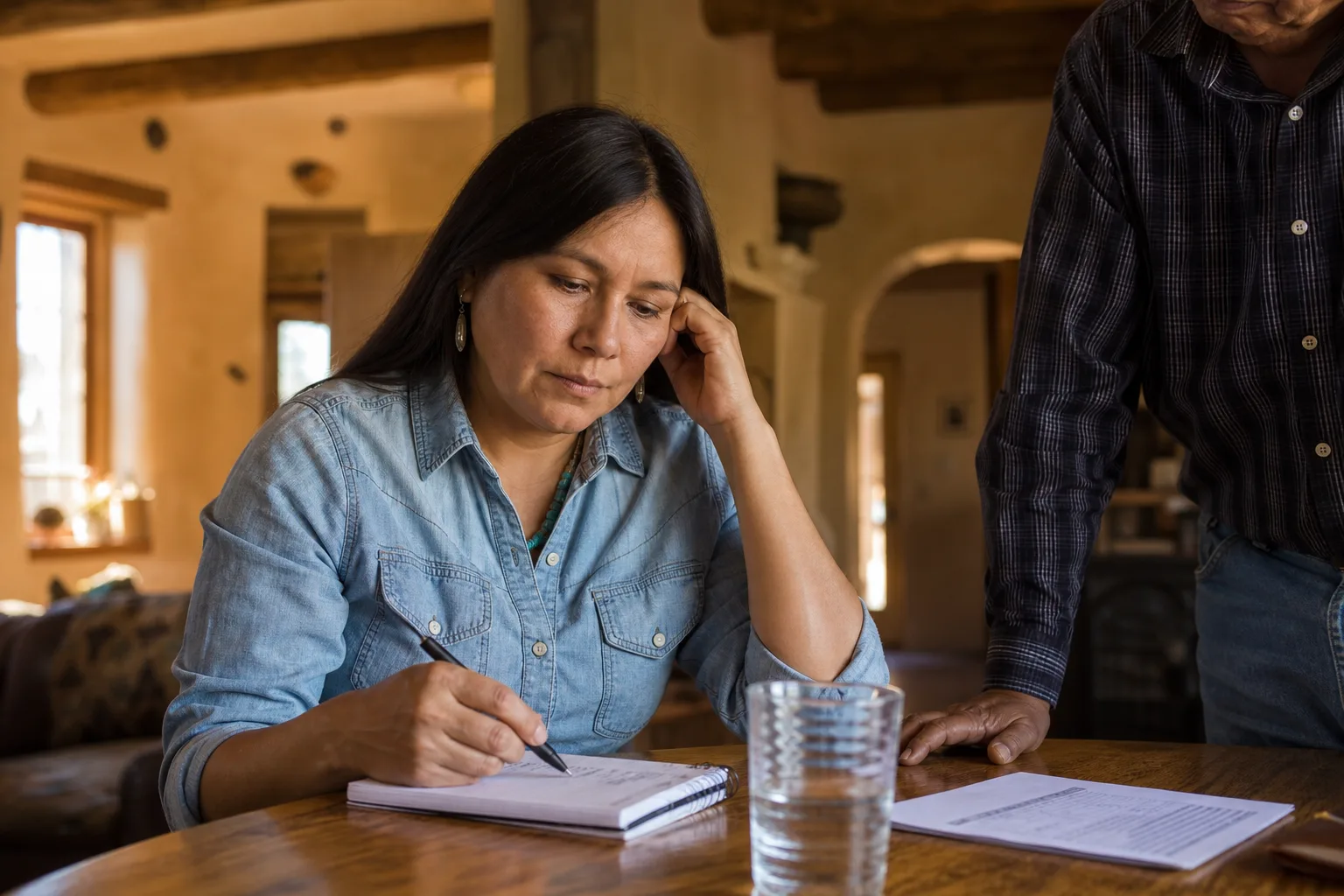
CBT treatment after residential rehab is a topic many people ask about as they move into ongoing addiction treatment and daily routines at home. At Choice Recovery Path in Albuquerque, people stepping down from a higher level of care can explore outpatient treatment or an intensive outpatient program (IOP) that includes weekly group and individual therapy, early recovery skills, peer support, medical provider support and medication-assisted treatment, life skills, and aftercare planning. If you want to know whether CBT treatment after residential rehab may be part of your care, you can ask the Choice admissions or clinical team how services are structured and whether IOP may fit your needs. You can also ask whether another referral would make sense for your situation.
What is CBT treatment after residential rehab, and why do people look for it?
Leaving residential rehab can bring relief, hope, and a lot of uncertainty at the same time. In residential care, the day usually has structure, support, and fewer outside distractions. Once a person returns home, real-life stress can come back quickly. CBT treatment after residential rehab is one way people look for continued support as they step down into outpatient care or an intensive outpatient program. The goal is not perfection. It is to keep building skills for daily life, one situation at a time. Ask about the Choice intensive outpatient program (IOP) and outpatient addiction treatment in Albuquerque.
CBT stands for cognitive behavioral therapy. In simple terms, it helps people notice patterns between thoughts, feelings, and actions. After residential treatment, that can matter because cravings, shame, conflict, and routine stress may show up in new ways. CBT may help a person slow down, identify a trigger, and choose a safer response before things spiral. It can also support people who are dealing with mental health concerns alongside substance use, which is often called co-occurring care.
People often search for step-down support because they do not want treatment to stop the moment residential rehab ends. They may want regular therapy, group support, accountability, and a plan for common setbacks. Outpatient care and IOP can offer more structure than trying to manage everything alone, while still allowing a person to live at home. If someone is unsure what level of care fits, it is okay to ask direct questions about schedule, structure, safety planning, and how progress is reviewed over time.
- A bridge between residential care and everyday life
- A way to practice coping skills in real situations
- Support for triggers, cravings, and stress
- Structured care while living at home
- A place to talk about co-occurring mental health concerns and substance use together
How can CBT help during step-down care at home, work, or school?
The first weeks after residential treatment can feel uneven. A person may be proud of the progress they made and still feel uneasy about going back to regular responsibilities. CBT treatment after residential rehab often focuses on what happens in the hours and places where old habits used to happen. That might include the drive home from work, being alone at night, arguments with family, money stress, or seeing people connected to past substance use. Naming those moments clearly can make them easier to plan for.
CBT is usually practical. Instead of only talking in broad terms, it often breaks a hard situation into smaller parts: what happened, what someone thought, how they felt, what they did next, and what they could try next time. That process can help a person move away from all-or-nothing thinking. For example, one painful day does not have to mean treatment failed. A rough moment can become information that helps the next plan work better.
This kind of therapy can also support daily functioning. People leaving residential care may be rebuilding sleep routines, work attendance, parenting responsibilities, or basic self-care. If someone also has anxiety, depression, bipolar disorder, OCD, trauma-related symptoms, or another mental health concern along with substance use, continued treatment planning matters. A qualified clinician can help assess needs and discuss whether CBT, another approach, medication support, or a referral may be appropriate. In an emergency or if someone may harm themselves or others, call 911 or 988 right away.
- Spotting triggers before they become crises
- Challenging thoughts like “I already messed up, so why try?”
- Practicing coping skills for cravings and stress
- Planning for high-risk times of day or week
- Building routines around sleep, meals, work, and support
Addiction Treatment and IOP at Choice Recovery Path
Choice Recovery Path offers addiction treatment in Albuquerque, New Mexico for adults who want structured support while living at home. Its intensive outpatient program (IOP) in Albuquerque brings weekly group and individual therapy, early recovery skills, and practical tools for change into daily life.
- What IOP looks like: regular group work and one-to-one therapy, with peer support, life skills, medical provider support and medication-assisted treatment that may be part of care.
- Who it is for: adults who need more structure than standard outpatient care, people stepping down from inpatient or residential treatment, and people starting care in the community.
- Schedule: sessions fit around work and home life. Call for the current IOP schedule, program length and openings.
Call (505) 526-3649, verify your insurance, or start admissions to ask whether IOP or outpatient addiction treatment fits your needs.
For the full overview, start with CBT Treatment In Outpatient Recovery. Related reading: What Happens In A CBT Session For Addiction, CBT Treatment Plan Goals For Substance Use.
What should you ask when choosing outpatient or IOP after rehab?
Not every person needs the same amount of structure after residential care. Some people do well with weekly outpatient visits. Others benefit from the added support of an intensive outpatient program, especially if cravings, home stress, transportation issues, or co-occurring mental health symptoms are making the transition harder. A careful conversation with an admissions or clinical team can help you understand what is offered, how often services meet, and what kind of support is available between sessions.
If you are speaking with Choice Recovery Path, you can ask whether CBT treatment after residential rehab is available and whether outpatient or IOP may fit your situation. You can also ask how the program coordinates with discharge plans from residential rehab, whether family involvement is part of care, and how staff respond if someone starts struggling again. The goal is not to find a perfect program on paper. It is to find a realistic next step that matches current needs and safety concerns.
- How many days or hours of treatment are recommended at this stage?
- How does the program help with relapse-prevention planning?
- How are co-occurring mental health concerns addressed along with substance use?
- Can family members be included in parts of care or education?
- What should I do if symptoms get worse or I miss sessions?
- If a service is not available, can the team discuss a referral?
| Question | Why it matters |
|---|---|
| What level of care fits me now? | The right amount of structure can support safety and follow-through. |
| Is CBT available here? | It helps to know whether this approach is offered or whether a referral is needed. |
| How will my home stressors be handled? | Daily life challenges often affect recovery after discharge. |
| What is the plan if I start slipping? | Early response can matter when cravings or setbacks increase. |
What does family support look like without taking over?
Families often feel pulled in two directions after a loved one comes home from residential rehab. They want to help, but they may also feel tired, worried, or unsure what helps versus what adds pressure. CBT treatment after residential rehab can work better when the home environment becomes more predictable and less reactive. That does not mean families have to become therapists. It means learning how to communicate clearly, support healthy routines, and respond to warning signs without panic or blame.
It can help when family members focus on concrete steps instead of long arguments about the past. For example, a family might agree on transportation to sessions, medication reminders if prescribed by a clinician, a quieter evening routine, or a plan for what to do if cravings rise. Families can also ask what kind of education or participation may be available. If a certain service is not offered, the treatment team may be able to discuss whether a referral makes sense.
Boundaries matter too. Supporting recovery is not the same as trying to control every choice. Loved ones can care deeply and still say no to unsafe behavior in the home. They can encourage treatment attendance while remembering that recovery belongs to the person doing the work. If someone becomes acutely unsafe, confused, or talks about suicide or harming others, call 911 or 988 immediately. Quick action in a crisis is a form of care, not punishment.
- Use calm, direct language instead of threats or lectures
- Talk about plans for evenings, weekends, and other high-risk times
- Ask how to support treatment goals without micromanaging
- Know emergency steps for safety concerns
- Take care of your own stress and support needs too
How do you know when more support may be needed after discharge?
Recovery after residential rehab is rarely a straight line. Some ups and downs are part of the adjustment to home life. At the same time, it is wise to pay attention when stress is building. A person may start skipping support meetings or therapy, pulling away from safe people, sleeping very poorly, hiding substance use cues, or talking as if change no longer matters. These signs do not prove what is happening, but they can mean it is time to check in early rather than wait for a bigger crisis.
CBT treatment after residential rehab can be part of that early response because it gives people a place to review what changed, what thoughts are driving behavior, and what supports need to be strengthened. Sometimes that means increasing structure for a while. Sometimes it means adding family support, reviewing medications with a prescriber, or asking whether another level of care is needed. If you are in New Mexico and exploring next steps with Choice Recovery Path in Albuquerque or Las Cruces, you can call (505) 526-3649 to ask about options, availability, or whether a referral may fit better.
- Missing sessions or dropping out of routines
- More conflict, isolation, or secrecy
- Intense cravings or frequent trigger exposure
- Worsening mood or anxiety along with substance use risk
- Feeling unsafe or unable to get through the day without using
Ready to talk through next steps? Call Choice Recovery Path at (505) 526-3649 or explore IOP at Choice Recovery Path and Choice addiction treatment services.
Frequently Asked Questions
Do I need intensive outpatient after residential rehab, or is weekly outpatient enough?
It depends on how much structure you need right now. Things like cravings, home stress, transportation, work demands, and co-occurring mental health concerns can all affect that decision. A clinical assessment can help you compare outpatient and IOP based on your current situation, not just your past level of care.
Can CBT help if I feel ashamed after returning home?
Many people feel shame, guilt, or fear during the transition home. CBT may help by slowing down harsh thoughts and looking at what is actually happening, what support is missing, and what next step is possible today. That does not erase pain, but it can make change feel more manageable.
What if my loved one says they are fine and does not want more treatment?
That can be hard for families. You may not be able to force readiness, but you can stay calm, share specific concerns, encourage a professional conversation, and keep clear boundaries around safety. If there is an immediate danger, call 911 or 988.
Can CBT be used when mental health symptoms and substance use are both present?
Yes, treatment planning often needs to address both at the same time when they affect each other. A licensed clinician can help sort out what support may be needed and whether CBT or another approach fits best. If a service is not offered in one setting, ask whether a referral is appropriate.
How can IOP support someone after residential rehab?
IOP can offer continued structure while a person returns to work, family responsibilities, and home life after residential care. At Choice Recovery Path in Albuquerque, IOP includes weekly group and individual therapy, early recovery skills, peer support, medical provider support and medication-assisted treatment, life skills, and aftercare planning. For schedule details, call the program directly.
How does addiction treatment continue after residential rehab?
Addiction treatment after residential rehab often focuses on building routines, strengthening recovery skills, and staying connected to support as daily stressors return. Choice Recovery Path in Albuquerque offers outpatient care and an intensive outpatient program, and you can ask whether CBT is part of your care plan or whether a referral may be a better fit. The right next step depends on each person’s needs and clinical situation.
Sources
- SAMHSA: www.samhsa.gov/substance-use/treatment
- National Institute of Mental Health (NIH): www.nimh.nih.gov/health/topics/psychotherapies
- National Institute on Drug Abuse (NIH): nida.nih.gov/research-topics/comorbidity
- SAMHSA: www.samhsa.gov/mental-health/988
Call (505) 526-3649 to talk through next steps.