
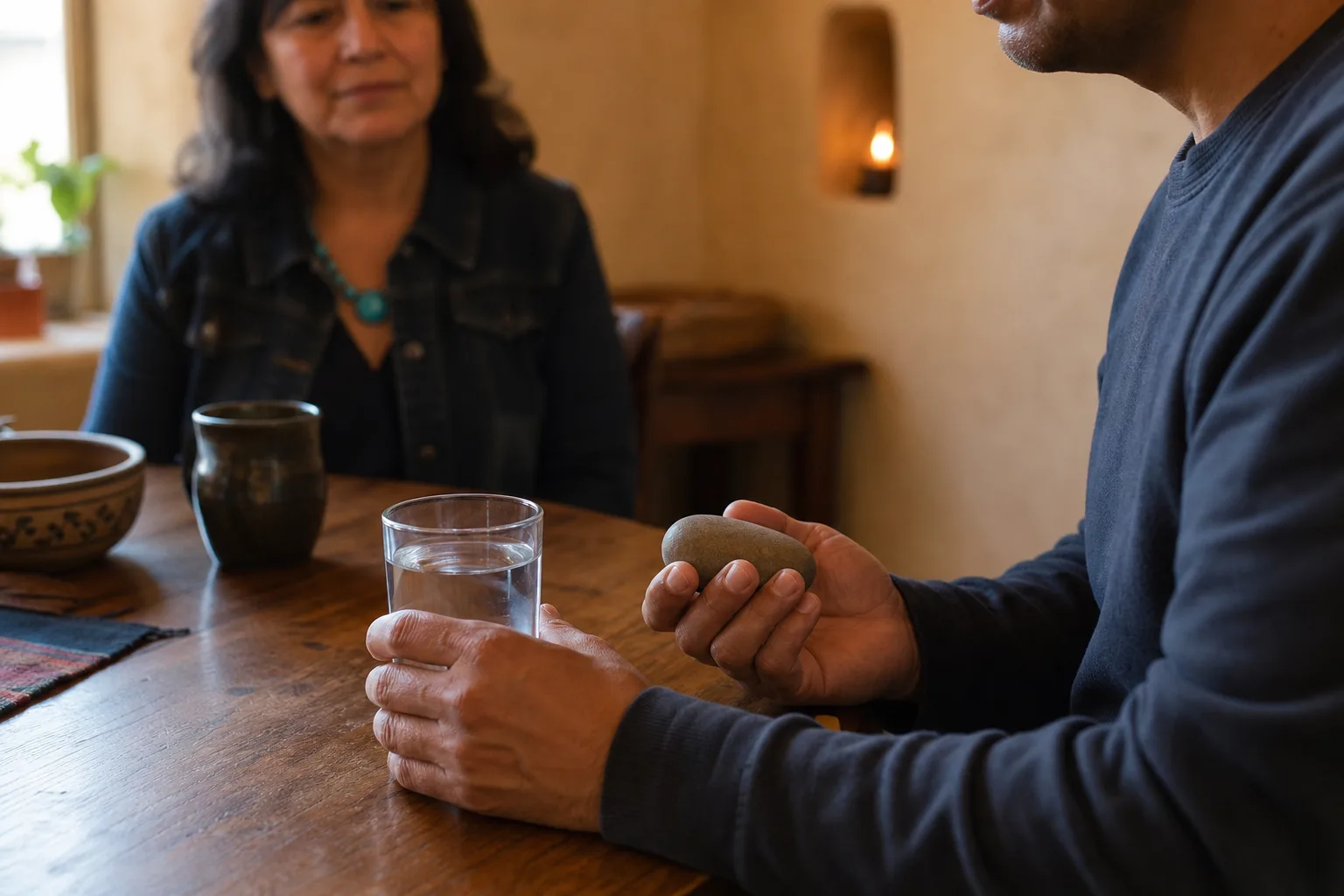
DBT skills for BPD and substance use urges can be useful in addiction treatment when intense emotions and pressure to use happen at the same time. In an Albuquerque IOP, people may work on practical ways to pause, ground themselves, ride out urges more safely, and reach for support before acting quickly. Choice Recovery Path offers outpatient addiction treatment and an intensive outpatient program with group therapy, individual therapy, early recovery skills, peer support, medical provider support and medication-assisted treatment, life skills, and aftercare. If you want to know whether approaches like this could be part of your care, or whether a referral would fit your needs, you can call Choice Recovery Path for the current schedule.
Why do intense emotions and substance use urges often show up together?
For some people, emotions can rise very fast and feel very strong. Fear, shame, anger, loneliness, or emptiness may hit all at once. When that happens, the urge to drink or use can feel like a quick way to get relief, shut feelings down, or escape conflict. This can be especially important to talk about when borderline personality disorder, or BPD, and substance use are both part of the picture. Mental health concerns and substance use can affect each other, which is often called co-occurring conditions. Ask about the Choice intensive outpatient program (IOP) and outpatient addiction treatment in Albuquerque.
When emotions and urges arrive together, the brain may push for immediate action instead of careful thinking. A person may feel torn between two truths: "I want this pain to stop now" and "I do not want the problems that come after using." That conflict is one reason DBT-based coping skills are often discussed in treatment settings. They aim to help people slow the moment down, stay safer, and get through the peak of emotion without making things worse. In an emergency, call 911. For mental health or substance use crisis support, call or text 988.
- Big feelings can make urges feel more urgent and harder to ignore.
- Substance use may seem like short-term relief, even when it leads to more problems later.
- Co-occurring mental health and substance use concerns often need care that looks at both together.
- A pause of even a few minutes can lower the chance of an impulsive choice.
What are the main DBT skills for BPD and substance use urges?
Many people first learn skills that help them survive the crisis part of the moment. These are often called distress tolerance skills. The goal is not to solve everything right then. The goal is to get through the next ten minutes, the next hour, or the rest of the evening without using, self-harming, or starting a fight that makes things worse. Grounding with the senses, slowing breathing, holding ice, stepping outside, or changing body position can help bring attention back to the present.
Another group of skills focuses on noticing thoughts, feelings, and urges without obeying them right away. People sometimes describe this as "urge surfing" or watching the urge rise, peak, and pass like a wave. Mindfulness can help someone say, "I notice an urge to use" instead of "I have to use right now." Emotion regulation skills may also be used to lower vulnerability over time by improving sleep, eating regularly, moving the body, and reducing extra stress where possible.
- Pause before acting: put time between the urge and the choice.
- Ground in the present: name five things you can see, hear, or feel.
- Use the body: slower breathing, cool water, walking, stretching, or holding something cold.
- Name the urge: notice it as an experience, not a command.
- Reach out: text or call a safe person, sponsor, family member, or support line.
Addiction Treatment and IOP at Choice Recovery Path
Choice Recovery Path offers addiction treatment in Albuquerque, New Mexico for adults who want structured support while living at home. Its intensive outpatient program (IOP) in Albuquerque brings weekly group and individual therapy, early recovery skills, and practical tools for change into daily life.
- What IOP looks like: regular group work and one-to-one therapy, with peer support, life skills, medical provider support and medication-assisted treatment that may be part of care.
- Who it is for: adults who need more structure than standard outpatient care, people stepping down from inpatient or residential treatment, and people starting care in the community.
- Schedule: sessions fit around work and home life. Call for the current IOP schedule, program length and openings.
Call (505) 526-3649, verify your insurance, or start admissions to ask whether IOP or outpatient addiction treatment fits your needs.
For the full overview, start with DBT For BPD In Albuquerque. Related reading: DBT Groups For BPD And Addiction In Albuquerque, Emotion Regulation For BPD In Recovery.
How can you use a skill in the moment when the urge feels overwhelming?
In the middle of a strong urge, long advice often does not help. A simple plan works better. Start by lowering danger. If alcohol, pills, or other substances are within reach, move away from them if you can. If you are driving, pull over somewhere safe. If you are with someone who is pushing you to use, step outside, go to another room, or leave if it is safe to do so. Then do one body-based skill for a few minutes before trying to think through the next decision.
After the first wave comes down a little, use a short check-in: What am I feeling? What happened right before this? What do I need in the next hour to stay safe? You do not need the perfect answer. You only need the next right step. That might be drinking water, eating something, asking a loved one to sit with you, going to a meeting, or calling a treatment program. If there is risk of overdose, self-harm, violence, or you cannot stay safe, call 911 or 988 right away.
- Step away from the substance or the place where using usually happens.
- Do one quick grounding or body-calming skill for 2 to 5 minutes.
- Delay the decision: tell yourself you will reassess after the wave passes.
- Contact one support person and say clearly, "I am having a strong urge and need help staying safe."
- Choose one safe action for the next hour, not the rest of your life.
| What is happening | Skill to try | What the skill can do |
|---|---|---|
| Your chest is tight and your thoughts are racing | Slow breathing and grounding with the senses | Helps the body settle enough to think more clearly |
| You want to use right now and feel trapped | Delay and urge surfing | Creates time for the urge to rise and pass without acting on it |
| You feel empty, ashamed, or alone after conflict | Reach out to a safe person and name the feeling | Reduces isolation and brings support into the moment |
| You are near people, places, or items tied to use | Change the environment | Lowers exposure to triggers while you regain control |
How can families support someone without taking over?
Families often want to fix the situation fast, especially when they have seen repeated crises. But support usually works better when it is calm, clear, and steady. If your loved one is flooded with emotion and also having substance use urges, long lectures may raise shame and make the moment worse. Short, direct statements can help more: "I am here." "Let's focus on the next hour." "Do you want water, a quiet room, or help calling someone?" A supportive tone can lower the temperature of the moment.
At the same time, family support does not mean ignoring safety or giving up all limits. Loved ones can care deeply and still keep boundaries. For example, you might offer a ride to an appointment or stay nearby during a hard evening, while also being clear that you will call for emergency help if there is immediate danger. Families can also ask a treatment program what family education or support options may be available. If you are contacting Choice Recovery Path, you can ask the admissions or clinical team what services fit your situation.
- Use short, calm language instead of arguing about the past.
- Ask what would help right now: space, company, water, food, or a call for support.
- Avoid threats you do not plan to follow through on.
- Keep boundaries around safety, money, transportation, and substance use in the home.
- Know when to call 911 or 988 if the situation becomes unsafe.
When should someone seek professional help for co-occurring symptoms and urges?
It may be time to seek professional help when emotions and substance use urges are happening often, getting more intense, or leading to unsafe choices. Help can also be important when relationships, work, parenting, school, sleep, or physical health are being affected. A person does not need to wait for a "rock bottom" moment. Outpatient treatment and intensive outpatient programs can be a place to learn coping tools, build structure, and talk through patterns that are hard to manage alone.
Because people with substance use concerns may also have depression, anxiety, trauma-related symptoms, or BPD traits, it helps to ask whether a program can address co-occurring needs or provide a referral if needed. It is also reasonable to ask whether approaches such as DBT-informed skills are available. Choice Recovery Path has offices in Albuquerque and Las Cruces, New Mexico. If you want to learn about outpatient addiction treatment or IOP, or ask what services may fit your needs, you can call (505) 526-3649. If there is immediate danger, call 911 or 988.
- Urges are frequent, intense, or hard to interrupt.
- Using has become a regular way to cope with painful emotions.
- There have been close calls, blackouts, self-harm, or other safety risks.
- Home, work, school, or relationships are suffering.
- You want help building a plan instead of handling this alone.
Ready to talk through next steps? Call Choice Recovery Path at (505) 526-3649 or explore IOP at Choice Recovery Path and Choice addiction treatment services.
Frequently Asked Questions
Can DBT skills stop cravings completely?
Not usually. The goal is often to make cravings and intense emotions more manageable so a person has more choice in what they do next. Skills can help create space, but many people also need ongoing support, structure, and treatment.
Are these skills only for people with BPD?
No. Skills like grounding, mindfulness, and distress tolerance are used by many people who struggle with overwhelming feelings and substance use urges. BPD may be part of the conversation for some people, but these coping tools are broader than one diagnosis.
What if the person says they do not want help?
You may not be able to force change in a calm, non-emergency situation. You can still set clear safety boundaries, avoid arguing when emotions are high, and offer practical next steps. If there is immediate risk of harm, call 911 or 988.
How do I know if outpatient care or IOP might fit?
That depends on safety, substance use patterns, daily responsibilities, and what kind of support is needed. An admissions or clinical team can talk through options and let you know whether a program may fit or whether another level of care or referral makes more sense.
How can IOP help with BPD symptoms and substance use urges?
IOP can provide regular structure and support while someone practices safer ways to respond to intense emotions and urges. At Choice Recovery Path, IOP includes weekly group and individual therapy, early recovery skills, peer support, medical provider support and medication-assisted treatment, life skills, and aftercare. You can ask whether approaches like these may fit your care needs.
Can addiction treatment address both emotional dysregulation and substance use urges?
Addiction treatment may focus on both recovery skills and the day-to-day challenges that can trigger alcohol or drug use. Choice Recovery Path offers outpatient care and IOP in Albuquerque, and people can ask whether their treatment plan may include support for coping with intense emotions or whether another referral would be a better fit. Calling for the current schedule is a good next step.
Sources
- National Institute on Drug Abuse (NIH): nida.nih.gov/research-topics/comorbidity
- National Institute of Mental Health (NIH): www.nimh.nih.gov/health/topics/borderline-personality-disorder
- SAMHSA: www.samhsa.gov/find-support/learn-about-treatment/types-of-treatment
- SAMHSA: www.samhsa.gov/mental-health/988
Call (505) 526-3649 to talk through next steps.