
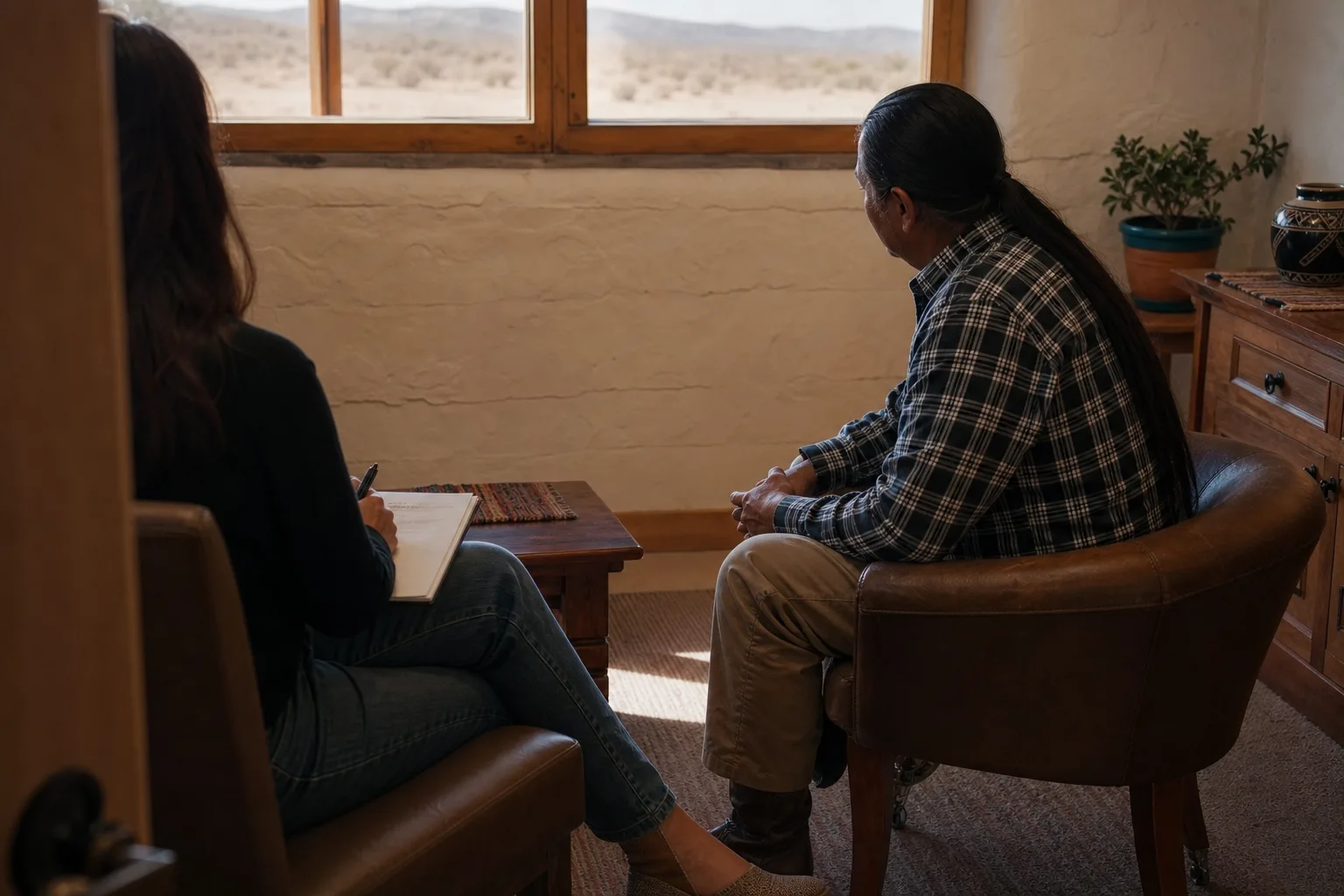
Emotion regulation for BPD in recovery means learning safer ways to handle intense feelings during addiction treatment without turning to alcohol or drugs, acting on impulse, or leaving care too soon. In Choice Recovery Path’s IOP in Albuquerque, people may work on noticing emotions earlier, slowing down, and practicing the next helpful step with support from group and individual sessions, peer support, and medical provider support when appropriate. This process is not about never feeling upset; it is about building steadier routines and better follow-through with care. If you are considering treatment, you can call Choice Recovery Path to ask about the current IOP schedule and whether this level of care fits your needs.
Why does emotion regulation matter so much in recovery?
When emotions rise fast and feel overwhelming, it can become harder to pause before using alcohol or drugs. Some people also feel strong fear of rejection, shame after conflict, or a quick swing from calm to crisis. In recovery, those moments can lead to impulsive use, missed appointments, arguments at home, or walking out of care before getting enough support. Emotion regulation for BPD in recovery focuses on building a pause between the feeling and the action. Ask about the Choice intensive outpatient program (IOP) and outpatient addiction treatment in Albuquerque.
Borderline personality disorder is a mental health condition that affects how some people relate to emotions, self-image, and relationships. When substance use is also part of the picture, each issue can make the other harder to manage. That does not mean change is impossible. It means treatment often works best when emotional distress and substance use are both taken seriously, and when families understand that intense reactions are not simply about “being difficult.”
Good emotion regulation does not erase pain. It helps a person notice body signs, name what is happening, and use a practical response before things spin out. Over time, this may reduce last-minute decisions, repeated fights, and the feeling that recovery is always one bad day away from falling apart. Families can help by looking for patterns instead of only reacting to the latest crisis.
- Impulsive use after a painful argument or breakup
- Leaving groups or appointments after feeling judged
- Self-defeating choices driven by shame, anger, or emptiness
- Escalating conflict at home that raises relapse risk
What does emotional dysregulation look like when substance use is also involved?
Emotional dysregulation can look different from person to person. One person may go from numb to flooded in minutes. Another may hold everything in until it bursts out as anger, panic, or hopelessness. In recovery, this can show up as using to quiet the nervous system, texting or calling repeatedly during conflict, making sudden plans to leave treatment, or feeling sure that one hard moment means total failure. These patterns are painful, but they are also important clues.
It can help to think of the cycle in steps. A trigger happens, such as criticism, loneliness, or a change in plans. The body reacts with heat, tightness, racing thoughts, or agitation. Then urges show up: use, lash out, shut down, run, or give up. If no skill interrupts the cycle, the result may be a blowup, a relapse, or dropping out of treatment. Learning the cycle makes it easier to interrupt it sooner.
Families often ask whether a loved one is being manipulative or simply unwilling to change. A better question is: what happened right before the reaction, and what skill was missing in that moment? Looking at patterns does not excuse harmful behavior, but it can lower blame and help everyone focus on safety, boundaries, and support.
- Common triggers: feeling rejected, criticized, alone, bored, or overwhelmed
- Body clues: fast heartbeat, shaky hands, stomach drop, clenched jaw, urge to escape
- Risk behaviors: substance use, angry messages, disappearing, skipping treatment, self-harm talk
| Part of the cycle | What it may look like |
|---|---|
| Trigger | An argument, a canceled plan, a reminder of trauma, or feeling ignored |
| Body alarm | Racing heart, tears, numbness, pressure in the chest, restless energy |
| Urge | Use a substance, leave treatment, start a fight, or isolate |
| Skillful next step | Pause, breathe, ask for support, step away, or use a coping plan |
Addiction Treatment and IOP at Choice Recovery Path
Choice Recovery Path offers addiction treatment in Albuquerque, New Mexico for adults who want structured support while living at home. Its intensive outpatient program (IOP) in Albuquerque brings weekly group and individual therapy, early recovery skills, and practical tools for change into daily life.
- What IOP looks like: regular group work and one-to-one therapy, with peer support, life skills, medical provider support and medication-assisted treatment that may be part of care.
- Who it is for: adults who need more structure than standard outpatient care, people stepping down from inpatient or residential treatment, and people starting care in the community.
- Schedule: sessions fit around work and home life. Call for the current IOP schedule, program length and openings.
Call (505) 526-3649, verify your insurance, or start admissions to ask whether IOP or outpatient addiction treatment fits your needs.
For the full overview, start with DBT For BPD In Albuquerque. Related reading: DBT Skills For BPD And Substance Use Urges, DBT Groups For BPD And Addiction In Albuquerque.
Which emotion regulation skills can reduce impulsive use and conflict?
The first helpful skill is naming the emotion as clearly as possible. “I feel bad” is a start, but it may be more useful to say “I feel ashamed and scared after that argument.” Clear words can lower confusion and help a person choose the right support. Another skill is checking the facts of the moment: what actually happened, what story am I telling myself, and what do I need right now to stay safe and sober for the next hour?
A second group of skills focuses on slowing the body down before making decisions. A short walk, cold water on the face, paced breathing, holding ice, stepping outside, or sitting in a quiet room can reduce the heat of the moment. These actions may sound small, but they can create enough space to avoid using, sending a damaging message, or leaving treatment. The goal is not perfect calm. The goal is getting through the spike without making the situation worse.
Relationship skills also matter. Asking for a short break, saying “I want to keep talking but I need ten minutes,” or telling staff “I want to leave, but I also know I am upset right now” can protect recovery. People can ask the admissions or clinical team at Choice Recovery Path whether a certain therapy approach or skill-building group is available for co-occurring substance use and emotional regulation needs, or whether another referral may fit better.
- Name the feeling with specific words
- Check the facts before acting on the urge
- Use a body-calming skill for 5 to 15 minutes
- Delay any big decision until the intensity drops
- Tell one safe person what is happening instead of hiding it
How can families support emotion regulation without making things worse?
Families in New Mexico often carry a lot: worry, anger, guilt, and exhaustion. It is natural to want to fix the situation quickly, but pushing too hard during a crisis can backfire. A calmer approach is to be clear, brief, and steady. Instead of arguing about whether a feeling is reasonable, focus on what helps safety and what the next step needs to be. This can lower shame and reduce the chance of an impulsive reaction.
Validation is not the same as agreeing with everything. It means showing that you understand the emotion, even if you do not agree with the behavior. For example: “I can hear that you feel abandoned, and I also need this conversation to stay respectful.” That kind of response supports emotion regulation because it lowers the sense of being attacked while keeping limits in place. Consistent boundaries can actually make home feel more predictable and less chaotic.
Families also need support for themselves. Learning about treatment, attending family education when offered, and having a plan for hard evenings can make a real difference. If you are not sure what services are offered, you can call Choice Recovery Path at (505) 526-3649 and ask the admissions or clinical team about family involvement, co-occurring support, and whether a referral is needed for a different level of care.
- Use short, calm statements instead of long lectures
- Validate the feeling while setting a clear limit
- Do not argue with someone at peak intensity if safety is at risk
- Have a crisis plan for rides, child care, meds, and emergency contacts
- Take care of your own support and rest
When should someone get professional help or emergency support?
Professional help is important when intense emotions, substance use, or repeated conflict begin to interfere with daily life, recovery, work, or family safety. It can also help when someone keeps leaving treatment early, returning to use after emotional crises, or feeling unable to manage urges on their own. A full assessment can look at substance use, mental health concerns, and what level of care may fit best. Treatment plans should be individualized rather than one-size-fits-all.
If a person talks about wanting to die, cannot stay safe, has severe intoxication, shows signs of overdose, or there is immediate danger to anyone in the home, call 911 right away. If there is emotional crisis or suicidal distress and you need immediate support, call or text 988. These steps are not overreacting. They are ways to protect life while you figure out what longer-term support is needed.
For less urgent questions, people can reach out to Choice Recovery Path in Albuquerque or Las Cruces at (505) 526-3649 to ask about outpatient addiction treatment, the intensive outpatient program, and how co-occurring emotional concerns are addressed. If you are looking for a specific therapy model, ask whether it is available or whether a referral to another provider would be more appropriate.
- Get help early if emotions often lead to use or treatment drop-off
- Seek urgent help for overdose risk, severe intoxication, or inability to stay safe
- Use 988 for suicidal crisis or intense emotional distress
- Call 911 for immediate danger or medical emergency
Ready to talk through next steps? Call Choice Recovery Path at (505) 526-3649 or explore IOP at Choice Recovery Path and Choice addiction treatment services.
Frequently Asked Questions
Can someone work on emotional regulation before they stop using completely?
Often, yes. Many people need help with both substance use and emotional coping at the same time, especially when each one fuels the other. A clinical assessment can help decide what level of care and what sequencing may be safest and most useful.
Does having intense emotions mean a person has borderline personality disorder?
No. Many mental health and life stress issues can involve strong emotions, conflict, or impulsive behavior. Only a qualified professional can assess what is going on, and in recovery it is especially important to look at both substance use and mental health together.
What if my loved one keeps threatening to quit treatment after a hard day?
Try to respond to the distress without joining the panic. A calm statement such as, “I can hear you want to leave right now; let’s wait, breathe, and talk to the treatment team before making that choice,” may help create enough space for a safer decision.
Are medications part of treatment for this problem?
Medication questions should be discussed with a licensed medical provider who can review symptoms, substance use, safety, and other health factors. Treatment for co-occurring concerns may include more than one type of support, depending on the person’s needs.
How can IOP help with emotion regulation for BPD in recovery?
IOP can provide structured weekly support while a person works on recovery from substance use and learns practical ways to respond to intense emotions. At Choice Recovery Path in Albuquerque, care may include group therapy, individual therapy, peer support, life skills, aftercare planning, and medical provider support and medication-assisted treatment when appropriate. You can ask whether specific approaches are part of your care or whether a referral would be a better fit.
Why is emotion regulation important in addiction treatment for someone with BPD symptoms?
Strong emotions, impulsive choices, and relationship stress can make it harder to stay engaged in addiction treatment, especially in early recovery. Building emotion regulation skills may help a person pause, use support, and make safer decisions one step at a time. Choice Recovery Path can help you explore whether its outpatient program or IOP in Albuquerque matches your needs.
Sources
- National Institute of Mental Health (NIH): www.nimh.nih.gov/health/topics/borderline-personality-disorder
- National Institute on Drug Abuse (NIH): nida.nih.gov/research-topics/comorbidity
- SAMHSA: www.samhsa.gov/find-support/learn-about-treatment/types-of-treatment
- SAMHSA: www.samhsa.gov/mental-health/988
Call (505) 526-3649 to talk through next steps.