
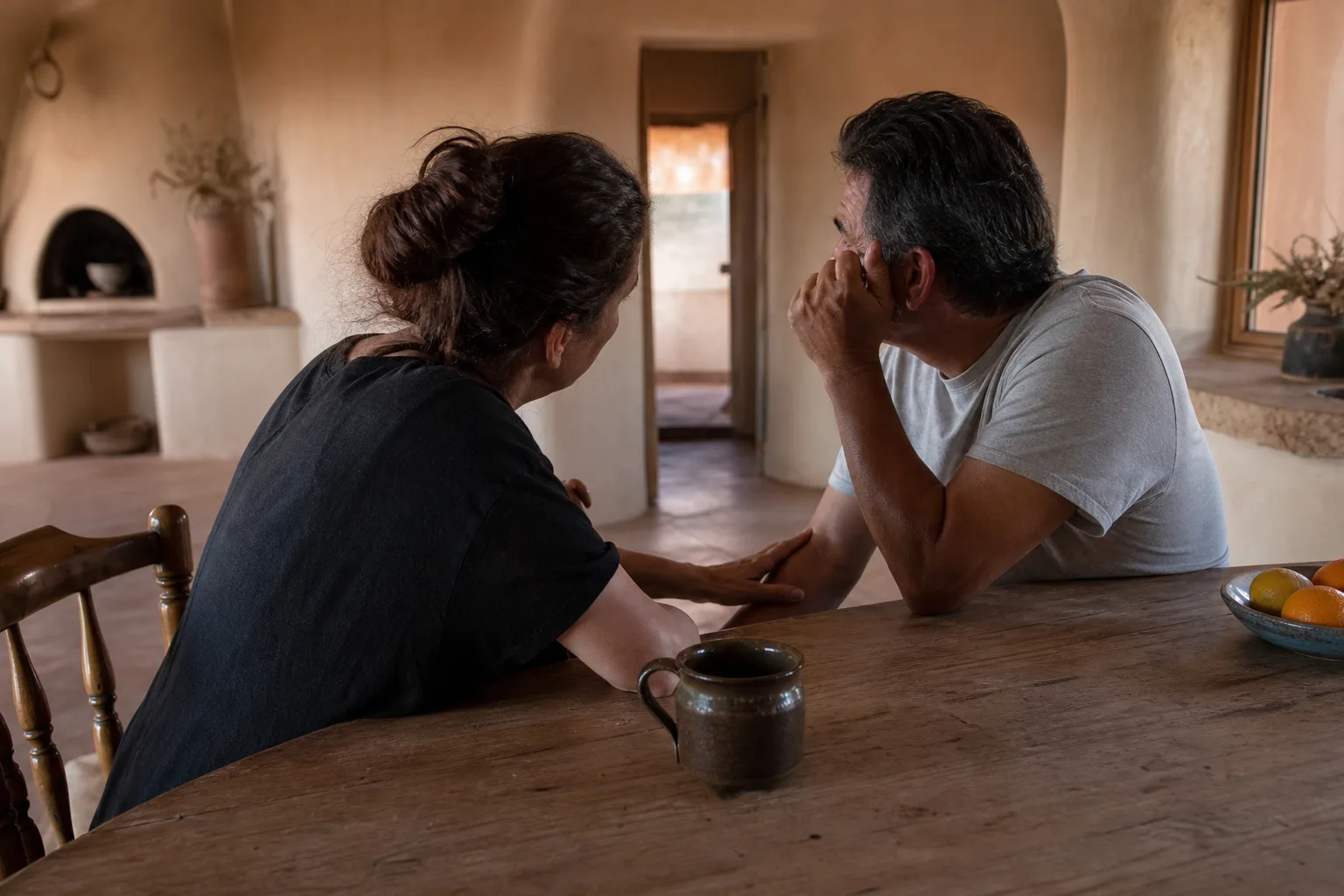
DBT for splitting in relationships is often discussed as a way to slow intense reactions, notice all-or-nothing thinking, and respond more steadily during conflict. In addiction treatment, those skills may support safer choices, clearer communication, and more consistent boundaries when stress, cravings, or relationship strain show up together. At Choice Recovery Path’s IOP in Albuquerque, care can include group and individual support, early recovery skills, peer support, and medical provider support, including medication-assisted treatment when appropriate. If you are exploring this topic, you can ask the admissions or clinical team whether DBT-informed care is part of your plan or whether another referral may be a better fit.
What does splitting look like in relationships, and why can it feel so overwhelming?
People often use the word “splitting” to describe a painful pattern of seeing someone as all good or all bad, sometimes shifting very quickly from one view to the other. In real life, that can look like feeling deeply connected one day and deeply hurt, angry, or rejected the next. These swings can be confusing for the person going through them and for loved ones too. The feelings are real, even when the view of the relationship changes fast. Ask about the Choice intensive outpatient program (IOP) and outpatient addiction treatment in Albuquerque.
When substance use is also present, these ups and downs can become harder to manage. Alcohol or drugs may lower inhibition, intensify arguments, or make it harder to pause before reacting. Someone may text repeatedly, threaten to leave, beg a partner not to go, or shut down completely. None of that means the person is “bad” or beyond help. It usually means they need support building safer ways to handle fear, anger, shame, and conflict.
Some people searching for answers also wonder whether these patterns connect with borderline personality disorder. That can be part of the conversation, but it is important not to self-diagnose. Mental health concerns and substance use often overlap, and careful assessment matters. A treatment team can look at the full picture, including mood, trauma history, substance use, stress, and relationship strain, before suggesting the next step.
- Seeing a partner, friend, or family member as perfect one moment and cruel the next
- Feeling abandoned very quickly after a delayed text, canceled plan, or disagreement
- Using alcohol or drugs after relationship stress to numb pain or calm down
- Reacting in ways that hurt trust, then feeling guilt or panic afterward
How can DBT for splitting in relationships help during real-life conflict?
DBT for splitting in relationships focuses on skills that help people hold two truths at once. For example, “I feel deeply hurt” and “this person may still care about me” can both be true. That shift does not erase pain, but it can reduce the urge to act from the most intense feeling in the moment. Instead of trying to win, punish, or cling, a person learns how to pause, name what is happening inside, and choose a response that is more likely to protect the relationship and their recovery.
A big part of this work is learning that emotions can be valid without needing to control every decision. If someone feels rejected, they can learn to notice the feeling, check the facts, and ask for what they need more clearly. If substance use has become a way to escape relationship pain, DBT-style skills may also support sobriety goals by creating another path through distress. That matters because conflicts, breakups, and fear of abandonment are common triggers for using.
DBT is often associated with borderline personality disorder, but the skills can be useful for many people dealing with intense emotions alongside substance use. The key idea is not perfection. It is building enough awareness, tolerance, and communication skill to get through hard moments without making them worse. In an outpatient or intensive outpatient setting, people may practice these skills while still living at home and dealing with everyday relationship stress.
- Pause before sending the text, making the call, or leaving abruptly
- Name the feeling: hurt, fear, anger, shame, jealousy, or loneliness
- Check what you know versus what you are assuming
- Ask directly for reassurance, space, or a time to talk
- Use a coping skill instead of alcohol or drugs during the peak of the emotion
Addiction Treatment and IOP at Choice Recovery Path
Choice Recovery Path offers addiction treatment in Albuquerque, New Mexico for adults who want structured support while living at home. Its intensive outpatient program (IOP) in Albuquerque brings weekly group and individual therapy, early recovery skills, and practical tools for change into daily life.
- What IOP looks like: regular group work and one-to-one therapy, with peer support, life skills, medical provider support and medication-assisted treatment that may be part of care.
- Who it is for: adults who need more structure than standard outpatient care, people stepping down from inpatient or residential treatment, and people starting care in the community.
- Schedule: sessions fit around work and home life. Call for the current IOP schedule, program length and openings.
Call (505) 526-3649, verify your insurance, or start admissions to ask whether IOP or outpatient addiction treatment fits your needs.
For the full overview, start with DBT For BPD In Albuquerque. Related reading: DBT Skills For BPD And Substance Use Urges, DBT Groups For BPD And Addiction In Albuquerque.
Which DBT skills are most helpful when splitting starts to take over?
Many people need concrete tools, not just insight. When splitting begins, the mind can move fast and the body can feel flooded. A person may need help calming the nervous system before they can think clearly. Skills often used in DBT include mindfulness, distress tolerance, emotion regulation, and interpersonal effectiveness. These names may sound clinical, but the goal is simple: notice what is happening, survive the wave safely, and communicate in a way that supports long-term goals instead of short-term relief.
Mindfulness can help a person observe thoughts like “they never care about me” without treating that thought as the full truth. Distress tolerance can help someone get through the next 10 or 20 minutes without using substances, breaking something, or saying something they cannot take back. Emotion regulation supports sleep, eating, routine, and identifying triggers, all of which matter in recovery. Interpersonal effectiveness helps with boundaries, apologies, requests, and saying no without exploding or collapsing.
These skills take practice, especially when relationship fear is tied to old wounds or current substance use. It is common to understand a skill on paper and still struggle during a real argument. That does not mean treatment is failing. It may mean the person needs repetition, coaching from a clinician, or a higher level of structure. If you are considering care in Albuquerque or Las Cruces, you can ask Choice Recovery Path whether this kind of skill-building is available or whether another referral would be a better fit.
- Mindfulness: slow down and notice thoughts, body signals, and urges
- Distress tolerance: get through the crisis without making it worse
- Emotion regulation: understand triggers and care for basic needs
- Interpersonal effectiveness: ask, listen, set limits, and repair after conflict
| Situation | Old pattern | Skill-based response |
|---|---|---|
| A partner does not text back | Assume rejection and send many angry messages | Pause, notice the story you are telling yourself, and wait to check facts |
| An argument starts at home | Drink or use to calm down | Use a coping skill first and return to the talk when you are steadier |
| You feel ashamed after lashing out | Hide, blame, or end the relationship suddenly | Own your part, apologize clearly, and ask for a better time to talk |
| Someone sets a boundary | See them as uncaring or controlling | Recognize the boundary, name your feeling, and discuss needs respectfully |
What if substance use and relationship chaos keep feeding each other?
For many adults and families, the hardest part is that relationship pain and substance use can become a loop. A fight leads to drinking or using. Then the use leads to missed work, broken trust, or more conflict. The next argument feels even bigger because both people are carrying old hurt. In co-occurring situations like this, it can help to address both the substance use and the emotional patterns at the same time rather than treating them as separate problems that never touch.
Outpatient treatment and intensive outpatient programs can give people a place to work on recovery while staying connected to daily life. That can matter when the stress is happening at home, with a spouse, co-parent, partner, or family member. Some people need support building a relapse prevention plan around relationship triggers. Others need help recognizing warning signs such as panic, rage, hopelessness, or strong urges to use after conflict. A treatment team can help sort out what level of care may fit.
If there is immediate danger, safety comes first. Call 911 if someone may act violently, is unconscious, has overdosed, or cannot stay safe. Call or text 988 for mental health crisis support, including moments when emotional distress feels unbearable. Reaching out in a crisis is not overreacting. It is a way to protect life and create enough safety for the next step in care.
- Notice the trigger: criticism, silence, jealousy, distance, or fear of being left
- Make a short plan for the first hour after a conflict
- Remove or avoid substances during high-risk times when possible
- Tell one trusted person what support helps and what makes things worse
When should someone in New Mexico reach out for help, and what can families do?
It may be time to reach out when relationship conflicts keep leading to substance use, when breakups or arguments feel impossible to survive without drinking or using, or when loved ones are walking on eggshells most of the time. It can also help to talk with a professional when emotions feel extreme, shame is building, or a person keeps cycling between pulling others close and pushing them away. Asking for help does not mean someone is manipulative or beyond repair. It means the current pattern is painful and deserves attention.
Families often want to know how to help without making things worse. A steady, calm approach usually helps more than lectures, threats, or trying to solve every crisis. Loved ones can set boundaries, avoid arguing when someone is intoxicated, and encourage treatment in a respectful way. They can also learn about co-occurring substance use and mental health concerns so they are not trying to guess what is happening on their own. Support for families matters too.
Choice Recovery Path has offices in Albuquerque and Las Cruces, New Mexico. If you want to explore outpatient addiction treatment or an intensive outpatient program, you can call (505) 526-3649 and ask the admissions or clinical team about services, mental health support for co-occurring substance use concerns, and whether DBT-informed care is available or whether another referral may fit. If the situation is urgent or unsafe, use 911 or 988 first.
- Choose a calm time to talk, not the middle of a blowup
- Use specific examples instead of labels or blame
- Set clear boundaries around safety, money, and substance use in the home
- Ask what kind of support the person wants before jumping in
- Take your own stress seriously and seek support for yourself
Ready to talk through next steps? Call Choice Recovery Path at (505) 526-3649 or explore IOP at Choice Recovery Path and Choice addiction treatment services.
Frequently Asked Questions
Can DBT help if I keep going from “I love you” to “I hate you” in the same relationship?
It may help by teaching ways to pause, notice intense thoughts, and respond more carefully during conflict. The goal is not to shut off emotion. It is to make enough space to choose actions that fit your values and recovery goals.
Do I need a borderline personality disorder diagnosis to benefit from DBT-style skills?
No. Many people use these skills to manage intense emotions, conflict, or urges to use substances. A clinician can help sort out what is driving the pattern instead of assuming one diagnosis on your own.
Can family members be involved if substance use and relationship instability are happening together?
Often, families can play an important role by learning healthier ways to communicate, set boundaries, and respond during crises. The exact type of family involvement depends on the program and the person’s needs, so it is best to ask the clinical team what is available.
What if arguments make me want to drink or use right away?
That is a common reason people seek support. Treatment may help you build a plan for the first minutes and hours after conflict, identify triggers, and practice coping tools before the urge takes over. If you feel at risk of harming yourself or someone else, call 911 or 988 right away.
Can IOP help when splitting in relationships affects recovery?
An IOP can give structure and support when relationship conflict and substance use are affecting each other. At Choice Recovery Path in Albuquerque, people can ask how weekly group therapy, individual therapy, recovery skills, peer support, and aftercare planning may fit their needs. You can also ask whether DBT-informed strategies are part of care or whether a referral would make more sense.
How does addiction treatment address splitting in relationships?
Addiction treatment may focus on patterns that make conflict, impulsive decisions, or unstable boundaries harder to manage during recovery. Care often looks at communication, coping skills, triggers, support systems, and medication-assisted treatment when appropriate. If you are considering Choice Recovery Path, you can ask whether DBT-informed care is available within treatment or whether another referral may fit your situation.
Sources
- SAMHSA: www.samhsa.gov/find-support/learn-about-treatment/types-of-treatment
- National Institute on Drug Abuse (NIH): nida.nih.gov/research-topics/comorbidity
- National Institute of Mental Health (NIH): www.nimh.nih.gov/health/topics/borderline-personality-disorder
- SAMHSA: www.samhsa.gov/mental-health/988
Call (505) 526-3649 to talk through next steps.