
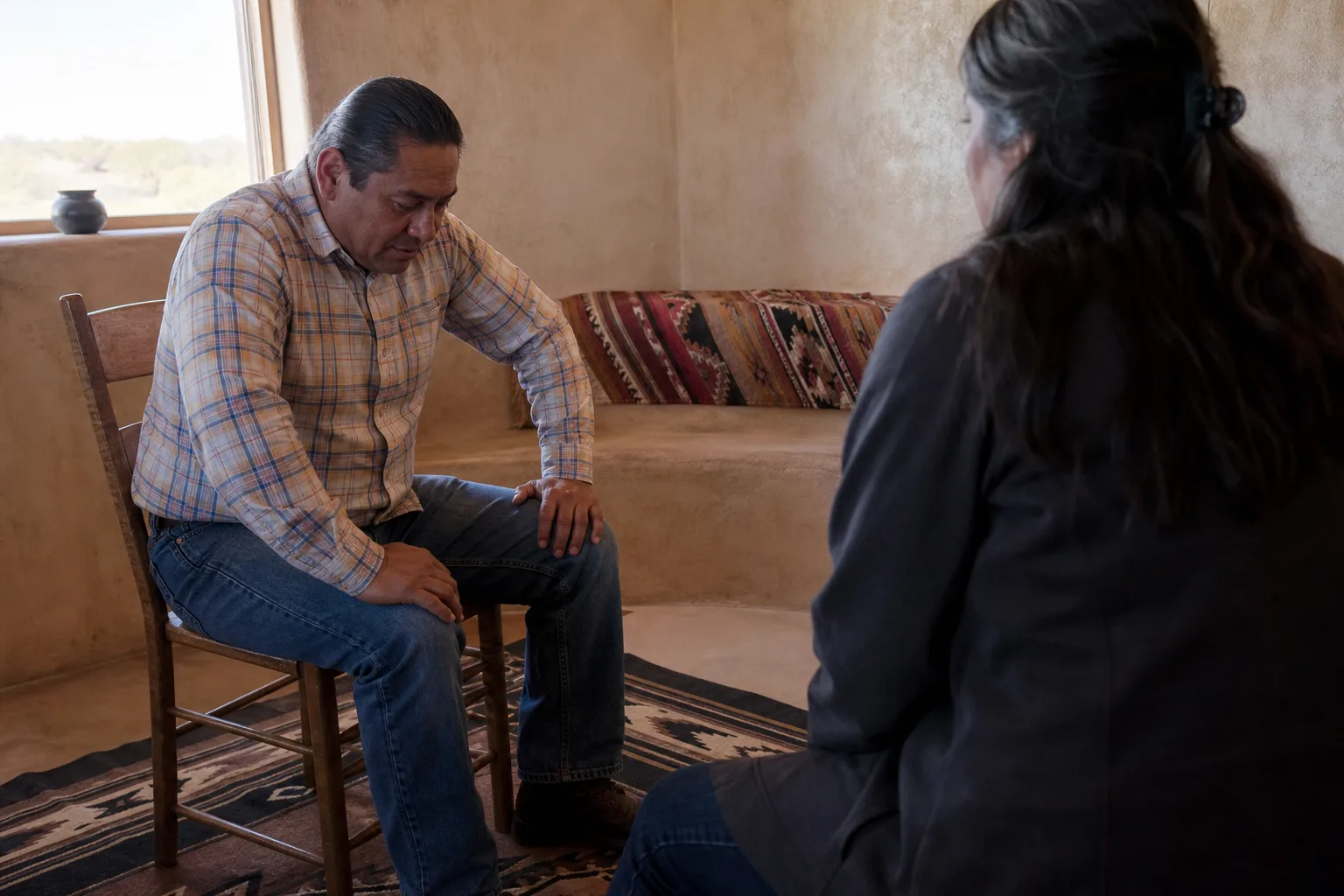
Mindfulness for BPD cravings impulsivity can be a practical part of addiction treatment when someone is trying to slow down reactions before they lead to conflict, self-harm, or substance use. In Choice Recovery Path’s intensive outpatient program (IOP) in Albuquerque, people work on noticing urges, body signals, and intense emotions early enough to choose a safer next step. These skills can support weekly group and individual therapy, peer support, early recovery planning, and aftercare as part of a broader recovery path. Mindfulness does not erase distress, but it may help make responses less automatic during recovery.
How can mindfulness help when BPD symptoms, cravings, and impulsivity collide?
When a person lives with borderline personality disorder symptoms and also struggles with alcohol or drug use, reactions can feel very fast and very intense. A text message, an argument, loneliness, shame, or fear of being left can spark a wave of emotion that seems impossible to slow down. In that moment, a craving may feel like relief, and impulsive choices may feel like the only way to escape the pressure. This is one reason co-occurring substance use and mental health concerns often need care that looks at both together. Ask about the Choice intensive outpatient program (IOP) and outpatient addiction treatment in Albuquerque.
Mindfulness is one tool used in treatment to help create a small space between the feeling and the action. It does not mean approving of pain, ignoring problems, or trying to be calm all the time. It means noticing what is happening right now: thoughts, body sensations, urges, and emotions. That simple act of noticing can help a person step out of autopilot. Instead of going straight from hurt to using, yelling, driving off, or self-destructive behavior, the person may be better able to pause and choose support.
- Mindfulness helps people notice early warning signs before a crisis grows.
- It can support awareness of triggers linked to both conflict and substance use.
- It may make urges feel more manageable by naming them instead of obeying them.
- It gives families a clearer picture of what the person is trying to do in recovery.
What does mindfulness look like in real life, not just in a therapy room?
Many people hear the word mindfulness and picture long silent meditation. In recovery, it is often much simpler and more practical than that. It can be taking one slow breath before answering a painful text. It can be noticing that your chest is tight, your thoughts are racing, and your mind is already planning to leave the house and use. It can be saying to yourself, “I am having a strong urge right now,” instead of “I have to act on this.” These are small steps, but they can interrupt impulsive patterns.
Mindfulness can also be used during everyday moments, not only during a crisis. A person might pay attention to the taste of coffee, the feeling of their feet on the floor, or the sound of traffic outside. Practicing during calmer times can make the skill easier to reach for when emotions surge. In treatment, people may practice noticing thoughts without treating every thought like an emergency. Families can practice this too by slowing down, listening, and resisting the urge to fix everything in the first heated minute.
- Pause before responding to a call, text, or argument.
- Name the urge clearly: drink, use, lash out, leave, or shut down.
- Notice body cues such as shaking, heat, numbness, or a racing heart.
- Anchor attention to breathing, sounds, or the feeling of a chair.
- Ask, “What do I need in the next ten minutes to stay safe?”
Addiction Treatment and IOP at Choice Recovery Path
Choice Recovery Path offers addiction treatment in Albuquerque, New Mexico for adults who want structured support while living at home. Its intensive outpatient program (IOP) in Albuquerque brings weekly group and individual therapy, early recovery skills, and practical tools for change into daily life.
- What IOP looks like: regular group work and one-to-one therapy, with peer support, life skills, medical provider support and medication-assisted treatment that may be part of care.
- Who it is for: adults who need more structure than standard outpatient care, people stepping down from inpatient or residential treatment, and people starting care in the community.
- Schedule: sessions fit around work and home life. Call for the current IOP schedule, program length and openings.
Call (505) 526-3649, verify your insurance, or start admissions to ask whether IOP or outpatient addiction treatment fits your needs.
For the full overview, start with DBT For BPD In Albuquerque. Related reading: DBT Skills For BPD And Substance Use Urges, DBT Groups For BPD And Addiction In Albuquerque.
Why do cravings and impulsive actions feed each other?
Cravings are not only about a substance. They can also be tied to memories, places, conflict, loneliness, boredom, or the need to escape emotional pain quickly. Impulsivity can make those cravings harder to sit with. If someone is used to acting fast when upset, the brain may learn that immediate action brings short-term relief. That action might be using alcohol or drugs, sending angry messages, spending money, driving recklessly, or walking out of treatment. The relief may be brief, but the pattern gets stronger.
Mindfulness helps by slowing the chain down enough to see it. A person might notice, “I felt rejected, then my stomach dropped, then my mind told me to use, then I reached for my keys.” Once the chain becomes clearer, treatment can focus on safer responses at each step. This does not mean the person is weak or choosing distress on purpose. It means there is a pattern, and patterns can be studied. If symptoms feel overwhelming or there is immediate risk of harm, call 911 or 988 right away.
| What you notice | Mindful response |
|---|---|
| Your thoughts are racing after an argument | Name the thought spiral and take one slow breath before replying |
| You feel an urge to drink or use to calm down | Say the urge out loud or write it down, then wait a few minutes before acting |
| Your body feels hot, shaky, or numb | Place both feet on the floor and notice five things you can see |
| You want to leave treatment, home, or work suddenly | Pause and contact a support person or treatment staff before making a fast decision |
How is mindfulness used in treatment for co-occurring substance use and BPD symptoms?
Treatment for substance use can include education, counseling, skill-building, and support for daily routines that protect recovery. When a person also has strong mood swings, unstable relationships, fear of abandonment, or self-defeating impulsive behavior, clinicians may use mindfulness as part of a broader plan. The goal is not to force positive thinking. The goal is to help the person recognize what is happening early enough to use support, coping skills, and safer choices. Families may also learn ways to respond with steadiness instead of panic or harsh criticism.
Because every program is different, it is best to ask the admissions or clinical team how mindfulness skills are included and whether a referral is a better fit for a person’s needs. Choice Recovery Path is an outpatient addiction treatment and intensive outpatient program with offices in Albuquerque and Las Cruces, New Mexico. Adults and families can call (505) 526-3649 to ask what services are available, how co-occurring concerns are addressed, and what level of care may make sense. If a person is in immediate danger, call 911 or 988 rather than waiting for an appointment.
- A treatment plan may look at triggers, cravings, conflict, and daily stress together.
- Mindfulness is often practiced in brief, repeatable steps rather than perfect calm.
- Families can ask how they may support safety and consistency at home.
- If a service is not available, the team can discuss whether another referral fits better.
What can families do at home when impulsivity is driving conflict and substance use?
Families often want to help, but strong reactions can raise the temperature fast. When someone is overwhelmed, long lectures, threats, or trying to settle every issue in one conversation may make the moment worse. A mindful family response starts with slowing down. Notice your own body, your tone, and your urge to argue. Speak simply. Set one clear limit if needed. Focus on safety first, not on winning the point. This can feel unnatural at first, especially when you are scared or exhausted.
It also helps to remember that mindfulness is not the same as walking on eggshells. Families can be compassionate and still have boundaries around substance use, money, rides, or behavior in the home. You do not have to solve the whole future in one night. One calm moment, one safe ride, one paused text, or one call for help can matter. If your loved one talks about suicide, self-harm, or harming others, or cannot stay safe, call 911 or 988 right away.
- Keep statements short and calm during heated moments.
- Avoid arguing with someone who is intoxicated or highly escalated.
- Use boundaries that are clear, specific, and realistic.
- Encourage treatment contact during a calm window, not only in crisis.
- Take care of your own support and stress level too.
Ready to talk through next steps? Call Choice Recovery Path at (505) 526-3649 or explore IOP at Choice Recovery Path and Choice addiction treatment services.
Frequently Asked Questions
Does mindfulness make cravings go away?
Not usually right away. A craving may still be present, but mindfulness can help a person notice it, label it, and wait before acting on it. That pause can support safer choices and make it easier to reach out for help.
Can mindfulness help during an argument?
Yes, it can be used in the middle of conflict by slowing breathing, lowering your voice, and noticing the urge to say or do something impulsive. It does not solve the whole relationship problem in that moment, but it may keep the situation from getting worse.
Is mindfulness only for people who can sit still and meditate?
No. Many mindfulness skills are brief and active, such as noticing your feet on the floor, naming five things you can see, or waiting one minute before sending a message. These small practices can be more useful than long meditation for some people.
What if a loved one refuses treatment but says they are trying mindfulness on their own?
Self-help can be a starting point, but strong cravings, unsafe substance use, or intense emotional swings may still need professional support. Families can encourage an assessment and ask a treatment program how co-occurring substance use and mental health concerns are addressed.
How can IOP support mindfulness for BPD symptoms, cravings, and impulsivity?
IOP can give people regular structure to practice pausing, tracking triggers, and responding more safely when emotions or cravings rise. At Choice Recovery Path in Albuquerque, that may include weekly group and individual therapy, recovery skills, peer support, medical provider support and medication-assisted treatment, life skills, and aftercare planning. If you want to know how mindfulness may fit into your care, call to ask about the current schedule and treatment approach.
How does addiction treatment help with BPD-related cravings and impulsivity?
Addiction treatment can help people build awareness of patterns that show up before substance use or other risky reactions, then practice safer ways to respond. For someone with BPD symptoms, support may focus on emotional intensity, relationship stress, urges, and recovery routines as part of an outpatient plan. If you are looking for a good fit, you can ask whether mindfulness is part of care or whether a referral would make sense.
Sources
- SAMHSA: www.samhsa.gov/substance-use/treatment
- National Institute on Drug Abuse (NIH): nida.nih.gov/research-topics/comorbidity
- National Institute of Mental Health (NIH): www.nimh.nih.gov/health/topics/borderline-personality-disorder
- SAMHSA: www.samhsa.gov/mental-health/988
Call (505) 526-3649 to talk through next steps.