How motivational interviewing supports addiction recovery
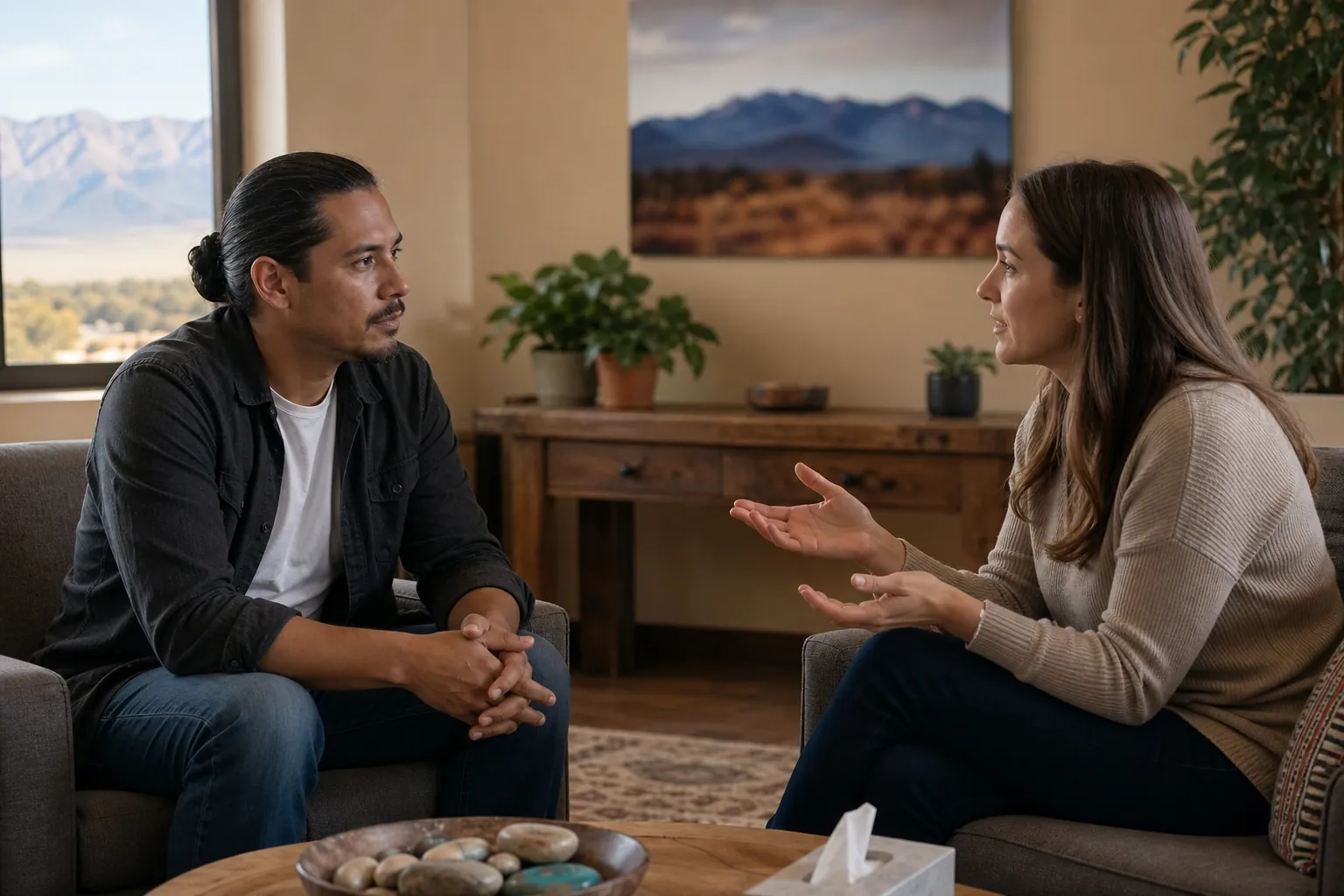
Deciding whether to change alcohol or drug use can bring mixed emotions. A person may recognize that substance use is affecting work, health, relationships, or finances while still feeling uncertain about treatment. Motivational interviewing offers a respectful way to explore that uncertainty without pressure or judgment.
At Choice Recovery Path, counseling focuses on the person behind the symptoms. Motivational interviewing can help clients identify their own reasons for recovery, build confidence, and choose realistic next steps. For people seeking motivational interviewing addiction counseling in New Mexico, this approach can make early conversations about change feel safer and more productive.
What is motivational interviewing?
Motivational interviewing, often called MI, is a collaborative counseling approach designed to strengthen a person's motivation and commitment to change. Instead of lecturing, confronting, or trying to force a decision, the counselor asks thoughtful questions and listens carefully.
The goal is not to persuade someone through fear. It is to help the person hear and develop their own arguments for change. A counselor may invite a client to compare current substance use with personal goals, explore concerns, or remember times when they successfully handled difficult situations.
MI recognizes that ambivalence is common. Someone can want sobriety and still fear losing a coping tool, social circle, or familiar routine. Discussing both sides honestly can reduce defensiveness and reveal personally meaningful reasons to move forward.

How MI can support addiction counseling
Motivation is not a fixed personality trait. It can shift with health concerns, family experiences, legal problems, stress, readiness, and support. Motivational interviewing treats motivation as something that can grow through a constructive counseling relationship.
During addiction counseling, MI may help a person:
- Clarify personal values: Clients can consider how substance use fits with priorities such as family, wellness, independence, spirituality, or employment.
- Explore ambivalence: Counseling creates room to discuss both the perceived benefits and the consequences of continued use.
- Recognize strengths: Past successes, coping abilities, and existing support can become resources for recovery.
- Build confidence: Breaking change into manageable actions can make recovery feel more possible.
- Set self-directed goals: The counselor supports informed decisions while respecting the client's autonomy.
- Respond to setbacks: A return to use can be examined with curiosity, accountability, and renewed planning rather than shame.
This method can be especially helpful when someone is unsure about entering treatment, reducing use, or continuing care. It can also support people who have tried recovery before and feel discouraged about starting again.

What to expect during a session
A motivational interviewing session typically feels like a focused conversation. The counselor may use open-ended questions, affirmations, reflective listening, and summaries. These skills help clients examine their experiences and identify statements that point toward change.
For example, a counselor might ask what life could look like if substance use became less disruptive. They may also ask what concerns the client has about changing. The counselor listens for goals and motivations, then helps the client connect those ideas with practical choices.
The process is collaborative, but it is not passive. An MI-informed counselor can provide information, discuss risk, and help develop a plan. The difference is that guidance is offered in a way that supports autonomy. Clients are encouraged to participate actively rather than simply follow instructions.
Sessions may address immediate priorities such as attending appointments, identifying triggers, creating a safer environment, or reaching out to supportive people. The pace depends on the client's needs, readiness, and treatment plan.
How MI fits into a broader recovery plan
Motivational interviewing is not a complete treatment program by itself. It is a counseling approach that may be integrated with other evidence-informed services based on an individual assessment. Recovery planning should account for the substance involved, frequency of use, withdrawal risk, physical and mental health, living environment, and personal goals.
Depending on clinical needs, a broader plan may include individual or group counseling, relapse prevention skills, medication support, peer resources, family involvement, or coordination with medical and behavioral health professionals. If withdrawal may be dangerous, appropriate medical evaluation is important before attempting to stop use.
MI can help clients engage with these services by connecting treatment recommendations to what matters personally. A person may choose counseling because they want to rebuild trust, improve health, return to work, or become more present for family. That personal reason can provide direction when recovery becomes difficult.
Why local, respectful care matters in New Mexico
New Mexico communities are diverse, and each client arrives with a different family structure, culture, language, history, and relationship to recovery. Effective counseling should avoid assumptions and make space for the client's lived experience.
Practical realities also matter. Transportation, work schedules, caregiving responsibilities, rural access, stigma, and concerns about privacy can affect treatment participation. A useful care plan considers these barriers and looks for realistic ways to support consistency.
Choice Recovery Path approaches counseling with respect for individual circumstances. The purpose is not to label or shame people. It is to help clients understand their options, strengthen motivation, and take steps that align with their goals.
Who may benefit from this approach?
Motivational interviewing may be appropriate for people at different points in the change process. Some are only beginning to question their alcohol or drug use. Others already want recovery but have difficulty following through. MI may also help clients who feel pressured into counseling by family, an employer, or the legal system.
No counseling method guarantees a specific result, and the right approach depends on individual needs. An initial conversation or assessment can help determine whether MI-informed counseling fits the situation and whether additional services should be considered.
Take a manageable next step
You do not need to have every recovery goal settled before asking for help. It is enough to be curious about change or concerned about how substance use is affecting your life. A respectful conversation can help you understand what you want and what support may be useful.
To learn more about motivational interviewing and addiction counseling in New Mexico, call Choice Recovery Path at (505) 526-3649. The team can discuss your concerns, answer questions, and help you consider a practical next step.
Call (505) 526-3649 to talk through next steps.