
Understanding addiction treatment levels in New Mexico

Finding help for substance use can feel overwhelming, especially when programs use unfamiliar terms such as detoxification, residential treatment, partial hospitalization, intensive outpatient care, and aftercare. Understanding what these services provide can make the next step feel more manageable.
New Mexico addiction treatment levels are designed to match care intensity with each person's current needs. Someone at risk of severe withdrawal may need continuous medical supervision, while a person with a stable home and less acute symptoms may be able to participate in outpatient treatment. The appropriate starting point depends on much more than how often a substance is used.
Choice Recovery Path helps people and families explore treatment options with clarity and compassion. This guide explains common levels of care, how placement decisions are made, and what to consider when comparing programs in New Mexico.
What Does Level Of Care Mean In Addiction Treatment?
A level of care describes the structure, intensity, and clinical support offered by a treatment program. Higher-intensity settings generally provide more supervision and more treatment hours. Lower-intensity settings allow greater independence while continuing counseling, recovery planning, and other services.
Level of care is not a measure of a person's motivation, character, or likelihood of recovery. It is a clinical decision based on safety, symptoms, living conditions, and the support needed to make meaningful progress. Starting with intensive support does not mean someone has failed. Likewise, outpatient care is not automatically easier or less important.
Clinicians often use standardized placement criteria along with a detailed assessment. They may evaluate withdrawal risk, physical health, emotional and behavioral concerns, readiness for change, the likelihood of continued use, and the recovery environment. Pregnancy, previous overdoses, current medications, transportation, family responsibilities, and access to safe housing may also affect recommendations.
Care should be flexible. A person may begin in withdrawal management, continue in residential treatment, and then transition to outpatient services. Another person may start with outpatient care and move to a more structured program if symptoms intensify. These changes reflect a response to current needs rather than a rigid sequence everyone must follow.

Withdrawal Management And Medical Detoxification
Withdrawal management, commonly called detox, supports people as alcohol or other substances leave the body. Its primary goals are safety, symptom relief, stabilization, and connection to continuing treatment. Detox alone rarely addresses the behavioral, emotional, and social patterns associated with substance use disorders.
Medical withdrawal support may be especially important for alcohol, benzodiazepines, and certain other substances because abrupt discontinuation can cause serious complications. Opioid withdrawal is often intensely uncomfortable and can increase the risk of returning to use. A return to opioid use after reduced tolerance can also raise overdose risk.
Depending on clinical needs, withdrawal management may occur in an inpatient medical setting, a residential environment with clinical monitoring, or an ambulatory program. Services can include health screening, symptom monitoring, medication, hydration and nutrition support, and planning for the next phase of care.
- Seek emergency help for seizures, hallucinations, severe confusion, loss of consciousness, chest pain, trouble breathing, or suspected overdose.
- Do not assume that stopping alcohol or sedatives suddenly is safe without professional guidance.
- Ask a detox provider how it coordinates admission to ongoing treatment after stabilization.
- Discuss all prescribed medications, nonprescription drugs, supplements, and substances honestly with the medical team.
After detox, a warm handoff to treatment is important. The period immediately following withdrawal can be vulnerable, so discharge plans should address medications, transportation, housing, overdose prevention, and a prompt appointment with the next provider.
Residential And Inpatient Treatment
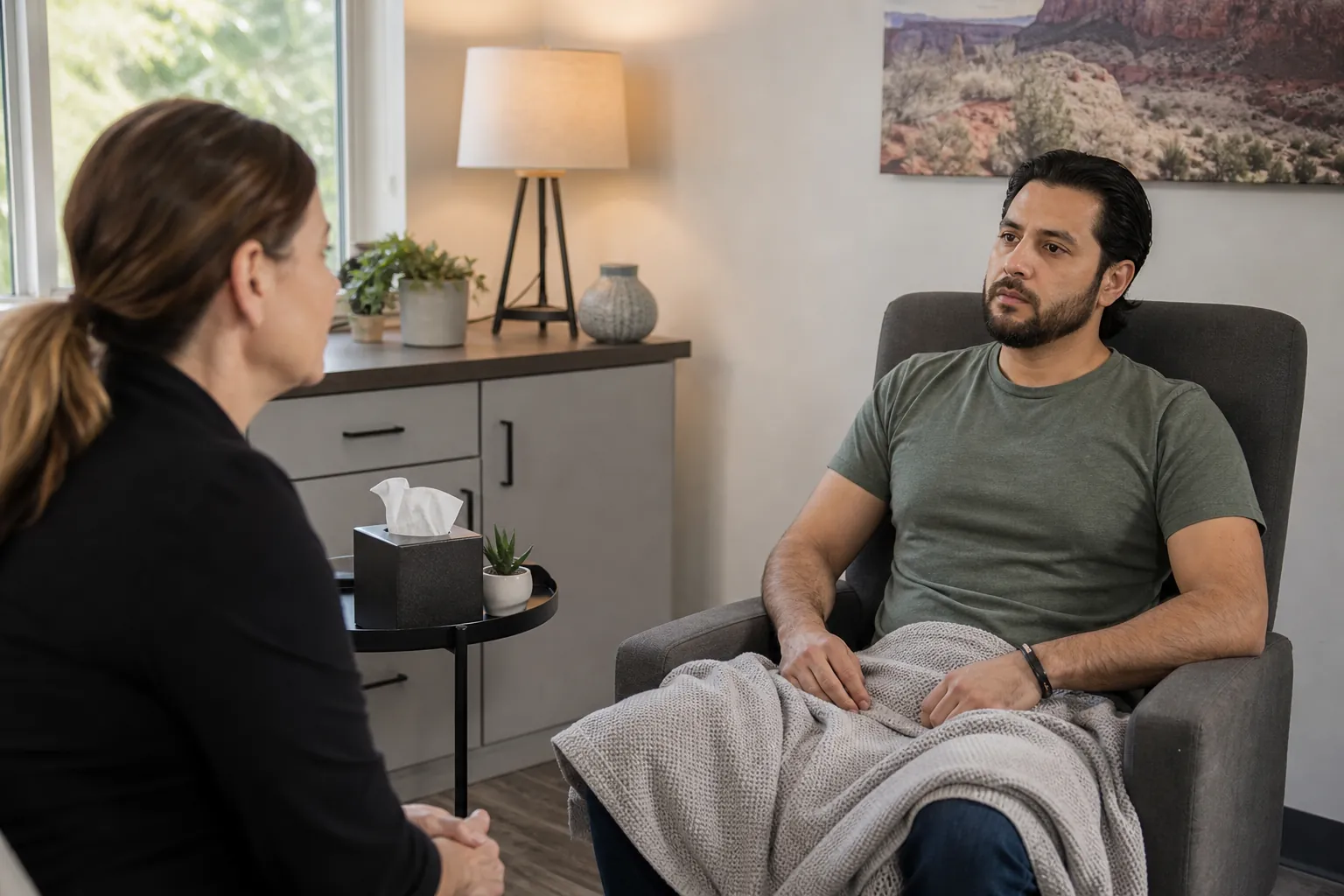
Residential treatment provides a substance-free living environment with structured programming and staff support. Participants stay at the facility and follow a daily schedule that may include individual counseling, group sessions, recovery education, wellness activities, and case management.
People often use the words residential and inpatient interchangeably, but they can refer to different settings. Inpatient treatment typically indicates a medically managed environment for people with significant health or psychiatric needs. Residential programs may be clinically intensive but usually have less continuous medical capability than a hospital-based unit. Prospective participants should ask each facility exactly what services and staffing it provides.
A residential setting may be considered when a person has repeatedly struggled in a less structured program, lacks stable housing, faces frequent exposure to substances at home, or needs separation from immediate triggers. It may also help when co-occurring mental health symptoms require close observation and coordinated care but not hospitalization.
Useful residential services can extend beyond therapy. Programs may help participants establish routines, practice communication, build coping strategies, address legal or employment concerns, and connect with community resources. Family involvement may be offered when it is safe, appropriate, and authorized by the participant.
Length of stay varies based on clinical progress, program design, insurance authorization, and practical circumstances. A longer stay is not automatically better, and a shorter stay is not automatically inadequate. The key questions are whether treatment goals are being addressed and whether a realistic continuing-care plan is in place.
Partial Hospitalization And Day Treatment
A partial hospitalization program, often shortened to PHP, offers a high number of treatment hours while allowing participants to live outside the facility. It may also be called day treatment. PHP commonly operates on several days each week and can include clinical groups, individual therapy, medication services, psychiatric care, and recovery education.
This level can serve as a transition after inpatient or residential treatment. It may also be an entry point for someone who needs substantial structure but does not require overnight supervision. Safe housing, dependable transportation, and the ability to remain stable outside program hours are important considerations.
PHP is not identical across providers. Some programs offer on-site medical and psychiatric services, while others coordinate them externally. Before enrolling, ask how emergencies are handled, whether medications for substance use disorders are available, and how frequently progress is reviewed.
A day program can be demanding. Participants may need help arranging transportation, meals, work leave, child care, or elder care. Discussing these barriers during assessment allows the care team to build a plan that is more practical and sustainable.
Intensive Outpatient Programs
An intensive outpatient program, or IOP, provides more structure than standard outpatient counseling without requiring an overnight stay. Sessions generally occur multiple times per week and may be available during daytime or evening hours. This format can allow participants to continue some work, education, or family responsibilities.
IOP services often include group therapy, individual counseling, substance use education, skill building, case management, and drug or alcohol testing when clinically appropriate. Treatment may focus on recognizing triggers, responding to cravings, strengthening relationships, managing stress, and creating a recovery-supportive routine.
Intensive outpatient care may fit people who are medically stable, can participate reliably, and have a sufficiently safe place to live. It can also provide a step-down from residential care or PHP. If a person's environment includes violence, active substance use, or other serious risks, additional housing or treatment support may be needed.
When comparing IOP options in New Mexico, consider the full schedule rather than the program label. Ask how many clinical hours are provided, whether individual sessions are included, what credentials staff hold, and how the provider responds to missed sessions or renewed substance use.
Standard Outpatient Care And Ongoing Support
Standard outpatient treatment generally involves fewer weekly hours than IOP. A person may attend individual counseling, group therapy, medication appointments, or family sessions while living at home. Frequency should be based on clinical need and can increase or decrease over time.
This level may be appropriate for someone with stable health, manageable symptoms, reliable support, and the ability to use coping skills between appointments. It is also widely used as continuing care after a more intensive program. Regular check-ins can help identify concerns before they become crises.
Ongoing recovery support may include peer services, mutual-help meetings, recovery coaching, supportive housing, primary care, mental health treatment, and vocational assistance. These resources do not necessarily replace clinical care, but they can strengthen connection and help a person build a meaningful life beyond treatment.
Aftercare should be individualized rather than reduced to a generic meeting list. A useful plan identifies warning signs, supportive contacts, medication needs, follow-up appointments, safe housing, transportation, and steps to take if cravings or substance use return.
Medication And Co-Occurring Mental Health Care
Medication can be provided across several treatment levels. Medications for opioid use disorder include buprenorphine, methadone, and naltrexone. Medications may also support alcohol use disorder treatment. The appropriate option depends on medical history, current substance use, personal preference, access, and a qualified clinician's assessment.
Medication is not simply substituting one addiction for another. Evidence-based medication can reduce cravings, support stability, and lower certain health risks when properly prescribed and monitored. Counseling and recovery support may be recommended alongside medication, but access to appropriate medication should not be unnecessarily delayed.
Many people seeking substance use treatment also experience anxiety, depression, trauma-related symptoms, bipolar disorder, or other mental health concerns. Integrated care addresses these needs together rather than treating one as an afterthought. A provider should assess both immediate safety concerns and longer-term symptoms.
Ask prospective programs how they manage psychiatric medications, whether they have prescribing clinicians, and how they communicate with outside providers. If a program does not offer a needed service, it should explain how referrals and coordination work.
How Clinicians Recommend A Treatment Level
A comprehensive assessment is the foundation of appropriate placement. It usually includes questions about substances used, quantity and frequency, last use, previous withdrawal, overdose history, medical conditions, mental health symptoms, treatment history, and current living circumstances.
Honest answers help clinicians recommend safer care. Information shared with a treatment provider is generally subject to privacy protections, although providers should explain relevant limits and consent procedures. Family members can offer helpful background when the participant authorizes their involvement.
Important placement factors include:
- Current intoxication or withdrawal symptoms may require immediate medical evaluation before counseling begins.
- Chronic illnesses, pregnancy, pain, and medication needs can influence the safest treatment setting.
- Suicidal thoughts, psychosis, severe mood symptoms, or cognitive impairment may require specialized or emergency care.
- Past treatment experiences can show which services helped and where additional support may be needed.
- Housing stability, family support, transportation, and exposure to substance use affect whether outpatient care is realistic.
- Personal culture, language, community connections, and treatment preferences should inform the care plan.
Recommendations should be explained in understandable language. A person can ask why a particular level is suggested, what alternatives exist, what improvement would look like, and when the plan will be reviewed.
New Mexico Considerations When Choosing Care
New Mexico's large geographic area and mix of urban, rural, frontier, and Tribal communities can shape access to treatment. Travel time may be a major factor, especially when a program requires several visits each week. Telehealth can reduce some barriers, although it may not be appropriate for every service or every stage of care.
Culturally responsive services matter. New Mexico residents represent diverse Indigenous, Hispanic, Latino, and other communities, each with distinct histories and strengths. A respectful provider should avoid assumptions and ask how language, family, spirituality, tradition, and community should be included in care.
Cost and coverage also require careful review. Insurance benefits can vary by plan, provider network, level of care, and medical-necessity criteria. Medicaid, Medicare, commercial insurance, self-pay arrangements, or publicly funded resources may apply. Verify benefits directly and request an explanation of expected costs before admission when possible.
Questions to ask a New Mexico treatment provider include:
- Is the program licensed or otherwise appropriately authorized for the services it advertises?
- Which services are delivered on-site, and which require a referral to another organization?
- Are medications for opioid or alcohol use disorder offered or coordinated without stigma?
- How does the program address co-occurring mental health and medical conditions?
- Are transportation assistance, telehealth appointments, bilingual services, or accessibility accommodations available?
- How are families involved while protecting the participant's privacy and choices?
- What happens if symptoms worsen or substance use occurs during treatment?
- How does the team plan transitions to the next appropriate level of support?
Moving Between Levels Of Care
Recovery needs can change. Stepping down means moving to a less intensive setting after stabilization and progress. Stepping up means adding structure or medical support when the current plan is not sufficient. Both are normal clinical decisions.
Transitions work best when providers communicate, records arrive promptly, medications remain available, and appointments are scheduled before discharge. Gaps of even a few days can create practical and emotional strain. Participants should leave each level with written information about contacts, prescriptions, warning signs, and the next appointment.
A recurrence of substance use does not erase previous progress. It signals a need to reassess safety, triggers, medication, environment, and treatment intensity. In some cases, the existing plan can be adjusted. In others, a higher level of care may be safer.
Families can support transitions by listening without shaming, securing medications and substances when appropriate, learning overdose response, and helping with transportation or appointments. They may also benefit from counseling or peer support for their own well-being.
Taking The Next Step With Confidence
The best treatment level is the one that safely matches a person's current medical, emotional, and practical needs. It should offer enough structure to support change without overlooking independence, personal preferences, and community connections.
You do not need to determine the right setting alone. A professional assessment can clarify whether withdrawal management, residential treatment, PHP, IOP, standard outpatient care, or another resource may be appropriate. If the first recommendation is not accessible, ask about alternatives and interim safety planning.
Choice Recovery Path can help you discuss New Mexico addiction treatment levels and identify practical questions for your situation. For a calm, confidential conversation about possible next steps, call (505) 526-3649.
If someone may be experiencing an overdose or another medical emergency, call 911 immediately. For a suspected opioid overdose, administer naloxone if available and follow emergency dispatcher instructions. Urgent safety needs should be addressed before routine treatment planning.
Call (505) 526-3649 to talk through next steps.