How Can New Mexico Residents Protect Privacy During Virtual Addiction Treatment?
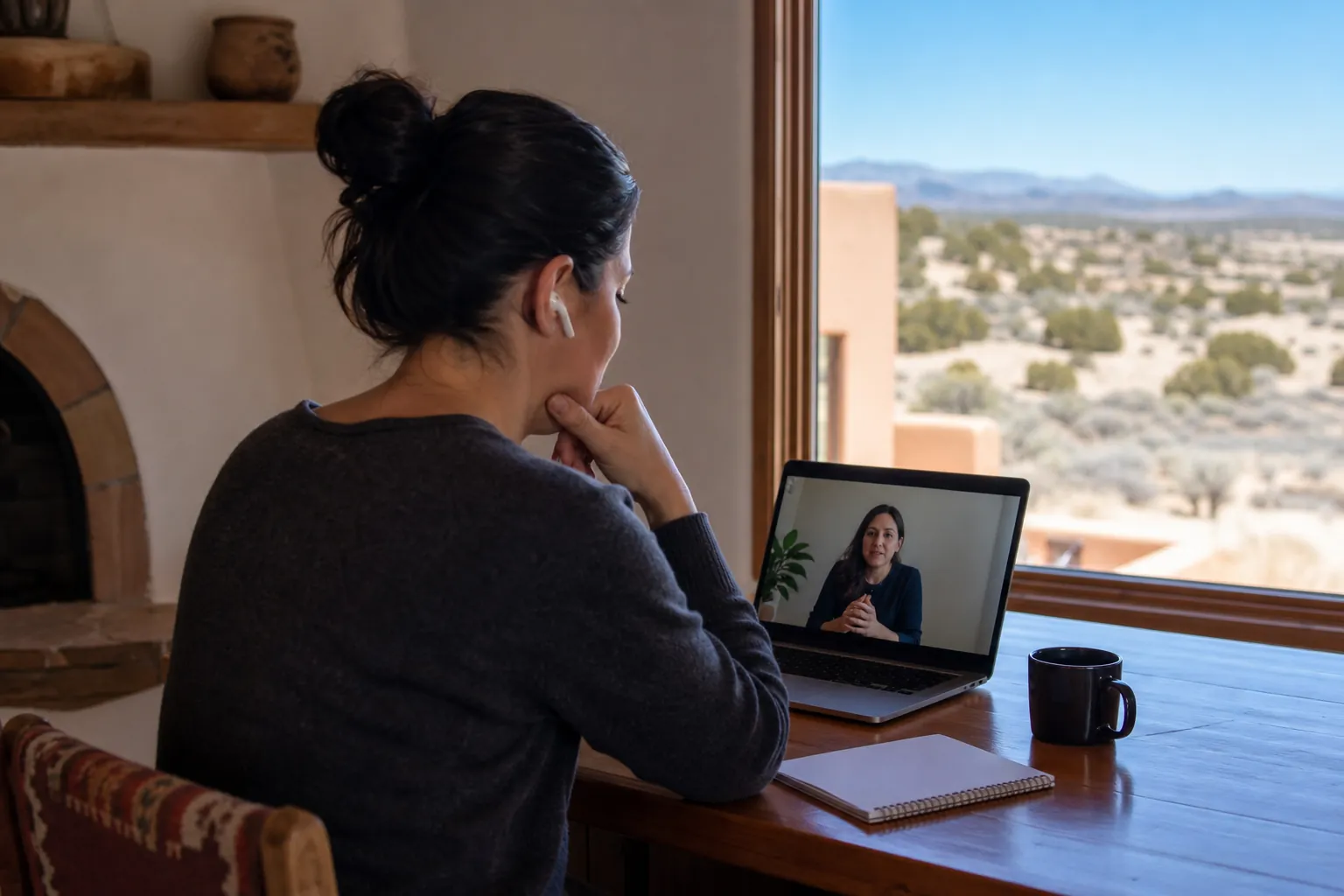
Privacy is a reasonable concern when considering virtual addiction treatment in New Mexico. Video visits, messages, shared devices, and home environments can create questions that do not arise in a private office. Before choosing any option, ask how information is handled and decide what you can control on your side of the connection. The steps below can help you evaluate privacy without assuming that every virtual program uses the same technology or procedures.
Ask Direct Questions Before Sharing Personal Information
Begin by asking the provider to explain its privacy practices in plain language. You should understand what platform will be used, what information you must submit, who can access it, and how the provider communicates between appointments. Ask whether messages, forms, or video sessions are stored and, if so, for how long. Find out whether you will receive links by text, email, or another method.
Also ask what happens if the connection drops or another person enters your space. A clear backup plan can prevent you from discussing sensitive information through a channel you did not expect to use. If group sessions are part of an option you are considering, ask what privacy expectations apply to everyone who attends.
Take notes and request clarification when an answer is vague. Do not send identification, health details, payment information, or other sensitive material until you know why it is needed and how you are expected to provide it. Privacy policies differ, so obtain answers from the specific provider rather than relying on general assumptions about virtual care.

Prepare a Private Space for Each Conversation
Your surroundings matter as much as your device. Choose a room where other people cannot easily hear you, and close the door if doing so is safe. Headphones can prevent others from hearing the provider, but they cannot stop your own voice from carrying through a wall. Test how clearly you can be heard from nearby rooms before the first conversation.
If your home is not private, consider other lawful, safe spaces available to you. A parked vehicle may offer separation, but only join while stationary in a safe location. Avoid participating while driving. Public spaces, shared workplaces, and open Wi-Fi networks can expose conversations or screens to other people.
Tell household members when you need uninterrupted time without explaining more than you want to share. Silence smart speakers, televisions, and voice assistants in the room. Check what appears behind you on camera, including mail, photographs, windows, mirrors, and identifying documents. A simple wall or a neutral area can reveal less than a digital background that may distort or fail unexpectedly.
Secure the Device and Connection You Use
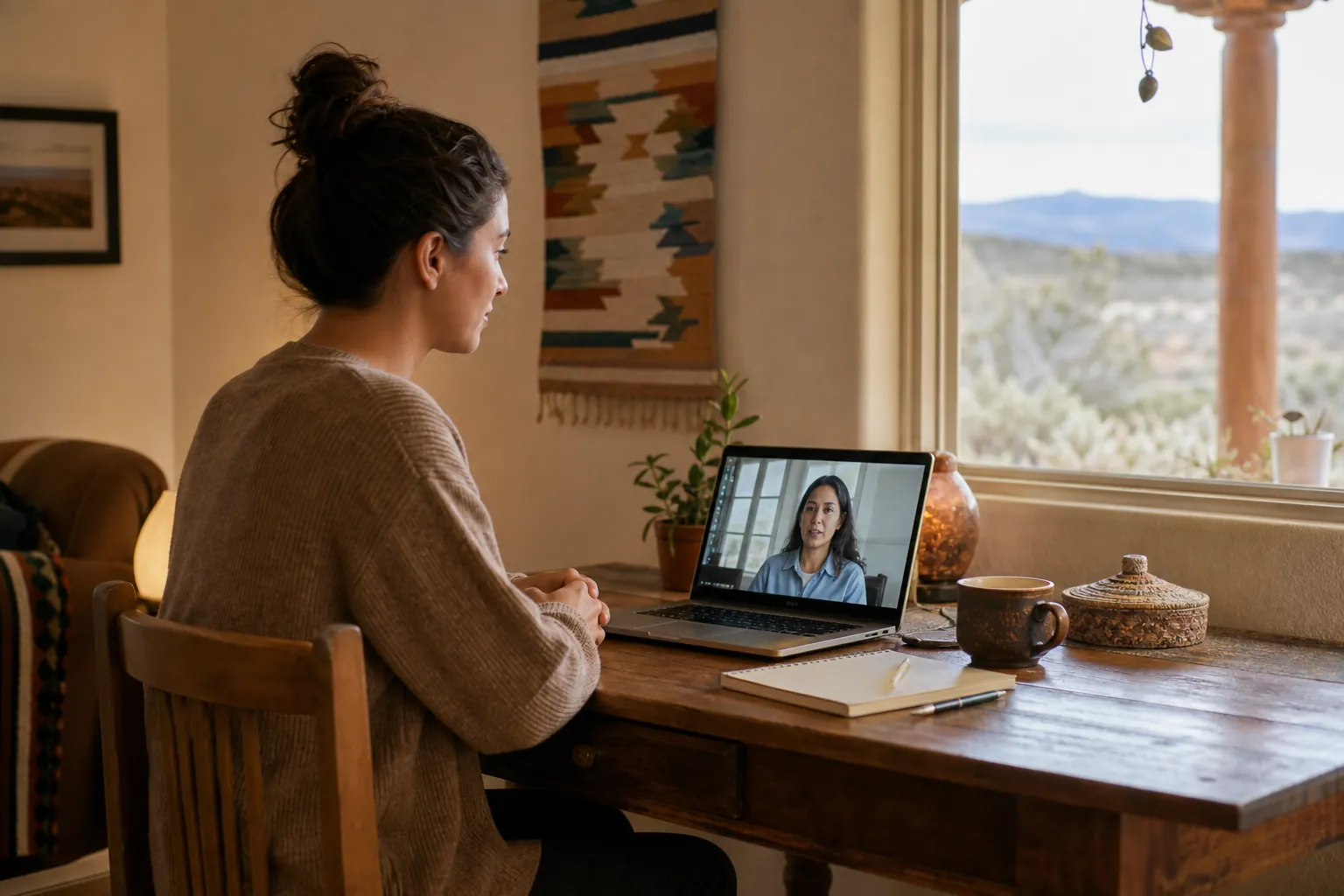
Use a device you control whenever possible. A shared family computer, employer-owned phone, or borrowed tablet may retain browser history, notifications, files, or login details. Before joining, install current operating system and application updates from official sources. Protect the device with a strong passcode that other people do not know, and enable automatic locking after a short period of inactivity.
These practical checks can reduce avoidable exposure:
- Use your private home network or a trusted cellular connection rather than public Wi-Fi.
- Confirm that the invitation came from the provider before opening a link or attachment.
- Review camera, microphone, notification, and file-access permissions.
- Turn off lock-screen previews for messages and calendar reminders.
- Sign out after each session, especially if anyone else can access the device.
- Store notes in a protected location or securely discard paper you no longer need.
Do not record a session or take screenshots unless the provider has addressed consent and privacy. If you suspect that an account or device has been accessed by someone else, change the relevant passwords from a trusted device and tell the provider before using the account again.
Control Email, Text Messages, and Scheduling Details
Privacy concerns often arise outside the video session. Appointment confirmations, voicemail messages, calendar titles, billing notices, and portal alerts can reveal that you contacted a provider. Ask exactly which communication methods will be used and what identifying details may appear. If you share a phone plan, email account, calendar, mailbox, or financial account, consider who can view notifications or records.
Create a private email address if that is appropriate for your circumstances, and secure it with a unique password. Use multifactor authentication when available. Avoid reusing a work or household password. Check whether your phone automatically backs up messages, photos, or downloaded documents to a shared cloud account.
Scheduling also affects privacy and fit. Ask how often you would need a quiet location, how long virtual commitments may last, and what happens if you cannot participate privately. When weighing different levels of support, review these questions to compare IOP and PHP schedules. The purpose is not to assume that either schedule is offered or appropriate. It is to help you identify the practical questions that should be answered before making a decision.
Make a Privacy Plan That Reflects Your Situation
A useful privacy plan is specific. Write down the device, network, room, headphones, communication method, and backup location you would use. Identify possible interruptions, including children, roommates, family members, visitors, deliveries, or unstable internet access. Decide how you will pause a sensitive discussion if privacy suddenly changes. You can agree on a neutral phrase with the provider or simply state that you need to stop.
Consider whether another person has access to your phone, email, insurance information, transportation records, or finances. Do not make account changes that could place you at risk. If privacy concerns involve monitoring, coercion, or personal safety, use a safe device and location to seek appropriate help.
Finally, review the provider's answers alongside your own limits. A virtual option may feel convenient, but convenience should not replace clear information about privacy, scheduling, communication, and expectations. If you cannot create a reliable private setting, say so before committing. Asking detailed questions is not being difficult. It is part of making an informed decision about how and where to discuss personal information.
Talk Through Your Privacy Questions
If you are considering next steps and want to discuss your concerns calmly, call Choice Recovery Path at (505) 526-3649. Before sharing sensitive details, ask what communication method will be used and how your information will be handled.
Call (505) 526-3649 to talk through next steps.