
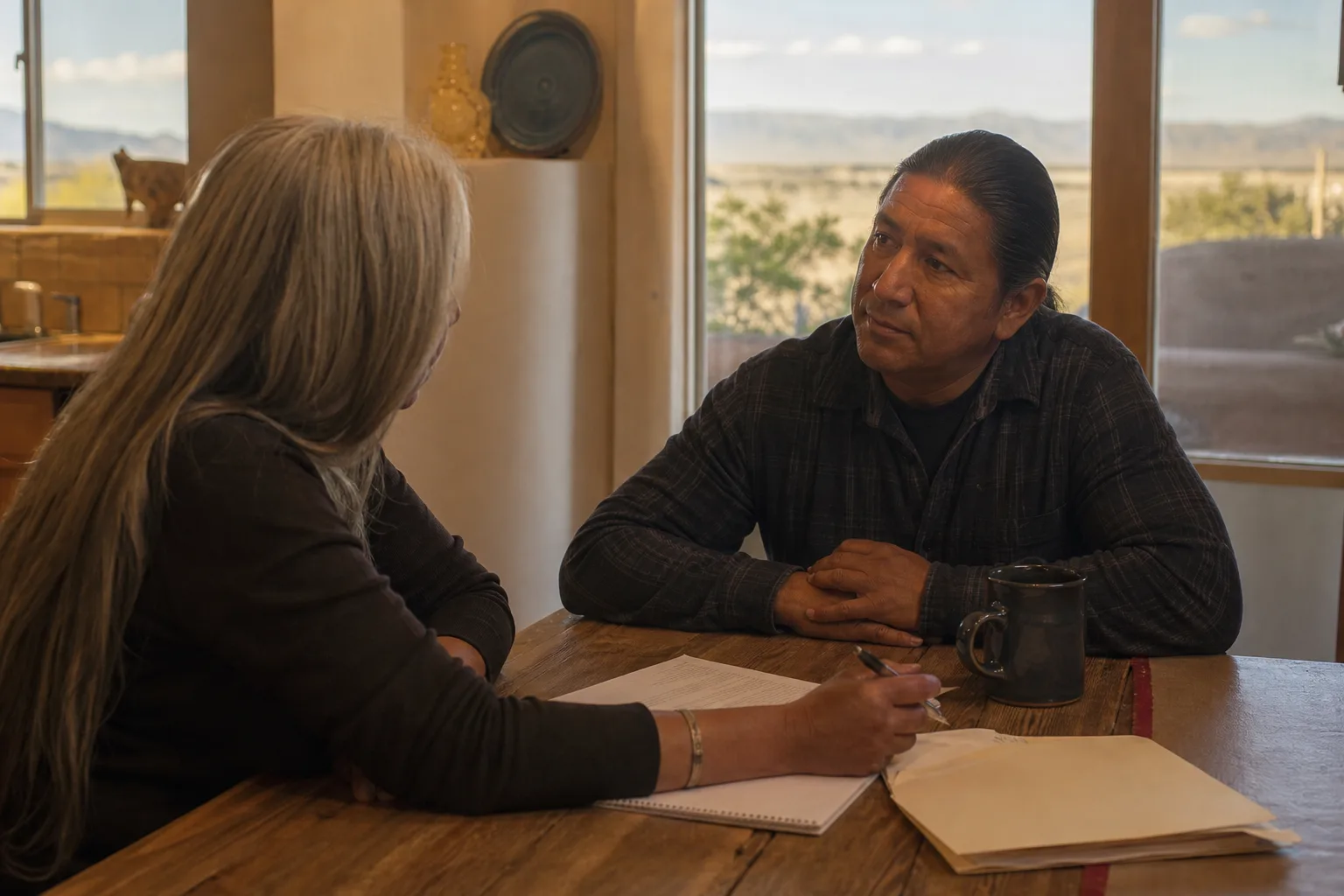
If you are wondering what to expect in IOP when relationships affect recovery, a common focus is learning how stress, conflict, and support at home can influence substance use and mental health. In addiction treatment, people may explore boundaries, communication, triggers, and the impact of family or partner dynamics on daily recovery. At Choice Recovery Path in Albuquerque, these concerns can be addressed through outpatient care that may include group support, individual therapy, early recovery skills, and care planning with the clinical team. The aim is to build a practical recovery plan that reflects real-life relationships without placing blame.
What does it mean when relationships affect recovery in IOP?
For many adults seeking addiction treatment, recovery does not happen in a vacuum. The people around you can bring comfort, pressure, conflict, or mixed messages, sometimes all in the same day. That is one reason people often ask what to expect in IOP when relationship stress is part of the picture. In an intensive outpatient program in Albuquerque, New Mexico, relationship patterns may come up as part of understanding triggers, support needs, and daily routines that affect substance use. Ask about the Choice intensive outpatient program (IOP) and outpatient addiction treatment in Albuquerque.
This does not mean the program is there to judge your family, partner, or friends. It means the treatment team may help you look at how certain interactions affect cravings, mood, and decision-making. When substance use and mental health concerns happen at the same time, close relationships can feel even more intense. In outpatient addiction treatment, the goal is usually to notice these patterns early and build practical ways to respond, one step at a time.
- Stress after arguments or ongoing tension at home
- Pressure from people who still use alcohol or drugs
- Difficulty saying no or asking for space
- Feeling responsible for other people’s emotions
- Unclear support from family members or a partner
How might IOP talk about boundaries without pushing people away?
Boundaries are often a key part of recovery, especially when relationships have been strained by substance use, secrecy, money problems, or repeated conflict. In IOP, boundaries are usually discussed as clear limits that protect your safety and recovery, not as punishments. You may talk about what contact feels helpful, what situations raise risk, and what you need in order to stay focused on treatment. This can be part of both intensive outpatient care and ongoing outpatient addiction treatment after IOP.
A boundary can be simple and respectful. It might mean not meeting a friend at a bar, leaving a family gathering early, or not discussing certain topics during heated moments. Some people also need space from relationships that feel chaotic or unsafe. If there are concerns about violence, threats, or immediate danger, call 911 right away. If you or a loved one is in emotional distress or having thoughts of self-harm, call or text 988 for immediate support.
- What contact helps me feel stable right now?
- Which places or situations make relapse risk higher?
- How will I respond if someone pressures me to use?
- What limits do I need around money, rides, or housing?
- Who can support my recovery plan without taking over?
Addiction Treatment and IOP at Choice Recovery Path
Choice Recovery Path offers addiction treatment in Albuquerque, New Mexico for adults who want structured support while living at home. Its intensive outpatient program (IOP) in Albuquerque brings weekly group and individual therapy, early recovery skills, and practical tools for change into daily life.
- What IOP looks like: regular group work and one-to-one therapy, with peer support, life skills, medical provider support and medication-assisted treatment that may be part of care.
- Who it is for: adults who need more structure than standard outpatient care, people stepping down from inpatient or residential treatment, and people starting care in the community.
- Schedule: sessions fit around work and home life. Call for the current IOP schedule, program length and openings.
Call (505) 526-3649, verify your insurance, or start admissions to ask whether IOP or outpatient addiction treatment fits your needs.
For the full overview, start with Relationship Therapy In Recovery. Related reading: Relationship Therapy In Addiction Treatment Albuquerque, Couples Issues In Outpatient Addiction Treatment.
What communication skills are often practiced when relationships feel tense?
People entering treatment are often carrying hurt, shame, fear, or anger, and those feelings can come out during conversations at home. Because of that, what to expect in IOP often includes practicing more direct and calm communication. You may be encouraged to notice when you shut down, get defensive, avoid hard topics, or say yes when you mean no. Learning to pause before reacting can reduce misunderstandings and help you stay grounded during recovery.
Communication work in IOP is usually practical. It may include naming your feelings, asking for support clearly, listening without interrupting, and speaking honestly about recovery needs. If you also live with anxiety, depression, trauma-related stress, or another mental health concern alongside substance use, communication may feel even harder during conflict. The clinical or admissions team at Choice Recovery Path can explain how these topics are addressed in Albuquerque and whether a specific service is available or whether a referral would fit your needs.
- Use short, clear statements instead of long arguments
- Ask for a break when emotions are too high
- State one need at a time
- Repeat back what you heard before responding
- Choose a calmer time to discuss sensitive topics
| Old pattern | Healthier response |
|---|---|
| Avoiding the conversation | Set a time to talk when both people are calmer |
| Blaming or accusing | Use "I" statements about feelings and needs |
| Agreeing just to end conflict | State a clear limit respectfully |
| Reacting right away | Pause, breathe, and respond after thinking it through |
How does IOP help with triggers tied to family, partners, or friends?
Relationship triggers can be powerful because they are personal. A certain tone of voice, a holiday gathering, an old argument, or a text from someone you used with can quickly change your mood or sense of control. In IOP, trigger work often starts with awareness. You may look at what happens before, during, and after a hard interaction so you can spot patterns. This can be especially important when substance use happens along with mental health symptoms such as anxiety or depression.
Once triggers are clearer, treatment may focus on planning rather than perfection. You might work on coping steps for before a family event, a short exit plan if emotions rise, or a list of people to contact after a hard conversation. In outpatient addiction treatment, the idea is to help you respond with more choice and less impulse. You can also ask the team whether family involvement, a specific therapy approach, or a referral for added mental health care would make sense for your situation.
- Notice body signals such as tension, racing thoughts, or shutdown
- Identify people, places, and topics that raise risk
- Plan a ride, exit, or check-in before stressful events
- Use recovery supports soon after a triggering interaction
- Write down what worked so you can repeat it next time
What kind of support planning may happen before, during, and after IOP?
Support planning is often where relationship concerns become more manageable. Instead of hoping loved ones will know what to do, IOP may help you make a clear plan. That can include who you will call during cravings, who can encourage treatment attendance, and who may need more distance for now. At Choice Recovery Path, people in Albuquerque may talk through these practical questions as part of intensive outpatient programming and the larger outpatient addiction treatment plan.
A support plan also helps families know how to be helpful without trying to control recovery. Loved ones may need guidance on what support looks like, what language helps, and what actions cross a line. If family members want their own education and support, resources for families can help them learn more about substance use and recovery. As treatment changes over time, the plan can change too, especially when work schedules, child care, housing, or co-occurring mental health needs affect what is realistic.
- One or two safe people to contact during high-risk moments
- A plan for transportation to treatment or support meetings
- Steps for handling conflict at home without using
- Backup supports for nights, weekends, or lonely times
- Questions to ask the team about family involvement or referrals
Ready to talk through next steps? Call Choice Recovery Path at (505) 526-3649 or explore IOP at Choice Recovery Path and Choice addiction treatment services.
Frequently Asked Questions
Will my family or partner be blamed in treatment?
Usually, the focus is not on blaming anyone. Treatment often looks at patterns, stress, and support so you can understand what helps or hurts recovery. The goal is to build safer ways to respond, not to label one person as the problem.
Do I have to involve my family in IOP?
Not always. Family involvement depends on your needs, your safety, and what services are available. You can ask the admissions or clinical team at Choice Recovery Path whether family participation is offered or whether another referral would be more appropriate.
What if a relationship is making recovery feel unsafe?
Safety comes first. If there is immediate danger, call 911. If you are in emotional crisis or worried about harming yourself, call or text 988 for immediate support, and let your treatment team know what is happening.
Can IOP help if I have mental health symptoms too?
Many people have co-occurring substance use and mental health concerns. IOP may include support for understanding how mood, anxiety, stress, or other symptoms connect with substance use and relationships. For questions about a specific therapy or service, ask the clinical team whether it is available or whether a referral fits.
How does IOP address relationship stress during recovery?
In IOP, relationship stress may be discussed as part of understanding triggers, relapse risks, and sources of support. Care can include group and individual sessions, early recovery education, and planning around boundaries and communication. If you want help with a specific relationship concern, you can ask whether it can be part of your care or whether a referral would be a good fit.
Can addiction treatment help if family or partner dynamics affect substance use?
Addiction treatment can include talking about how family, dating, or household stress affects recovery and day-to-day stability. At Choice Recovery Path, this may be part of outpatient treatment planning, along with peer support, life skills, medical provider support, medication-assisted treatment, and aftercare planning. You can call to ask about the current schedule and what services may fit your needs.
Sources
- SAMHSA: www.samhsa.gov/substance-use/treatment
- SAMHSA: www.samhsa.gov/families
- National Institute on Drug Abuse (NIH): nida.nih.gov/research-topics/comorbidity
- SAMHSA: www.samhsa.gov/mental-health/988
Call (505) 526-3649 to talk through next steps.