
Recovery Foundations
Building a Support Network
If you are unsure whom to involve in recovery, start with one dependable person. Your concern deserves a clear answer. A simple list of who can listen, help practically, or respond during difficulty can make your next decision easier.

Start with the answer
Start with a clear next step.
Your support network can include people who listen, help with clear tasks, or encourage recovery-focused choices. The Recovery Learning Center can help you frame helpful questions, while Admissions and Contact explains how to reach Choice. Begin by deciding what kind of support you need and whom you trust to provide it consistently.
A helpful network does not require many people. One person might check in regularly, another might help sort commitments, and another might offer companionship during difficult periods. Think about each person’s reliability, boundaries, and ability to support recovery without controlling your choices. SAMHSA identifies family and recovery supports as meaningful parts of broader, personal care.
Call Choice and take the next step.
The admissions team can listen, explain current outpatient options, and help you begin without requiring you to know every program detail first.
Choose either office
Reach Choice in Albuquerque or Las Cruces with exact phone and address details.
Keep exploringMedicaid and transportation
Staff verify coverage and eligibility and coordinate transportation available for your situation.
Keep exploring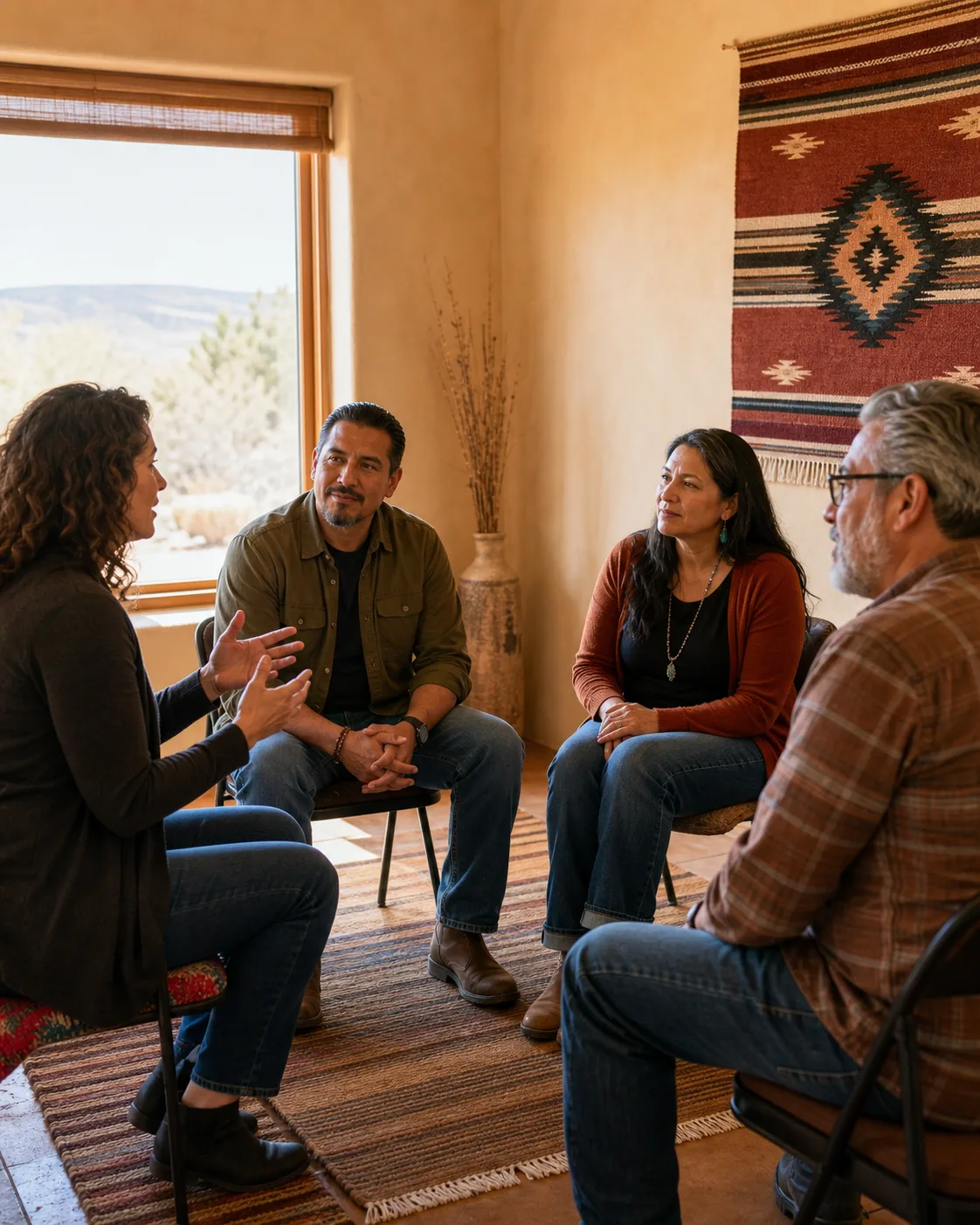
Care that connects
Your next step can connect with the whole outpatient program.
Call Choice to discuss your needs, Medicaid verification, and how therapy, peer support, recovery skills, medical support, and available transportation may fit together. Explore the whole-person outpatient program and start admissions when you are ready.
Start admissionsMake it practical
Here is how to begin.
A clearer talk starts with your urgent concern, the support already available, and the gap you want help addressing. Review the Intensive Outpatient Program (IOP) details without guessing personal fit, then use the treatment guides to call Choice now; staff will guide the conversation and explain the next step. Treatment planning should reflect your needs rather than a supporter’s preferences alone.
You might say, “I have one supportive relative, but I need help discussing boundaries,” or “My friend can attend a first talk if that is right.” These statements find existing support and a specific question. They avoid asking a loved one to diagnose, supervise withdrawal, or make treatment choices that require qualified clinical talk.

A practical path forward
Start with support for the life you are living now.
Staff can explain the outpatient path, verify Medicaid coverage and eligibility, and coordinate available transportation after checking your situation. Explore the whole-person outpatient program and start admissions when you are ready.
Start admissionsKnow what to confirm
Call Choice and get clear answers.
Confirm whether your needs, preferred supporter involvement, and clear needs can be discussed within care options available now. Use Admissions and Contact to call Choice now; staff will guide the conversation and explain the next step. Choice serves coed adults age 18 and older at its Albuquerque site, but a direct talk is needed to discuss fit and openings. complete Choice outpatient program can help you take the next step.
The team can help you learn what care may fit and how it could work with daily life. An answer to one question does not settle the others. You can also Call Choice to learn whether a supporter may join a talk, what consent would be needed, and how family or recovery-support concerns may be used into personal planning.



choose the next step
One practical next step, explained in plain language.
Choose one trusted person and ask for one specific form of support this week. The treatment guides can help you find talk topics, and the Recovery Resource Center can support question preparation. Keep the request concrete: a ten-minute check-in, support during the call, or quiet company while you call Choice during office hours.
Try this sentence: “I am thinking about asking about treatment, and I would value your help writing three questions.” A limited request is easier to learn and answer than a broad demand for constant support. If the person declines, that does not invalidate your need. Think about another trusted person or Call Choice to learn what support-related questions belong in an initial talk.
Information you can trust
Use this guide with clear, reviewed information.
Choice shares program and care information alongside trusted public-health sources. Clinical staff review treatment guidance, and the team is ready to help you begin.
Choice Recovery Path Choice outpatient services and visit information
Program, site, hours, and contact details provided by Choice.
Clear answers
Clear answers about building a support network
Read the main guide above and visit the Choice admissions page when you are ready. These answers cover common concerns. Call Choice to begin and learn what is available now.
01What does building a support network mean in recovery?
It means identifying people and recovery supports that can help in clearly defined ways. One person may listen, another may help you sort commitments, and another may encourage healthy choices. A network should respect your autonomy and boundaries. Its size matters less than whether support is dependable, right, and understood by everyone involved.
02Can my supporter contact Choice with me?
You may ask Choice whether a supporter can participate in an initial talk and what consent or privacy limits apply. Choice serves coed adults age 18 and older through its Albuquerque and Las Cruces outpatient offices. Start with the concern that feels most important to you, and let the team guide the talk from there.
03Can a support network replace professional treatment or emergency care?
No. Choice offers outpatient support for adults in Albuquerque and Las Cruces. For urgent or emergency needs, call 911 or use the right crisis or health resource.
04What should I confirm before asking someone to support me?
Confirm what you are requesting, how often you need it, and whether the person is willing. Discuss boundaries, privacy, and what they should do if they become concerned. Tell the team what support you are looking for and what would make care workable for you.
05What is the easiest first step?
Write one sentence naming your concern and one sentence naming the help you want. Then ask one trusted person for a brief talk. If treatment details is your next need, call Choice at (505) 526-3649 during weekday office hours and learn how support involvement can be discussed.

Start now
Call Choice Recovery Path and begin admissions.
Staff can check your needs and Medicaid coverage, explain the outpatient program, and coordinate transportation available for your situation. Use the online admissions form or call the Choice location nearest you.