
Talking About Chronic Pain And Substance Use In NM

Chronic pain and substance use counseling can help a person discuss pain, substance use, and recovery goals as connected concerns. A counselor can work with the person to understand triggers, identify coping strategies, and coordinate with appropriate medical providers, while the care team helps determine whether outpatient treatment or IOP fits their needs.
How can chronic pain and substance use counseling work together?
Chronic pain and substance use counseling can address how pain, mood, daily routines, and substance use affect one another. Counseling does not replace medical pain care, but it can help a person discuss concerns, build coping skills, and coordinate recovery goals with appropriate providers.
Pain that lasts over time can affect sleep, movement, relationships, work, and emotional well-being. Substance use may also affect those parts of life, so discussing both concerns can give a counselor a fuller picture of what support could be useful.
The conversation can include a person's own priorities, such as staying engaged in recovery while seeking help for pain. The counselor and client can identify situations that raise stress or cravings, then consider practical responses that do not depend on substance use.
Pain is personal, and two people with similar diagnoses may describe very different experiences. Counseling should make room for the person's account without assuming that pain is exaggerated, caused by substance use, or resolved by stopping a substance.
Care may involve communication with a medical provider when the person agrees and when coordination is appropriate. A counselor can help the person prepare questions and describe concerns, while decisions about diagnosing pain or changing medication belong with qualified medical professionals.

What should you share about pain during counseling?
Share what pain feels like, how it affects daily life, and what concerns you have about substance use or recovery. Clear, specific information helps a counselor understand your goals and discuss next steps, although you can raise sensitive details at a pace that feels manageable.
You do not need to arrive with a perfect explanation or a complete medical history. It can help to describe when pain tends to appear, what activities it affects, and whether changes in pain influence sleep, mood, or urges to use substances.
Be open about substances you use or have used, including prescribed medication, if you feel ready to discuss that information. The purpose is to understand the situation and support safer planning, not to shame you or reduce your experience to a label.
If you are worried that a counselor will dismiss your pain, say so directly. You might explain what you fear will happen if you share more, or ask how the counselor handles pain-related concerns while supporting recovery.
Some people find it useful to write a few notes before a session, especially if pain or stress makes it harder to remember details. You can choose what to share first and ask to pause, clarify a question, or return to a topic later.
- What pain-related situations tend to increase stress, isolation, or urges to use substances?
- How has pain affected sleep, daily responsibilities, relationships, or participation in recovery?
- What would help you feel heard when discussing pain and substance use together?
- What concerns do you want to raise with a medical provider about pain care or medication?
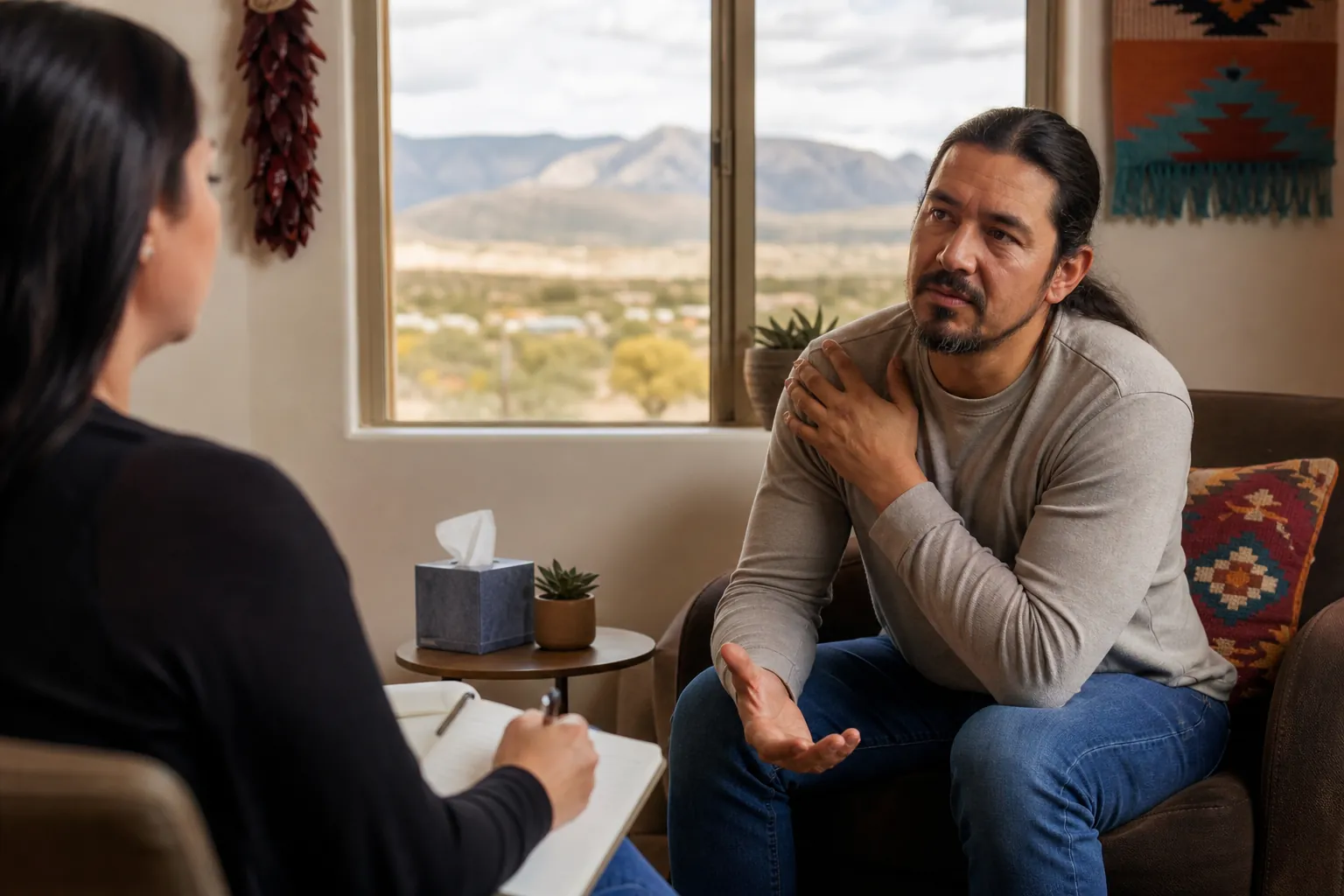
How can counseling address substance use without dismissing pain?
Counseling can take pain seriously while also exploring how substance use affects safety, relationships, and recovery. A balanced approach listens to the person's experience, avoids blame, and focuses on coping strategies and goals that can be discussed with the broader care team.
A person should not have to prove that pain is real before talking about it in counseling. The counselor can ask how pain affects the person's choices and routines, while recognizing that a medical professional may need to assess symptoms or treatment options.
Substance use can sometimes become part of how a person tries to manage distress, sleep disruption, or difficult emotions. Exploring that pattern can help identify moments when additional support may be useful, without treating the pain itself as unimportant or imaginary.
Counseling may include skills for handling stress, communicating needs, managing difficult feelings, and planning for situations that bring up cravings. These strategies should be discussed collaboratively and adjusted to the person's circumstances, with pain care addressed by qualified medical professionals.
If medication is part of a person's care, they can ask their prescriber or other qualified medical professional about benefits, risks, and concerns. A counseling conversation should not direct someone to stop, start, or change a medication without medical guidance.
What treatment options may support pain and recovery?
Outpatient treatment and intensive outpatient treatment offer different levels of structure, and a care team can discuss which setting may fit a person's needs. The right level depends on an individual assessment, current concerns, and the support needed; counseling is not a substitute for medical pain care.
Outpatient care generally allows a person to continue living at home while attending treatment, with the details depending on the program. An intensive outpatient program, or IOP, offers a more structured outpatient level of care. Ask admissions what each program includes and how care planning can address pain-related concerns.
Choice Recovery Path offers outpatient addiction care and IOP in Albuquerque and Las Cruces. The available services are outpatient treatment and IOP, so do not assume that detox, residential treatment, or partial hospitalization is provided onsite.
Some people may need an assessment or referral to a different level of care before outpatient services are appropriate. That decision should be made with qualified professionals who can consider safety, substance use, health needs, and available support.
A person can ask how the team communicates with outside medical providers, what happens if pain changes, and how treatment goals are reviewed. Admissions can explain program details that are not listed here, including schedules and what participation involves.
| Care setting | General structure | What to clarify |
|---|---|---|
| Outpatient treatment | Care while living at home | Services and level of support |
| Intensive outpatient program | More structured outpatient care | Program expectations and fit |
| Higher level of care | May involve more intensive support | Assessment and referral options |
How do you prepare for a counseling conversation about pain?
Prepare by identifying what you most want help with, noting how pain and substance use affect your life, and listing questions for the counselor. Preparation can make a session feel more focused, but you do not need to organize every detail before asking for support.
A short note on your phone or paper can help you remember important topics when a session feels emotional or tiring. You might note what has changed recently, what feels hardest, and what you hope will be different with support.
You can also think about what makes a conversation feel safe and respectful. For example, you may want a counselor to explain why they ask certain questions, check whether you are ready to discuss a sensitive topic, or help you plan what to bring to a medical appointment.
It is fine to start with one concern rather than trying to cover everything. A focused opening, such as describing how pain affects sleep or recovery routines, can create a starting point for a broader discussion over time.
For more ideas about preparing for sessions, see questions to ask in counseling. If you want to understand how individual support may fit alongside other care, read about one-on-one addiction counseling.
- Choose one or two concerns you most want to address during the next counseling conversation.
- Write down recent changes in pain, sleep, mood, substance use, or daily functioning that seem important.
- Bring a list of medications or medical questions only if you are comfortable sharing them with the care team.
- Ask how the counselor can coordinate with a medical provider if you want that support.
What if pain, cravings, or recovery needs change?
Tell the counseling team when pain, cravings, or recovery needs change, because those changes may affect the support that is useful. A counselor can help review goals and discuss next steps, while new or worsening medical concerns should also be raised with an appropriate medical professional.
Changes can include more frequent pain, new effects on sleep or movement, increased stress, or a stronger urge to use substances. Sharing a change early may help the care team understand whether current goals and supports still make sense.
A change does not automatically mean that someone has failed or that treatment cannot help. It is information to discuss, including what was happening around the change and what support the person has already tried.
If the person's needs seem more complex than the current program can address, the team can discuss assessment or referral options. Choice Recovery Path offers outpatient care and IOP, but any need for a different level of care should be evaluated rather than assumed.
Do not change prescribed medication or attempt to manage withdrawal on your own based on counseling alone. Withdrawal from opioids can be dangerous, and withdrawal from alcohol or benzodiazepines can also be dangerous; seek medical supervision for withdrawal concerns.
How can support people be included in pain and recovery counseling?
A support person may help with communication, encouragement, or practical recovery goals if the person receiving care wants them involved. The client and counselor can discuss whether participation is appropriate, what information may be shared, and how to protect the client's privacy and independence.
Support can come from family, friends, peers, or other trusted people. Their role may be listening, helping the person prepare questions, or understanding how to offer support without making assumptions about pain or recovery.
Before inviting someone into a session or sharing treatment information, discuss consent and privacy with the care team. The person receiving care should be able to decide what is shared and to change those boundaries as needs evolve.
A support person may have questions or strong feelings of their own. Separate support or education may help them listen without taking over decisions, minimizing pain, or pressuring the person to follow a plan that has not been discussed with clinicians.
If group counseling is part of a person's care, they can ask how to talk about pain and recovery in a way that feels appropriate. The guide to sharing in addiction group therapy offers another perspective on communicating in a group setting.
Questions about next steps? Call Choice Recovery Path at (505) 526-3649 or review the Choice intensive outpatient program.
Frequently Asked Questions
Can counseling diagnose the cause of chronic pain?
Counseling can help a person describe pain, notice how it affects daily life, and prepare questions for a medical appointment, but it does not replace medical evaluation. A qualified medical professional can assess symptoms and discuss diagnosis or treatment. The counselor and client can consider how emotional stress, substance use, and recovery goals fit into the person's broader support plan.
Should I tell a counselor about prescribed pain medication?
If you feel able, telling the counselor about prescribed medication can help the team understand your concerns and coordinate support appropriately. You can ask how the information will be used and who may see it. Do not stop or change a medication because of a counseling conversation; discuss medication decisions with the prescriber or another qualified medical professional.
Can I attend counseling if I am still experiencing pain?
Pain does not by itself mean that a person cannot discuss recovery or ask about treatment. Share how pain affects participation and what support you may need, then ask admissions or the clinical team about program expectations. Medical questions about pain should also be discussed with an appropriate health professional.
What if I am not ready to discuss every detail?
You can tell the counselor that a topic feels difficult and ask to begin with a smaller part of it. You may also ask why a question matters, request time to think, or agree on what feels manageable to discuss in that session. Building trust can take time, and you can raise boundaries as treatment continues.
Can counseling help me talk with my family about pain and substance use?
A counselor may help you plan how to explain your needs, set boundaries, and ask for specific support. You can decide whether family members join a session or receive information, subject to privacy and consent. If you want family involvement, ask the care team what options are available and how participation would work.
Sources
- Substance Use Treatment, SAMHSA
- Treatment Approaches for Drug Addiction, National Institute on Drug Abuse (NIH)
- Psychotherapies, National Institute of Mental Health (NIH)
Call (505) 526-3649 to talk through next steps.